language
Types and Differences of Ceramic Crucibles: Finding the Right Labware for You
2024-05-26
**Title: Exploring the Types and Differences of Straight Crucible: Choosing the Right Artifact for Your Lab** In the laboratory, ceramic crucibles are indispensable tools. Among the many ceramic crucibles, the straight crucible is a popular choice. Today, let's explore the types and differences of straight crucibles to find the perfect artifact for your lab. ### The Charm of Straight Crucibles Straight crucibles, as the name suggests, are crucibles with a straight, upright shape and a relatively small diameter. Their design allows for complete fuel combustion, facilitating heat transfer and reaction control during experiments. In the laboratory, straight crucibles are often used for high-temperature experiments such as melting and sublimation. ### Classification of Straight Crucibles In the world of straight crucibles, we see various options. First, there's the difference in material: straight crucibles can be divided into quartz straight crucibles, ceramic straight crucibles, and metal straight crucibles. Each material has its unique characteristics and applications. Second, there's the difference in size. According to experimental needs, we can choose straight crucibles of different diameters and depths. Large-diameter crucibles are suitable for experiments with large sample sizes, while small-diameter crucibles are better suited for micro-experiments. ### How to Choose the Right Straight Crucible for You When choosing a straight crucible, you need to consider
**Title: Exploring the Types and Differences of Straight Crucible: Selecting the Perfect Artifact for the Laboratory**
In the laboratory, ceramic crucibles are one of the indispensable vessels. Among the numerous ceramic crucibles, the straight crucible is a favored choice. Today, let's explore the types and differences of straight crucibles to find the perfect artifact for your laboratory.
### The Charm of Straight Crucibles
As the name suggests, a straight crucible is a crucible with an upright shape and a relatively small diameter. Its design allows for complete fuel combustion, facilitating heat transfer and reaction control during the experiment. In the laboratory, straight crucibles are often used for high-temperature experiments, such as melting and sublimation processes.
### Classification of Straight Crucibles
In the world of straight crucibles, we can see different choices. First, there is the difference in material; straight crucibles can be divided into quartz straight crucibles, ceramic straight crucibles, and metal straight crucibles. Each material has its unique characteristics and applicable scope.
Secondly, there is the size difference of straight crucibles. According to experimental needs, we can choose straight crucibles with different diameters and depths. Large-diameter crucibles are suitable for experiments with large samples, while small-diameter crucibles are more suitable for micro-experiments.
### How to Choose the Right Straight Crucible for You
When choosing a straight crucible, it is necessary to consider the specific needs and conditions of the experiment. First, the required material should be determined according to the experimental temperature, choosing a high-temperature resistant quartz crucible or ceramic crucible. Second, choose a crucible of the appropriate size according to the size and quantity of the experimental sample. Finally, remember to check the quality and processing technology of the crucible to ensure the accuracy and stability of the experiment.
### Conclusion
In the laboratory, selecting the appropriate vessels is crucial for experimental results. Straight crucibles, as commonly used experimental instruments, have unique advantages and characteristics. By understanding the different types of straight crucibles, we can better choose crucibles that meet our experimental needs, improving experimental efficiency and accuracy.
In the laboratory, ceramic crucibles are one of the indispensable vessels. Among the numerous ceramic crucibles, the straight crucible is a favored choice. Today, let's explore the types and differences of straight crucibles to find the perfect artifact for your laboratory.
### The Charm of Straight Crucibles
As the name suggests, a straight crucible is a crucible with an upright shape and a relatively small diameter. Its design allows for complete fuel combustion, facilitating heat transfer and reaction control during the experiment. In the laboratory, straight crucibles are often used for high-temperature experiments, such as melting and sublimation processes.
### Classification of Straight Crucibles
In the world of straight crucibles, we can see different choices. First, there is the difference in material; straight crucibles can be divided into quartz straight crucibles, ceramic straight crucibles, and metal straight crucibles. Each material has its unique characteristics and applicable scope.
Secondly, there is the size difference of straight crucibles. According to experimental needs, we can choose straight crucibles with different diameters and depths. Large-diameter crucibles are suitable for experiments with large samples, while small-diameter crucibles are more suitable for micro-experiments.
### How to Choose the Right Straight Crucible for You
When choosing a straight crucible, it is necessary to consider the specific needs and conditions of the experiment. First, the required material should be determined according to the experimental temperature, choosing a high-temperature resistant quartz crucible or ceramic crucible. Second, choose a crucible of the appropriate size according to the size and quantity of the experimental sample. Finally, remember to check the quality and processing technology of the crucible to ensure the accuracy and stability of the experiment.
### Conclusion
In the laboratory, selecting the appropriate vessels is crucial for experimental results. Straight crucibles, as commonly used experimental instruments, have unique advantages and characteristics. By understanding the different types of straight crucibles, we can better choose crucibles that meet our experimental needs, improving experimental efficiency and accuracy.
Recommended news
2026-05-23
2026-04-08
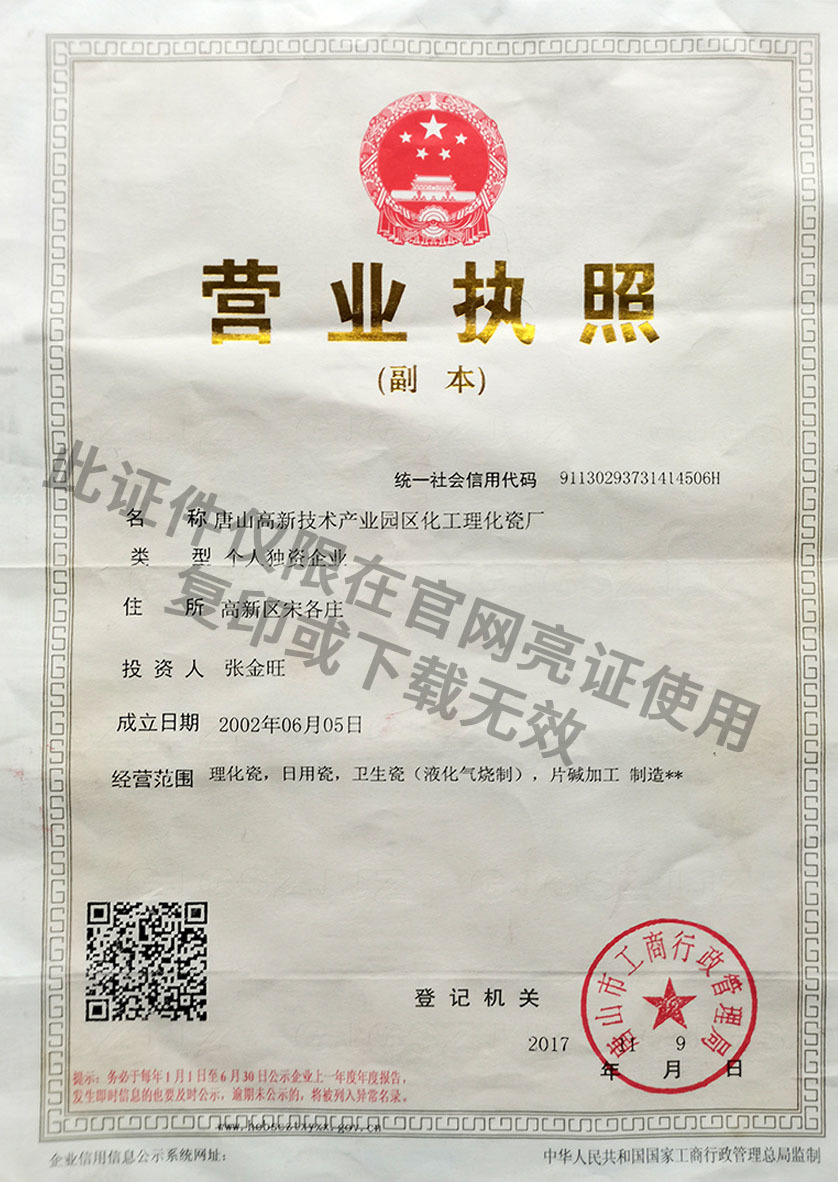
Tangshan High-tech Industrial Park Chemical Physical and Chemical Porcelain Factory
Tangshan Physical and Chemical Ceramics Co., Ltd.
Address: Songgezhuang Chemical and Physical Porcelain Factory, Tangshan High-tech Industrial Development Zone
Telephone: +86-315-5509570 、 +86-315-5509222
Mobile: +86-13903372399 、+86-13832559317
Email: tshglhcc@163.com


Product Center
Follow Us

Online Consultation
If you have any needs, please leave a message, and we will contact you as soon as possible.