language
Selection and Use of High-Temperature Crucibles: What Factors to Consider?
2024-05-16
Selection and Use of High-Temperature Crucibles: What Factors to Consider? In laboratory and industrial settings, high-temperature crucibles, especially straight crucibles, are indispensable tools. Selecting the right high-temperature crucible is crucial for experimental results and production efficiency. However, considering various factors can be confusing. So, how should these crucibles be selected and used correctly? First, we need to consider the material. Straight crucibles are usually made of quartz, ceramic, or metal. Quartz crucibles have excellent high-temperature resistance but are susceptible to thermal shock; ceramic crucibles are moderately priced but require careful selection of appropriate glaze treatment; metal crucibles are durable but unsuitable for some specific experiments. Second, size is also key to selection. The size of the crucible must meet the experimental requirements; too small will easily cause material overflow, while too large may waste materials. At the same time, the shape of the crucible will also affect the heating uniformity and the contact area between the material and the crucible. In addition, considering the experimental conditions and the use environment, it is also important to choose a high-temperature crucible with corrosion resistance. Some chemicals will corrode the crucible, so it is necessary to choose the corresponding corrosion-resistant material. Finally, correct use and maintenance are equally important. Before use, ensure that the crucible is clean to avoid residues affecting the experimental results. When heating, avoid sudden high temperatures or
Selection and Use of High-Temperature Crucibles: What Factors to Consider?
High-temperature crucibles, especially straight crucibles, are essential tools in laboratory and industrial settings. Choosing the right high-temperature crucible is crucial for experimental results and production efficiency. However, considering various factors can be confusing. So, how should these crucibles be selected and used correctly?
First, we need to consider the material. Straight crucibles are usually made of quartz, ceramic, or metal. Quartz crucibles have excellent high-temperature resistance but are susceptible to thermal shock; ceramic crucibles are moderately priced but require attention to appropriate glaze treatment; metal crucibles are durable but unsuitable for some specific experiments.
Second, size is also key to the selection. The size of the crucible must meet the experimental requirements; too small will easily cause material overflow, while too large may waste materials. At the same time, the shape of the crucible will also affect the heating uniformity and the contact area between the material and the crucible.
In addition, considering the experimental conditions and the use environment, it is also important to choose a high-temperature crucible with corrosion resistance. Some chemicals will corrode the crucible, so it is necessary to choose the corresponding corrosion-resistant material.
Finally, correct use and maintenance are equally important. Before use, ensure that the crucible is clean to avoid residues affecting the experimental results. When heating, avoid sudden high temperatures or rapid cooling to prevent thermal shock from causing the crucible to crack.
Choosing the right straight crucible and using it correctly will help improve experimental efficiency and ensure the accuracy of experimental results. Remember that when considering high-temperature crucibles, considering material, size, corrosion resistance, and usage methods is crucial.
High-temperature crucibles, especially straight crucibles, are essential tools in laboratory and industrial settings. Choosing the right high-temperature crucible is crucial for experimental results and production efficiency. However, considering various factors can be confusing. So, how should these crucibles be selected and used correctly?
First, we need to consider the material. Straight crucibles are usually made of quartz, ceramic, or metal. Quartz crucibles have excellent high-temperature resistance but are susceptible to thermal shock; ceramic crucibles are moderately priced but require attention to appropriate glaze treatment; metal crucibles are durable but unsuitable for some specific experiments.
Second, size is also key to the selection. The size of the crucible must meet the experimental requirements; too small will easily cause material overflow, while too large may waste materials. At the same time, the shape of the crucible will also affect the heating uniformity and the contact area between the material and the crucible.
In addition, considering the experimental conditions and the use environment, it is also important to choose a high-temperature crucible with corrosion resistance. Some chemicals will corrode the crucible, so it is necessary to choose the corresponding corrosion-resistant material.
Finally, correct use and maintenance are equally important. Before use, ensure that the crucible is clean to avoid residues affecting the experimental results. When heating, avoid sudden high temperatures or rapid cooling to prevent thermal shock from causing the crucible to crack.
Choosing the right straight crucible and using it correctly will help improve experimental efficiency and ensure the accuracy of experimental results. Remember that when considering high-temperature crucibles, considering material, size, corrosion resistance, and usage methods is crucial.
Recommended news
2026-05-23
2026-04-08
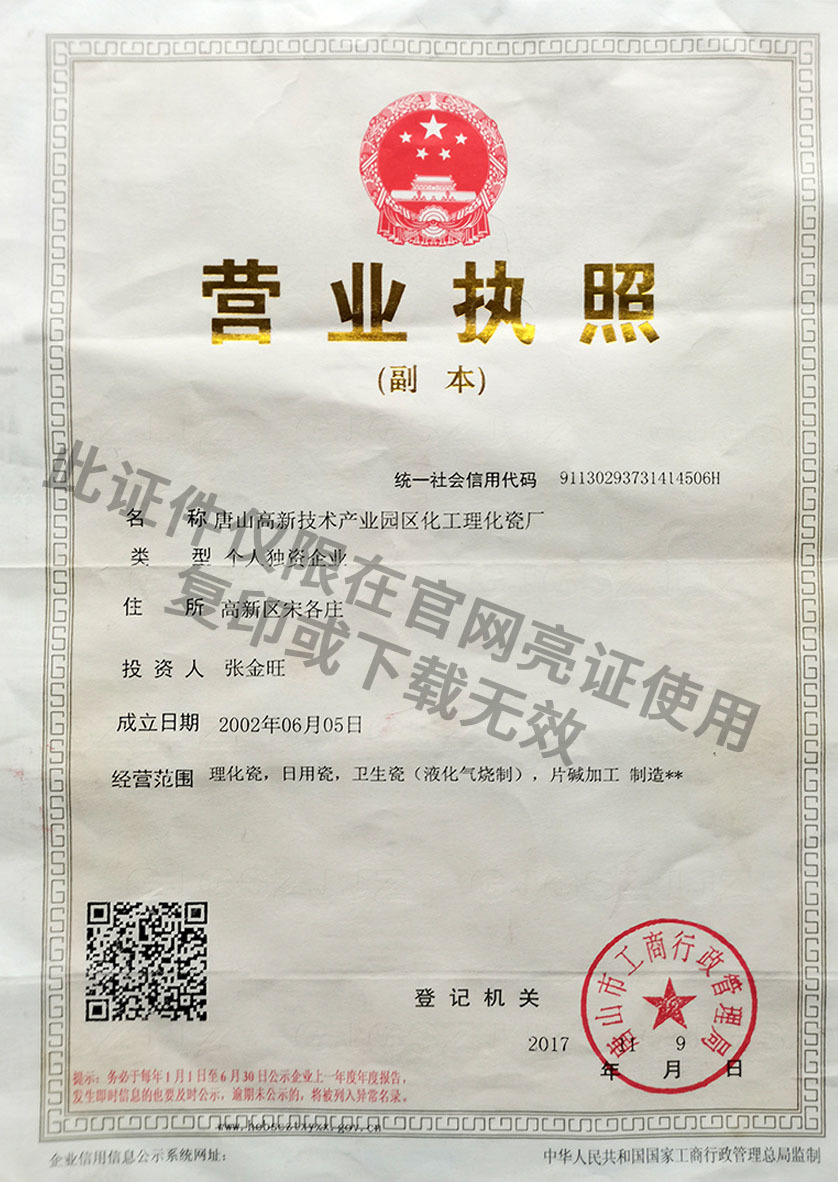
Tangshan High-tech Industrial Park Chemical Physical and Chemical Porcelain Factory
Tangshan Physical and Chemical Ceramics Co., Ltd.
Address: Songgezhuang Chemical and Physical Porcelain Factory, Tangshan High-tech Industrial Development Zone
Telephone: +86-315-5509570 、 +86-315-5509222
Mobile: +86-13903372399 、+86-13832559317
Email: tshglhcc@163.com


Product Center
Follow Us

Online Consultation
If you have any needs, please leave a message, and we will contact you as soon as possible.