language
Characteristics and wide applications of corundum tubes
2024-06-05
This article will explore the properties and wide applications of a crucial material in high-temperature ceramics—the alumina tube. As a high-temperature ceramic material, the alumina tube possesses unique advantages and is widely used in various fields. Let's delve into the properties and functions of alumina tubes! Alumina tubes, as a type of high-temperature ceramic material, exhibit excellent heat resistance and chemical stability. Its main component is aluminum oxide, with a dense crystal structure, high hardness, wear resistance, strong corrosion resistance, and a low coefficient of thermal expansion. These characteristics allow alumina tubes to perform exceptionally well under high-temperature and corrosive environments. These properties have led to the widespread application of alumina tubes in numerous industrial fields. First, alumina tubes are widely used in the petrochemical industry. In oil refining and chemical production processes, equipment and pipelines that need to withstand high temperatures and corrosion utilize alumina tubes, which play a crucial role. Their high-temperature and wear-resistant properties allow alumina tubes to withstand extreme working conditions, ensuring the stable operation of production equipment. Second, alumina tubes also have important applications in the metallurgical industry. In the smelting process, high-temperature and corrosive conditions pose challenges to equipment, and the excellent properties of alumina tubes make them the material of choice. They can not only withstand high-temperature and high-pressure environments but also effectively resist molten metal.
This article will explore the properties and wide-ranging applications of an important material in high-temperature ceramics—the alumina tube. As a high-temperature ceramic material, the alumina tube possesses unique advantages and is widely used in multiple fields. Let's delve into the properties and functions of alumina tubes!
Alumina tubes, as a type of high-temperature ceramic material, exhibit excellent heat resistance and chemical stability. Their main component is aluminum oxide, with a dense crystalline structure, high hardness, wear resistance, strong corrosion resistance, and a low coefficient of thermal expansion. These characteristics allow alumina tubes to perform exceptionally well in high-temperature and corrosive environments. These properties lead to their widespread use in numerous industrial sectors.
Firstly, alumina tubes are widely used in the petrochemical industry. In oil refining and chemical production processes, equipment and pipelines need to withstand high temperatures and corrosion; alumina tubes play a crucial role. Their high-temperature and wear-resistant properties allow alumina tubes to withstand extreme working conditions, ensuring the stable operation of production equipment.
Secondly, alumina tubes also have important applications in the metallurgical industry. In the smelting process, high-temperature and corrosive conditions challenge equipment, but the excellent properties of alumina tubes make them the material of choice. They can not only withstand high-temperature and high-pressure environments but also effectively resist the erosion of molten metals, ensuring safe and stable production.
Furthermore, alumina tubes are widely used in the power industry. In power transmission and power generation processes, equipment needs to have heat resistance and corrosion resistance to ensure the normal operation of the power system. The high-temperature resistance and chemical stability of alumina tubes make them ideal materials for power equipment, providing reliable support for the power industry.
In summary, alumina tubes, as a high-temperature ceramic material, possess unique properties and a wide range of applications. They play an important role in the petrochemical, metallurgical, and power industries, providing strong support for the development of various sectors. In future development, alumina tubes will continue to play an important role, driving various industries towards higher efficiency and stability.
Alumina tubes, as a type of high-temperature ceramic material, exhibit excellent heat resistance and chemical stability. Their main component is aluminum oxide, with a dense crystalline structure, high hardness, wear resistance, strong corrosion resistance, and a low coefficient of thermal expansion. These characteristics allow alumina tubes to perform exceptionally well in high-temperature and corrosive environments. These properties lead to their widespread use in numerous industrial sectors.
Firstly, alumina tubes are widely used in the petrochemical industry. In oil refining and chemical production processes, equipment and pipelines need to withstand high temperatures and corrosion; alumina tubes play a crucial role. Their high-temperature and wear-resistant properties allow alumina tubes to withstand extreme working conditions, ensuring the stable operation of production equipment.
Secondly, alumina tubes also have important applications in the metallurgical industry. In the smelting process, high-temperature and corrosive conditions challenge equipment, but the excellent properties of alumina tubes make them the material of choice. They can not only withstand high-temperature and high-pressure environments but also effectively resist the erosion of molten metals, ensuring safe and stable production.
Furthermore, alumina tubes are widely used in the power industry. In power transmission and power generation processes, equipment needs to have heat resistance and corrosion resistance to ensure the normal operation of the power system. The high-temperature resistance and chemical stability of alumina tubes make them ideal materials for power equipment, providing reliable support for the power industry.
In summary, alumina tubes, as a high-temperature ceramic material, possess unique properties and a wide range of applications. They play an important role in the petrochemical, metallurgical, and power industries, providing strong support for the development of various sectors. In future development, alumina tubes will continue to play an important role, driving various industries towards higher efficiency and stability.
Recommended news
2026-05-23
2026-04-08
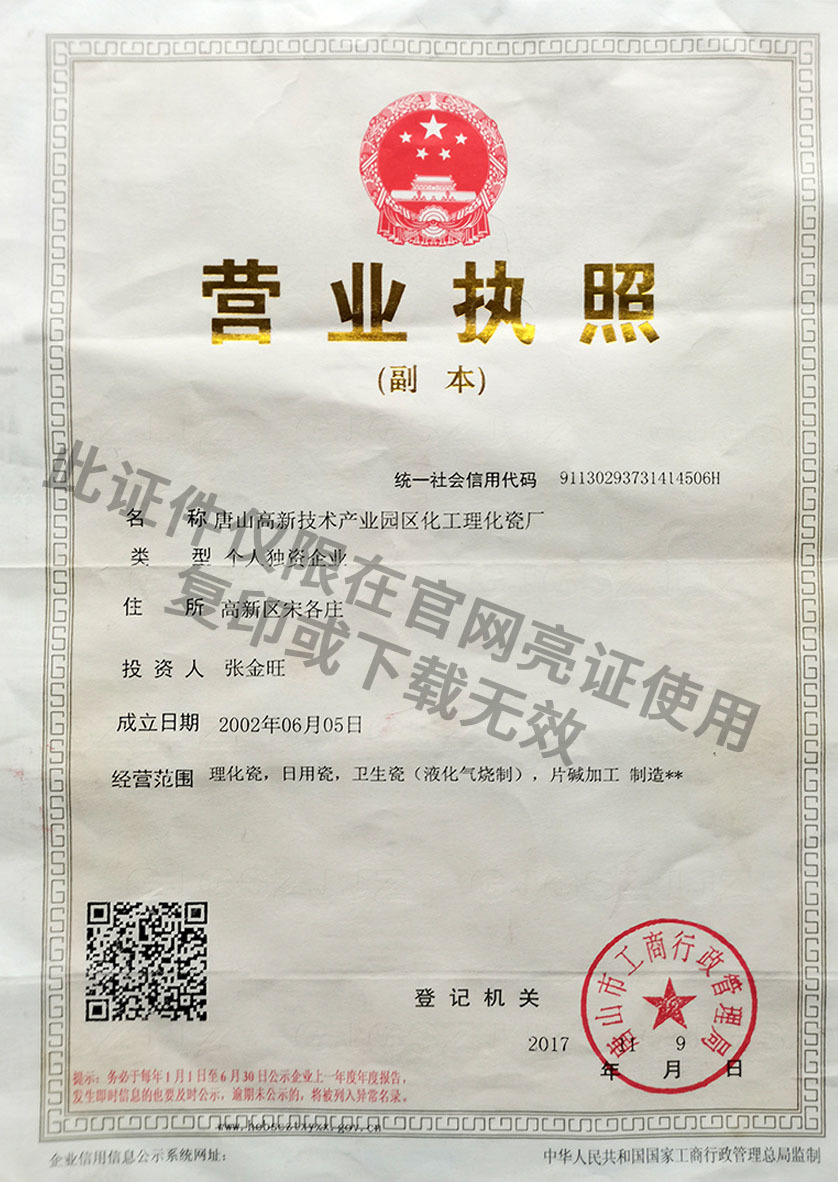
Tangshan High-tech Industrial Park Chemical Physical and Chemical Porcelain Factory
Tangshan Physical and Chemical Ceramics Co., Ltd.
Address: Songgezhuang Chemical and Physical Porcelain Factory, Tangshan High-tech Industrial Development Zone
Telephone: +86-315-5509570 、 +86-315-5509222
Mobile: +86-13903372399 、+86-13832559317
Email: tshglhcc@163.com


Product Center
Follow Us

Online Consultation
If you have any needs, please leave a message, and we will contact you as soon as possible.