language
Acid and alkali resistance: A comparative analysis of corundum crucibles and alumina boats
2023-08-28
Acid and Alkali Resistance: A Comparative Analysis of Alumina Crucibles and Boats In laboratories, ceramic consumables are often used to withstand extreme conditions such as high temperatures, acids, and alkalis. When selecting laboratory ceramic consumables, alumina crucibles and boats are two common choices. They have acid and alkali resistance, but have their own advantages and disadvantages in different aspects. This article will compare and analyze alumina crucibles and boats to help laboratory personnel choose acid and alkali-resistant ceramic consumables that meet their experimental needs. First, in terms of acid and alkali resistance, both alumina crucibles and boats have excellent corrosion resistance. They can withstand various concentrations of acid and alkali solutions and maintain good stability. However, alumina crucibles perform better under certain conditions. Its high hardness and wear resistance allow it to provide better protection under more harsh experimental conditions. For experiments that require prolonged heating or high concentrations of acids and alkalis, an alumina crucible is a more reliable choice. Second, in terms of thermal conductivity, there are also differences between alumina crucibles and boats. Alumina crucibles have higher thermal conductivity and can transfer heat to the experimental substance faster, improving the efficiency of the experiment. Alumina boats, on the other hand, have lower thermal conductivity and can provide a gentler heating curve.
Acid and Alkali Resistance: A Comparative Analysis of Corundum Crucibles and Alumina Boats
In laboratories, ceramic consumables are often required to withstand high temperatures and extreme conditions such as acids and alkalis. When selecting laboratory ceramic consumables, corundum crucibles and alumina boats are two common choices. They have acid and alkali resistance properties, but each has its own advantages and disadvantages in different aspects. This article will compare and analyze corundum crucibles and alumina boats to help laboratory personnel choose acid and alkali-resistant ceramic consumables that meet their experimental needs.
First, in terms of acid and alkali resistance, both corundum crucibles and alumina boats have excellent corrosion resistance. They can withstand various concentrations of acid and alkali solutions and maintain good stability. However, corundum crucibles perform better under specific conditions. Their high hardness and wear resistance provide better protection under more severe experimental conditions. For experiments requiring prolonged heating or high concentrations of acids and alkalis, a corundum crucible is a more reliable choice.
Secondly, in terms of thermal conductivity, there are also differences between corundum crucibles and alumina boats. Corundum crucibles have higher thermal conductivity, allowing them to transfer heat to the experimental substance faster, improving experimental efficiency. Alumina boats, on the other hand, have lower thermal conductivity, providing a gentler heating curve, suitable for experiments with stricter temperature change requirements.
In addition, corundum crucibles and alumina boats also differ in price and durability. Generally, corundum crucibles are more expensive, but they are more durable and can withstand more uses. Alumina boats are relatively inexpensive, but they may wear or break after prolonged use. Therefore, the choice should consider experimental needs and economic factors.
In summary, corundum crucibles and alumina boats are common acid and alkali-resistant ceramic consumables in laboratories. Corundum crucibles have advantages in corrosion resistance and durability, suitable for long-term use under harsh experimental conditions. Alumina boats have advantages in thermal conductivity and economy, suitable for experiments with stricter temperature change requirements. The selection of suitable acid and alkali-resistant ceramic consumables should consider experimental needs comprehensively.
In laboratories, ceramic consumables are often required to withstand high temperatures and extreme conditions such as acids and alkalis. When selecting laboratory ceramic consumables, corundum crucibles and alumina boats are two common choices. They have acid and alkali resistance properties, but each has its own advantages and disadvantages in different aspects. This article will compare and analyze corundum crucibles and alumina boats to help laboratory personnel choose acid and alkali-resistant ceramic consumables that meet their experimental needs.
First, in terms of acid and alkali resistance, both corundum crucibles and alumina boats have excellent corrosion resistance. They can withstand various concentrations of acid and alkali solutions and maintain good stability. However, corundum crucibles perform better under specific conditions. Their high hardness and wear resistance provide better protection under more severe experimental conditions. For experiments requiring prolonged heating or high concentrations of acids and alkalis, a corundum crucible is a more reliable choice.
Secondly, in terms of thermal conductivity, there are also differences between corundum crucibles and alumina boats. Corundum crucibles have higher thermal conductivity, allowing them to transfer heat to the experimental substance faster, improving experimental efficiency. Alumina boats, on the other hand, have lower thermal conductivity, providing a gentler heating curve, suitable for experiments with stricter temperature change requirements.
In addition, corundum crucibles and alumina boats also differ in price and durability. Generally, corundum crucibles are more expensive, but they are more durable and can withstand more uses. Alumina boats are relatively inexpensive, but they may wear or break after prolonged use. Therefore, the choice should consider experimental needs and economic factors.
In summary, corundum crucibles and alumina boats are common acid and alkali-resistant ceramic consumables in laboratories. Corundum crucibles have advantages in corrosion resistance and durability, suitable for long-term use under harsh experimental conditions. Alumina boats have advantages in thermal conductivity and economy, suitable for experiments with stricter temperature change requirements. The selection of suitable acid and alkali-resistant ceramic consumables should consider experimental needs comprehensively.
Recommended news
2026-05-23
2026-04-08
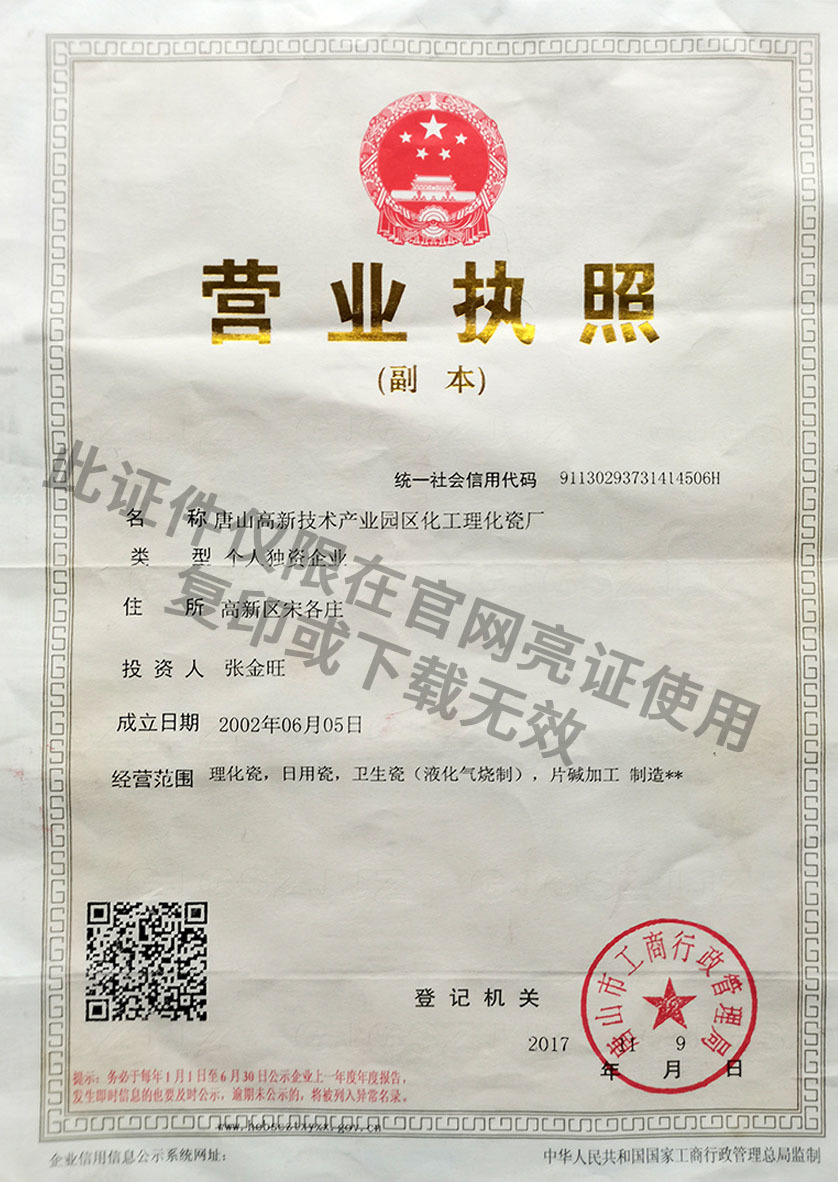
Tangshan High-tech Industrial Park Chemical Physical and Chemical Porcelain Factory
Tangshan Physical and Chemical Ceramics Co., Ltd.
Address: Songgezhuang Chemical and Physical Porcelain Factory, Tangshan High-tech Industrial Development Zone
Telephone: +86-315-5509570 、 +86-315-5509222
Mobile: +86-13903372399 、+86-13832559317
Email: tshglhcc@163.com


Product Center
Follow Us

Online Consultation
If you have any needs, please leave a message, and we will contact you as soon as possible.