language
The Importance of Refractory Materials in Chemical Laboratories and Recommended Laboratory Ceramic Consumables
2023-08-18
The Importance of Refractory Materials in Chemical Laboratories and Recommended Laboratory Ceramic Consumables
In chemical laboratories, refractory materials play a vital role. The high temperatures, corrosive chemicals, and other hazards present in laboratories make refractory materials essential for ensuring laboratory safety. Among the many refractory materials, laboratory ceramic consumables are highly regarded for their excellent performance and diverse applications. This article will focus on the importance of laboratory ceramic consumables and recommend several durable laboratory ceramic consumables.
First, let's understand why refractory materials are so important in chemical laboratories. Chemical experiments often involve high-temperature reactions or the handling of corrosive substances, which can damage experimental equipment. Refractory materials are designed to address these challenges. They can withstand high temperatures, resist corrosion, protect experimental equipment from damage, and ensure laboratory safety. The use of refractory materials can significantly reduce accidents in experiments and provide a stable and reliable experimental environment.
Laboratory ceramic consumables, as a common type of refractory material, are widely used in laboratories. They have excellent high-temperature resistance and resistance to corrosive chemicals. Laboratory ceramic consumables can...
The Importance of Refractory Materials in Chemical Laboratories and Recommended Laboratory Ceramic Consumables
In chemical laboratories, refractory materials play a crucial role. The high temperatures, corrosive chemicals, and other hazards present in laboratories make refractory materials essential for ensuring laboratory safety. Among the many refractory materials, laboratory ceramic consumables are highly regarded for their excellent performance and diverse applications. This article will focus on the importance of laboratory ceramic consumables and recommend several durable laboratory ceramic consumables.
First, let's understand why refractory materials are so important in chemical laboratories. Chemical experiments often involve high-temperature reactions or the handling of corrosive substances, processes that can damage experimental equipment. Refractory materials are designed to address these challenges. They can withstand high temperatures, resist corrosion, protect experimental equipment from damage, and ensure laboratory safety. The use of refractory materials can significantly reduce accidents in experiments and provide a stable and reliable experimental environment.
Laboratory ceramic consumables, as a common type of refractory material, are widely used in laboratories. They have excellent high-temperature resistance and resistance to corrosive chemicals. Laboratory ceramic consumables can withstand temperatures up to 1500 degrees Celsius and remain stable in corrosive environments such as acids, alkalis, and organic solvents. This makes them durable materials frequently used in laboratories.
In the laboratory, some common ceramic consumables include mortars and bricks, ceramic tiles, crucibles, and test tubes. Mortars and bricks are often used to build laboratory insulation layers and fire-resistant walls to ensure the safe operation of the laboratory in high-temperature environments. Mortars and bricks are usually made of high-purity alumina and have extremely high refractory properties. Ceramic tiles are often used to make laboratory countertops and containers; their smooth surface and corrosion resistance make them an ideal choice. Crucibles and test tubes are often used to heat reagents or conduct high-temperature reactions; their high-temperature resistance makes the experimental process safer and more reliable.
In addition to the laboratory ceramic consumables mentioned above, there are other recommended refractory materials. For example, ceramic fiber products provide excellent thermal insulation and are often used to make laboratory insulation materials and heat shields. In addition, ceramic coatings are also a common type of refractory material that can provide corrosion resistance and high-temperature protection for laboratory equipment.
In summary, the importance of refractory materials in chemical laboratories cannot be ignored. Laboratory ceramic consumables, as an important type of refractory material, have excellent high-temperature and corrosion resistance. Their application can ensure laboratory safety and provide a stable and reliable experimental environment. Therefore, when choosing laboratory refractory materials, laboratory ceramic consumables are a recommended choice.
In chemical laboratories, refractory materials play a crucial role. The high temperatures, corrosive chemicals, and other hazards present in laboratories make refractory materials essential for ensuring laboratory safety. Among the many refractory materials, laboratory ceramic consumables are highly regarded for their excellent performance and diverse applications. This article will focus on the importance of laboratory ceramic consumables and recommend several durable laboratory ceramic consumables.
First, let's understand why refractory materials are so important in chemical laboratories. Chemical experiments often involve high-temperature reactions or the handling of corrosive substances, processes that can damage experimental equipment. Refractory materials are designed to address these challenges. They can withstand high temperatures, resist corrosion, protect experimental equipment from damage, and ensure laboratory safety. The use of refractory materials can significantly reduce accidents in experiments and provide a stable and reliable experimental environment.
Laboratory ceramic consumables, as a common type of refractory material, are widely used in laboratories. They have excellent high-temperature resistance and resistance to corrosive chemicals. Laboratory ceramic consumables can withstand temperatures up to 1500 degrees Celsius and remain stable in corrosive environments such as acids, alkalis, and organic solvents. This makes them durable materials frequently used in laboratories.
In the laboratory, some common ceramic consumables include mortars and bricks, ceramic tiles, crucibles, and test tubes. Mortars and bricks are often used to build laboratory insulation layers and fire-resistant walls to ensure the safe operation of the laboratory in high-temperature environments. Mortars and bricks are usually made of high-purity alumina and have extremely high refractory properties. Ceramic tiles are often used to make laboratory countertops and containers; their smooth surface and corrosion resistance make them an ideal choice. Crucibles and test tubes are often used to heat reagents or conduct high-temperature reactions; their high-temperature resistance makes the experimental process safer and more reliable.
In addition to the laboratory ceramic consumables mentioned above, there are other recommended refractory materials. For example, ceramic fiber products provide excellent thermal insulation and are often used to make laboratory insulation materials and heat shields. In addition, ceramic coatings are also a common type of refractory material that can provide corrosion resistance and high-temperature protection for laboratory equipment.
In summary, the importance of refractory materials in chemical laboratories cannot be ignored. Laboratory ceramic consumables, as an important type of refractory material, have excellent high-temperature and corrosion resistance. Their application can ensure laboratory safety and provide a stable and reliable experimental environment. Therefore, when choosing laboratory refractory materials, laboratory ceramic consumables are a recommended choice.
Recommended news
2026-05-23
2026-04-08
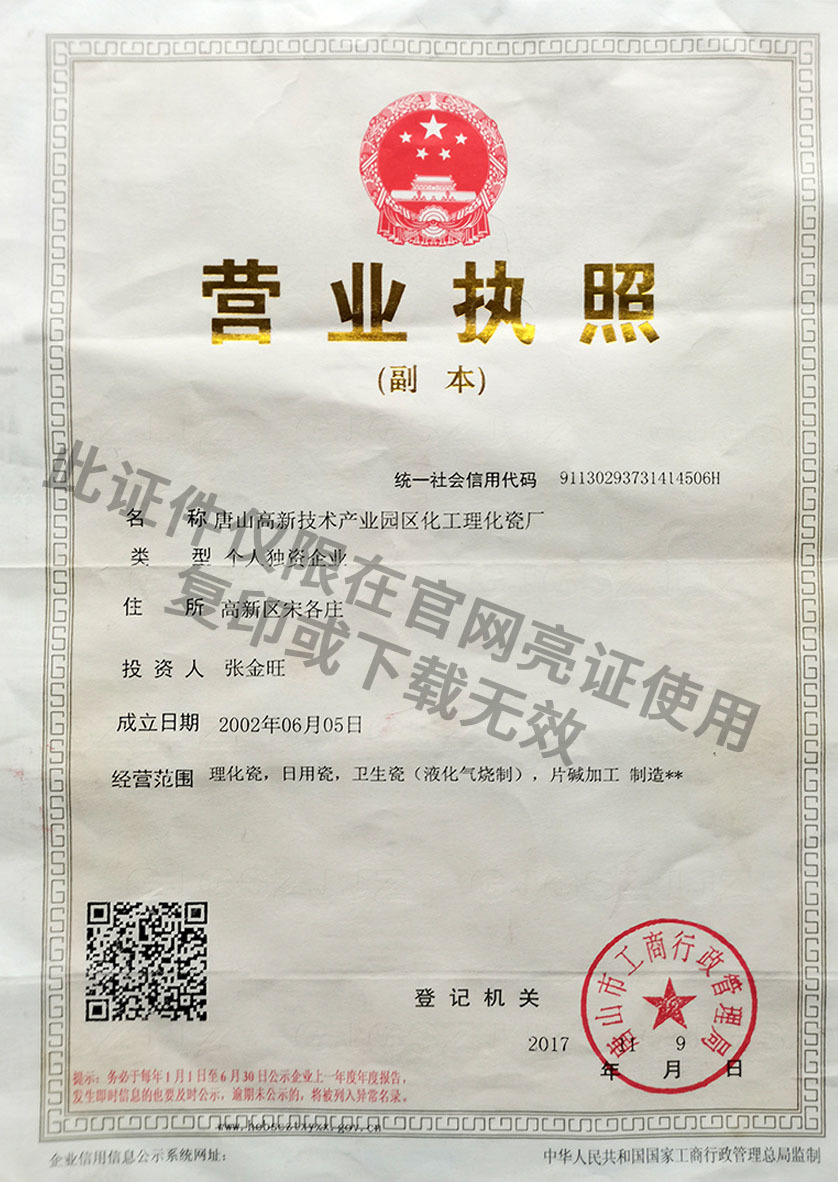
Tangshan High-tech Industrial Park Chemical Physical and Chemical Porcelain Factory
Tangshan Physical and Chemical Ceramics Co., Ltd.
Address: Songgezhuang Chemical and Physical Porcelain Factory, Tangshan High-tech Industrial Development Zone
Telephone: +86-315-5509570 、 +86-315-5509222
Mobile: +86-13903372399 、+86-13832559317
Email: tshglhcc@163.com


Product Center
Follow Us

Online Consultation
If you have any needs, please leave a message, and we will contact you as soon as possible.