language
Manufacturing process of wear-resistant ceramics and application cases in industry
2023-09-07
Wear-resistant ceramics are widely used in industrial fields as a wear-resistant material. It features high strength, high-temperature resistance, and wear resistance, suitable for various harsh working environments. In laboratories, wear-resistant ceramics are also indispensable consumables, used in manufacturing various experimental equipment and tools. This article will introduce the manufacturing process of wear-resistant ceramics and application cases in industry. I. Manufacturing Process of Wear-Resistant Ceramics The manufacturing process of wear-resistant ceramics generally includes four steps: raw material selection, molding, sintering, and post-processing. First, suitable raw materials need to be selected; common raw materials include alumina, aluminum borate, zirconia, etc. Then, the raw materials are formed into ceramic blanks of the required shape through molding processes. Molding methods include pressing, injection molding, slip casting, and other options. Next, the ceramic blanks are sintered to give them good physical and chemical properties. Finally, necessary post-processing processes, such as grinding and polishing, are carried out to improve the surface finish and precision of the ceramics. II. Application Cases of Wear-Resistant Ceramics in Industry 1. Application of Wear-Resistant Ceramics in the Mining Industry In the mining and processing of ores, wear-resistant ceramic wear parts, such as grinding balls and grinding rods, are often used. These wear parts can maintain a longer service life in high-speed wear and tear environments, improving production...
Wear-resistant ceramics are a type of wear-resistant material widely used in industrial fields. They feature high strength, high-temperature resistance, and wear resistance, making them suitable for various harsh working environments. In laboratories, wear-resistant ceramics are also indispensable consumables, used in the manufacturing of various experimental equipment and tools. This article will introduce the manufacturing process of wear-resistant ceramics and application cases in industry.
I. Manufacturing Process of Wear-Resistant Ceramics
The manufacturing process of wear-resistant ceramics generally includes four steps: raw material selection, molding, sintering, and post-processing. First, suitable raw materials must be selected; common raw materials include alumina, aluminum borate, and zirconia. Then, the raw materials are formed into ceramic blanks of the required shape through a molding process. Molding methods include pressing, injection molding, and slip casting. Next, the ceramic blanks are sintered to give them good physical and chemical properties. Finally, necessary post-processing processes, such as grinding and polishing, are carried out to improve the surface finish and precision of the ceramics.
II. Application Cases of Wear-Resistant Ceramics in Industry
1. Application of Wear-Resistant Ceramics in the Mining Industry
In the mining and processing of ores, wear parts made of wear-resistant ceramics, such as grinding balls and grinding rods, are often used. These wear parts can maintain a longer service life in high-speed grinding and wear environments, improving production efficiency and reducing maintenance costs.
2. Application of Wear-Resistant Ceramics in the Chemical Industry
Many processes in the chemical industry require the use of strong acid or strong alkali media, placing high demands on the corrosion resistance of equipment. Wear-resistant ceramics, due to their excellent corrosion resistance, are widely used in the linings, valves, and pump bodies of chemical equipment, effectively extending the service life of the equipment.
3. Application of Wear-Resistant Ceramics in the Electronics Industry
The electronics industry has strict requirements for the insulation and thermal conductivity of materials. Wear-resistant ceramics, due to their high insulation and excellent thermal conductivity, are widely used in electronic components and circuit boards, improving the performance and stability of electronic equipment.
The above cases show that wear-resistant ceramics are widely used in industry and involve multiple fields. Their unique properties make them an indispensable material in industrial production.
I. Manufacturing Process of Wear-Resistant Ceramics
The manufacturing process of wear-resistant ceramics generally includes four steps: raw material selection, molding, sintering, and post-processing. First, suitable raw materials must be selected; common raw materials include alumina, aluminum borate, and zirconia. Then, the raw materials are formed into ceramic blanks of the required shape through a molding process. Molding methods include pressing, injection molding, and slip casting. Next, the ceramic blanks are sintered to give them good physical and chemical properties. Finally, necessary post-processing processes, such as grinding and polishing, are carried out to improve the surface finish and precision of the ceramics.
II. Application Cases of Wear-Resistant Ceramics in Industry
1. Application of Wear-Resistant Ceramics in the Mining Industry
In the mining and processing of ores, wear parts made of wear-resistant ceramics, such as grinding balls and grinding rods, are often used. These wear parts can maintain a longer service life in high-speed grinding and wear environments, improving production efficiency and reducing maintenance costs.
2. Application of Wear-Resistant Ceramics in the Chemical Industry
Many processes in the chemical industry require the use of strong acid or strong alkali media, placing high demands on the corrosion resistance of equipment. Wear-resistant ceramics, due to their excellent corrosion resistance, are widely used in the linings, valves, and pump bodies of chemical equipment, effectively extending the service life of the equipment.
3. Application of Wear-Resistant Ceramics in the Electronics Industry
The electronics industry has strict requirements for the insulation and thermal conductivity of materials. Wear-resistant ceramics, due to their high insulation and excellent thermal conductivity, are widely used in electronic components and circuit boards, improving the performance and stability of electronic equipment.
The above cases show that wear-resistant ceramics are widely used in industry and involve multiple fields. Their unique properties make them an indispensable material in industrial production.
Recommended news
2026-05-23
2026-04-08
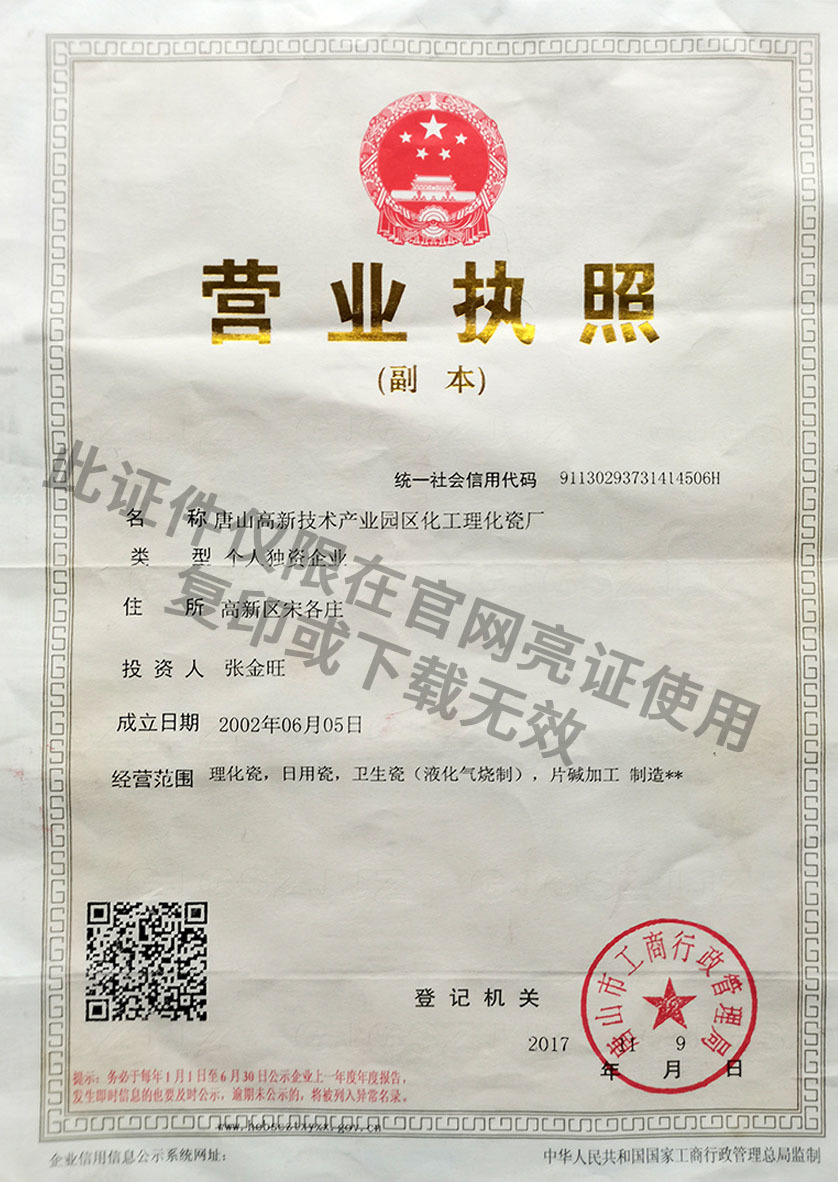
Tangshan High-tech Industrial Park Chemical Physical and Chemical Porcelain Factory
Tangshan Physical and Chemical Ceramics Co., Ltd.
Address: Songgezhuang Chemical and Physical Porcelain Factory, Tangshan High-tech Industrial Development Zone
Telephone: +86-315-5509570 、 +86-315-5509222
Mobile: +86-13903372399 、+86-13832559317
Email: tshglhcc@163.com


Product Center
Follow Us

Online Consultation
If you have any needs, please leave a message, and we will contact you as soon as possible.