language
High-purity ceramic product manufacturing: Advantages and applications of alumina ceramic tubes
2023-08-08
High-Purity Ceramic Product Manufacturing: Advantages and Applications of Alumina Ceramic Tubes Have you ever considered the important role of high-purity ceramic tubes in the manufacturing process of ceramic consumables used in laboratories? In this article, we will explore the advantages of alumina ceramic tubes and their applications in laboratories. First, let's understand what high-purity ceramics are. High-purity ceramics are ceramic materials made from inorganic non-metallic materials, with high-temperature resistance, corrosion resistance, and excellent mechanical properties. Alumina ceramic is a type of high-purity ceramic, with alumina as its main component. Compared to other materials, alumina ceramic tubes have several advantages. First, alumina ceramic tubes have excellent high-temperature resistance. In laboratories, many experiments need to be conducted in high-temperature environments, and alumina ceramic tubes can withstand high temperatures up to 1600℃, and are not easily affected by thermal expansion, thus ensuring the accuracy and reliability of the experiment. Second, alumina ceramic tubes have strong corrosion resistance. In various chemical experiments, corrosive substances such as acids and alkalis often cause serious damage to experimental materials. However, alumina ceramic tubes have excellent corrosion resistance and can be used stably for a long time in acidic and alkaline environments, thus extending their service life and reducing experimental costs. In addition, oxygen
High-Purity Ceramic Product Manufacturing: Advantages and Applications of Alumina Ceramic Tubes
Have you ever considered the important role of high-purity ceramic tubes in the manufacturing process of ceramic consumables used in laboratories? This article will explore the advantages of alumina ceramic tubes and their applications in laboratories.
First, let's understand what high-purity ceramics are. High-purity ceramics are ceramic materials made from inorganic non-metallic materials, with high-temperature resistance, corrosion resistance, and excellent mechanical properties. Alumina ceramic is a type of high-purity ceramic, with alumina as its main component. Compared to other materials, alumina ceramic tubes have the following advantages.
First, alumina ceramic tubes have excellent high-temperature resistance. Many experiments in laboratories require high-temperature environments, and alumina ceramic tubes can withstand temperatures as high as 1600℃, and are not easily affected by thermal expansion, thus ensuring the accuracy and reliability of the experiments.
Second, alumina ceramic tubes have strong corrosion resistance. In various chemical experiments, corrosive substances such as acids and alkalis often cause serious damage to experimental materials. However, alumina ceramic tubes have excellent corrosion resistance and can be used stably for a long time in acidic and alkaline environments, thus extending their service life and reducing experimental costs.
In addition, alumina ceramic tubes also have excellent mechanical properties. During experiments, ceramic tubes may be subjected to external impacts, so they need to have a certain strength and wear resistance. Alumina ceramic tubes have excellent mechanical properties, capable of withstanding external impacts and wear, ensuring the stability and reliability of the experiment.
In the laboratory, alumina ceramic tubes have a wide range of applications. They can be used in refractory pipes for high-temperature experimental equipment, furnace lining insulation pipes, electrolytic cells, and sintering furnaces. In addition, alumina ceramic tubes can also be used in chemical laboratories for reagent storage, glaze mixing, and sample analysis. Due to their excellent performance and diverse application scenarios, alumina ceramic tubes play an indispensable role in laboratories.
In summary, alumina ceramic tubes, as an important part of high-purity ceramic products, have advantages such as high-temperature resistance, corrosion resistance, and excellent mechanical properties. In laboratories, alumina ceramic tubes are widely used, providing stability and reliability for experiments. Therefore, choosing alumina ceramic tubes as laboratory ceramic consumables is a wise choice.
Article Introduction: This article details the advantages of alumina ceramic tubes in the manufacturing of high-purity ceramic products and their applications in laboratories. Alumina ceramic tubes have advantages such as high-temperature resistance, corrosion resistance, and excellent mechanical properties, and can meet various needs in laboratories. By using alumina ceramic tubes, laboratories can improve the accuracy and reliability of experiments and reduce experimental costs.
Have you ever considered the important role of high-purity ceramic tubes in the manufacturing process of ceramic consumables used in laboratories? This article will explore the advantages of alumina ceramic tubes and their applications in laboratories.
First, let's understand what high-purity ceramics are. High-purity ceramics are ceramic materials made from inorganic non-metallic materials, with high-temperature resistance, corrosion resistance, and excellent mechanical properties. Alumina ceramic is a type of high-purity ceramic, with alumina as its main component. Compared to other materials, alumina ceramic tubes have the following advantages.
First, alumina ceramic tubes have excellent high-temperature resistance. Many experiments in laboratories require high-temperature environments, and alumina ceramic tubes can withstand temperatures as high as 1600℃, and are not easily affected by thermal expansion, thus ensuring the accuracy and reliability of the experiments.
Second, alumina ceramic tubes have strong corrosion resistance. In various chemical experiments, corrosive substances such as acids and alkalis often cause serious damage to experimental materials. However, alumina ceramic tubes have excellent corrosion resistance and can be used stably for a long time in acidic and alkaline environments, thus extending their service life and reducing experimental costs.
In addition, alumina ceramic tubes also have excellent mechanical properties. During experiments, ceramic tubes may be subjected to external impacts, so they need to have a certain strength and wear resistance. Alumina ceramic tubes have excellent mechanical properties, capable of withstanding external impacts and wear, ensuring the stability and reliability of the experiment.
In the laboratory, alumina ceramic tubes have a wide range of applications. They can be used in refractory pipes for high-temperature experimental equipment, furnace lining insulation pipes, electrolytic cells, and sintering furnaces. In addition, alumina ceramic tubes can also be used in chemical laboratories for reagent storage, glaze mixing, and sample analysis. Due to their excellent performance and diverse application scenarios, alumina ceramic tubes play an indispensable role in laboratories.
In summary, alumina ceramic tubes, as an important part of high-purity ceramic products, have advantages such as high-temperature resistance, corrosion resistance, and excellent mechanical properties. In laboratories, alumina ceramic tubes are widely used, providing stability and reliability for experiments. Therefore, choosing alumina ceramic tubes as laboratory ceramic consumables is a wise choice.
Article Introduction: This article details the advantages of alumina ceramic tubes in the manufacturing of high-purity ceramic products and their applications in laboratories. Alumina ceramic tubes have advantages such as high-temperature resistance, corrosion resistance, and excellent mechanical properties, and can meet various needs in laboratories. By using alumina ceramic tubes, laboratories can improve the accuracy and reliability of experiments and reduce experimental costs.
Recommended news
2026-05-23
2026-04-08
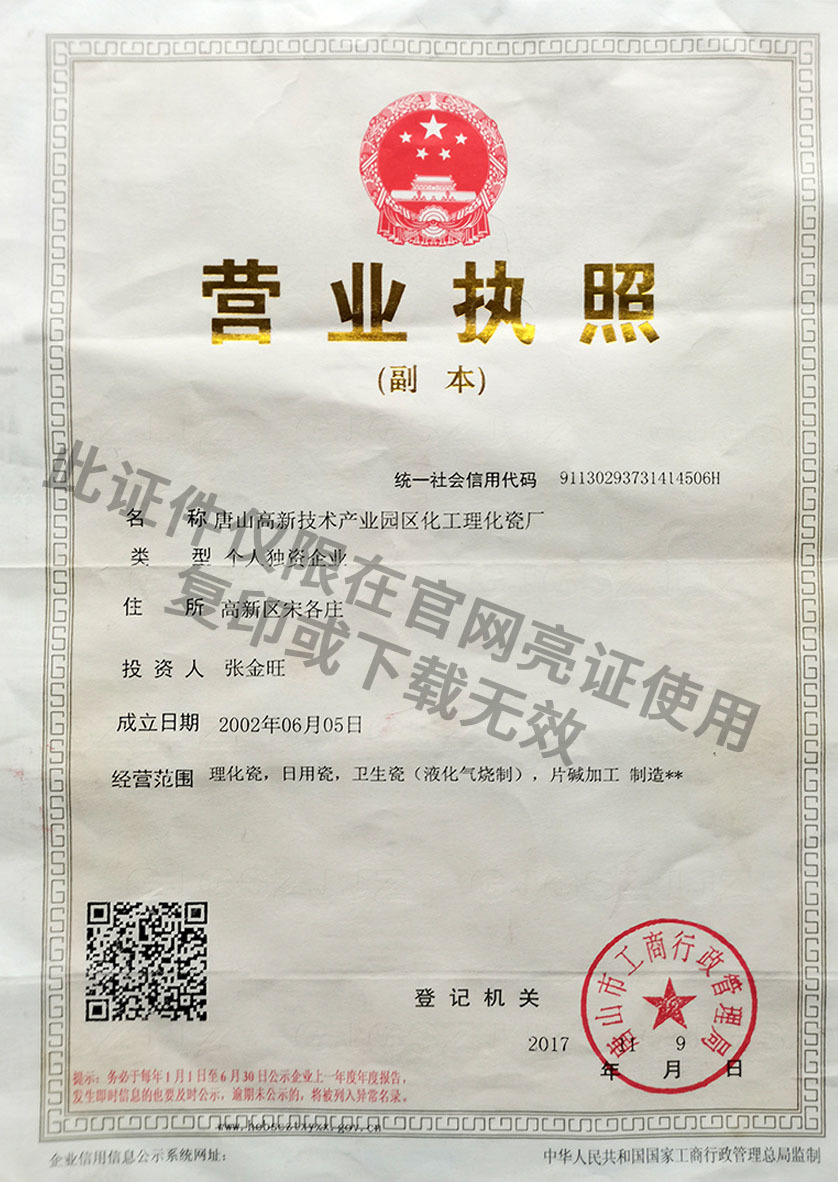
Tangshan High-tech Industrial Park Chemical Physical and Chemical Porcelain Factory
Tangshan Physical and Chemical Ceramics Co., Ltd.
Address: Songgezhuang Chemical and Physical Porcelain Factory, Tangshan High-tech Industrial Development Zone
Telephone: +86-315-5509570 、 +86-315-5509222
Mobile: +86-13903372399 、+86-13832559317
Email: tshglhcc@163.com


Product Center
Follow Us

Online Consultation
If you have any needs, please leave a message, and we will contact you as soon as possible.