High-temperature ceramics and their applications
2023-04-11
High-temperature ceramics are tiles with high-temperature resistance. They possess excellent heat resistance and wear resistance, commonly used in aerospace, aviation, automotive, metallurgy, petroleum, power, military, and other industries requiring high-temperature components. In addition to the impact resistance, corrosion resistance, and aesthetics of traditional tiles, high-temperature ceramics also exhibit superior heat resistance and wear resistance.
1. Structural Characteristics of High-Temperature Ceramics
High-temperature ceramics are non-metallic materials, primarily composed of alumina, calcium silicate, magnesium silicate, etc., formed through high-temperature sintering under specific temperature and pressure conditions. They exhibit good thermal stability and conductivity, excellent thermal shock resistance, good oxidation resistance, strong corrosion resistance against oxides and oxidizing gases in the air, and also feature low sintering temperature, high sintered hardness, and strong wear resistance.
2. Thermal Performance Characteristics of High-Temperature Ceramics
High-temperature ceramics have better thermal shock resistance than ordinary ceramics. They possess high thermal stability and can withstand high temperatures, low temperatures, and harsh environmental conditions, with heat resistance up to 1200℃ or higher. Furthermore, their excellent thermal conductivity effectively reduces heat transfer, improving temperature uniformity and thermal stability.
3. Corrosion Resistance Characteristics of High-Temperature Ceramics
High-temperature ceramics exhibit extremely strong corrosion resistance, effectively resisting oxides and oxidizing gases in the air. Therefore, they are frequently used in various harsh environments. Additionally, they possess good acid and alkali resistance, effectively resisting various corrosive acid and alkali substances.
4. Processing Characteristics of High-Temperature Ceramics
High-temperature ceramics also have excellent processing properties. They can be processed through conventional mechanical machining and heat treatment, possessing high sintered hardness and wear resistance, thus effectively improving processing precision and efficiency. Furthermore, their low sintering temperature reduces processing time, lowers costs, and enhances processing economy.
5. Applications of High-Temperature Ceramics
High-temperature ceramics are commonly used in aerospace, aviation, automotive, metallurgical, petroleum, power, military, and high-temperature component industries. They can be used to manufacture combustion chambers, nozzles, turbine rotors and blades, heat exchangers, turbochargers, cylinders, pistons, compressors, and various heat-resistant and corrosion-resistant parts.
From the above introduction, we can see that high-temperature ceramics possess excellent heat resistance and wear resistance, strong corrosion resistance, and can withstand high temperatures, low temperatures, and harsh environmental conditions. They have wide applications in aerospace, aviation, automotive, metallurgical, petroleum, power, military, and high-temperature component industries. High-temperature ceramics not only improve processing precision and efficiency but also effectively reduce costs, possessing broad application prospects.
Recommended news
2026-05-23
2026-04-08
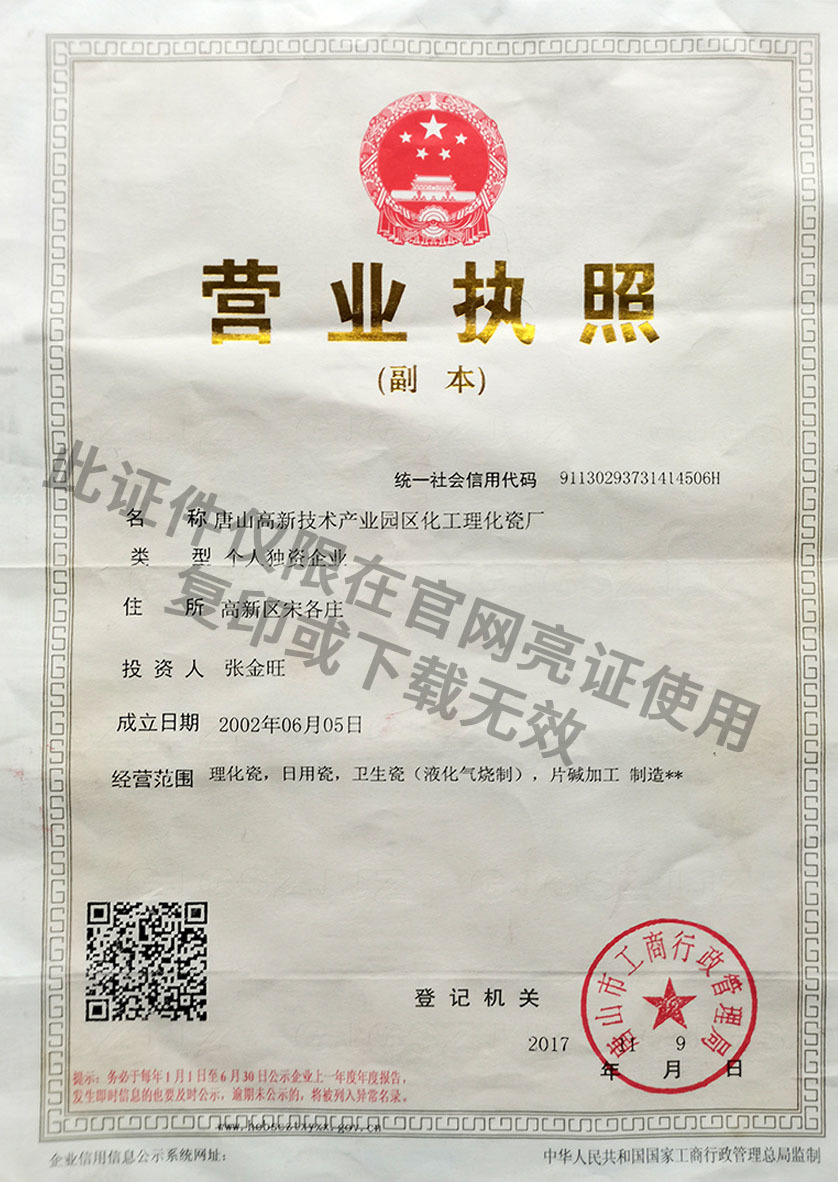
Tangshan High-tech Industrial Park Chemical Physical and Chemical Porcelain Factory
Tangshan Physical and Chemical Ceramics Co., Ltd.
Address: Songgezhuang Chemical and Physical Porcelain Factory, Tangshan High-tech Industrial Development Zone
Telephone: +86-315-5509570 、 +86-315-5509222
Mobile: +86-13903372399 、+86-13832559317
Email: tshglhcc@163.com


Product Center
Follow Us

Online Consultation
If you have any needs, please leave a message, and we will contact you as soon as possible.