A basic overview of products from porcelain crucible manufacturers?
2023-04-20
Porcelain crucibles have a wide range of applications. Before use, it is essential to understand the basic overview of products from porcelain crucible manufacturers. This allows for better application. If you are interested in this topic, let's take a look together, hoping to provide help to relevant personnel.
Porcelain crucibles are widely used in various industries, so their uses are extensive. They can be found in many industries. When using porcelain crucible manufacturer products, it's important to know that ceramics are water-absorbent. Therefore, crucibles should be dried before use and weighed on an analytical balance to reduce errors. Sometimes, the analyte is filtered using ashless filter paper, and the filter paper is placed in the crucible; thus, you'll find that this filter paper completely decomposes at high temperatures without affecting the results. After high-temperature treatment, the crucible and its contents are placed in a dedicated desiccator for drying and cooling before weighing. Always use clean crucible tongs. Metals, as an important component of chemical equipment, are containers for melting, purifying liquids, and heating solid-liquid reactions, forming the basis for smooth chemical reactions. Platinum, made from clay, was one of its earliest uses in manufacturing crucibles. Porcelain crucible manufacturers believe that, in recent years, with the development of manufacturing technology, crucibles can now be made from any material that can be melted or altered in its composition. There are now many varieties, models, and specifications available for selection, with strong applicability and ensuring the purity of the melt. Ceramic crucibles are an important part of crucibles. Porcelain crucible manufacturers believe that, according to the raw materials, there are quartz crucibles, corundum, boron nitride, zirconia, etc. Due to their different properties, they are used in different situations.
Porcelain crucible manufacturer products also feature fine structure, low thermal conductivity, low thermal expansion coefficient, good thermal shock resistance, good electrical properties, and good chemical resistance. Porcelain crucible manufacturers believe that they are widely used in the deep processing of glass, metallurgy, electronics, chemical industry, and aerospace industries. Generally, the shapes of quartz ceramic crucibles are mostly square and cylindrical. They are particularly strong, resistant to melting, high temperatures, acids and alkalis, extreme heat and cold, and chemical corrosion, suitable for anhydrous melting of Na2CO3 and other weakly alkaline substances, but not suitable for melting samples with water. Depending on the conditions of use, alumina crucibles come in different sizes and shapes. They are now usually made of P-BN. Of course, it also has good heat resistance, thermal stability, thermal conductivity, and high-temperature dielectric strength, making it an ideal heat dissipation material and high-temperature insulation material. It is often used for melting metals and semiconductors, reaching temperatures up to 1800 degrees in a vacuum. Even when heated to 1900℃, zirconia does not react with molten aluminum, iron, nickel and platinum metals, silicates, and acidic slags, so zirconia crucibles can successfully melt precious metals such as platinum, palladium, ruthenium, and cesium, and their alloys. The porcelain crucible manufacturer here offers reasonable prices and guaranteed quality. There are also many product types, and there is always one suitable for you. Welcome to purchase.
The above article describes the basic overview of porcelain crucible manufacturer products, and also shares a relatively good porcelain crucible manufacturer. If you have this need, you can check it out, hoping to help you.
Recommended news
2026-05-23
2026-04-08
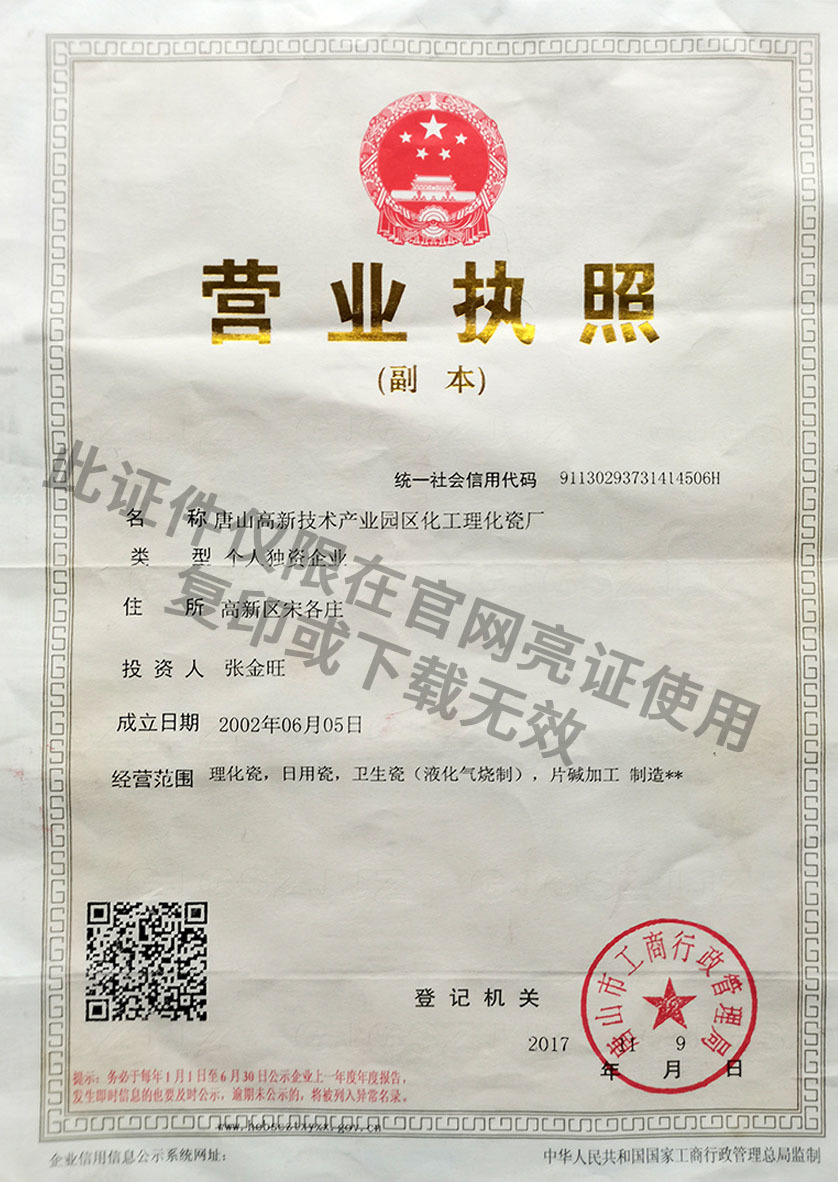
Tangshan High-tech Industrial Park Chemical Physical and Chemical Porcelain Factory
Tangshan Physical and Chemical Ceramics Co., Ltd.
Address: Songgezhuang Chemical and Physical Porcelain Factory, Tangshan High-tech Industrial Development Zone
Telephone: +86-315-5509570 、 +86-315-5509222
Mobile: +86-13903372399 、+86-13832559317
Email: tshglhcc@163.com


Product Center
Follow Us

Online Consultation
If you have any needs, please leave a message, and we will contact you as soon as possible.