High-temperature ceramics, introduction to the characteristics and applications of high-temperature ceramics
2023-03-22
High-temperature ceramics are a new type of ceramic that can be used in high-temperature environments to meet the special requirements of various industries. High-temperature ceramics have good heat resistance, chemical corrosion resistance, wear resistance, impact resistance, low-temperature plasticity, low thermal expansion coefficient, and low thermal conductivity. Therefore, it can be used to manufacture various high-temperature electrical components, insulating materials, coating materials, heat treatment parts, etc., and is widely used in aerospace, petrochemical, electronics and electricity, heat treatment, metallurgy, machinery manufacturing, and other industries.
I. Characteristics of High-Temperature Ceramics
High-temperature ceramics are mainly composed of silicon carbide, aluminum oxide, and diamond, and have the characteristics of high-temperature stability, high strength, high thermal conductivity, high thermal expansion, corrosion resistance, wear resistance, and anti-static properties. In high-temperature environments, their performance is not affected and can withstand high and low temperatures and temperature changes. At the same time, it has characteristics such as a low thermal expansion coefficient, low-temperature plasticity, and low thermal conductivity, allowing it to maintain good performance even in high-temperature environments.
II. Applications of High-Temperature Ceramics
High-temperature ceramics have a wide range of applications, mainly used in the manufacturing of heat treatment parts, electronic components, electric heating elements, insulating materials, and coating materials. It can be used in aerospace, petrochemical, electronics and electricity, heat treatment, metallurgy, machinery manufacturing, and other industries. For example, it can be used to manufacture liners for internal combustion engine combustion chambers; used to manufacture combustion chambers and thermal protection plates for rocket engines; used to manufacture thermal couplers for electronic components and thermal protection devices for electronic circuit devices; used to manufacture thermocouples; used to manufacture high-temperature coatings for coating materials; used to manufacture heat treatment chambers and thermal insulation parts for heat treatment chambers; and used to manufacture coating additives, etc.
III. Preparation Process of High-Temperature Ceramics
The preparation process of high-temperature ceramics is mainly divided into two methods: powder metallurgy and wet method. The powder metallurgy method is to mix the powders of silicon carbide, aluminum oxide, and diamond, and then sinter them in a container to form high-temperature ceramics. The wet method is to mix the powders of silicon carbide, aluminum oxide, and diamond, then add water to form a slurry, and then go through processes such as shaping, drying, and sintering to finally produce high-temperature ceramics.
IV. Advantages and Disadvantages of High-Temperature Ceramics
High-temperature ceramics have advantages such as high-temperature stability, high strength, high thermal conductivity, high thermal expansion, corrosion resistance, wear resistance, and anti-static properties. They can be used to manufacture various high-temperature electrical components, insulating materials, coating materials, and heat treatment parts, and are widely used in aerospace, petrochemical, electronics and electricity, heat treatment, metallurgy, machinery manufacturing, and other industries. However, it also has some disadvantages, such as a complex preparation process, high cost, and significant dependence on the preparation temperature.
V. Market Prospects of High-Temperature Ceramics
High-temperature ceramics have excellent performance and a wide range of applications, so their market prospects are very optimistic. With the continuous advancement of technology, the performance and preparation process of high-temperature ceramics are constantly improving, which will bring more applications to society. Therefore, high-temperature ceramics have good development prospects, and in the future, it will become an important material and will be more widely used in aerospace, petrochemical, electronics and electricity, heat treatment, metallurgy, machinery manufacturing, and other industries.
In summary, high-temperature ceramics have good heat resistance, chemical corrosion resistance, wear resistance, impact resistance, low-temperature plasticity, low thermal expansion coefficient, and low thermal conductivity, and can be used to manufacture various high-
Recommended news
2026-05-23
2026-04-08
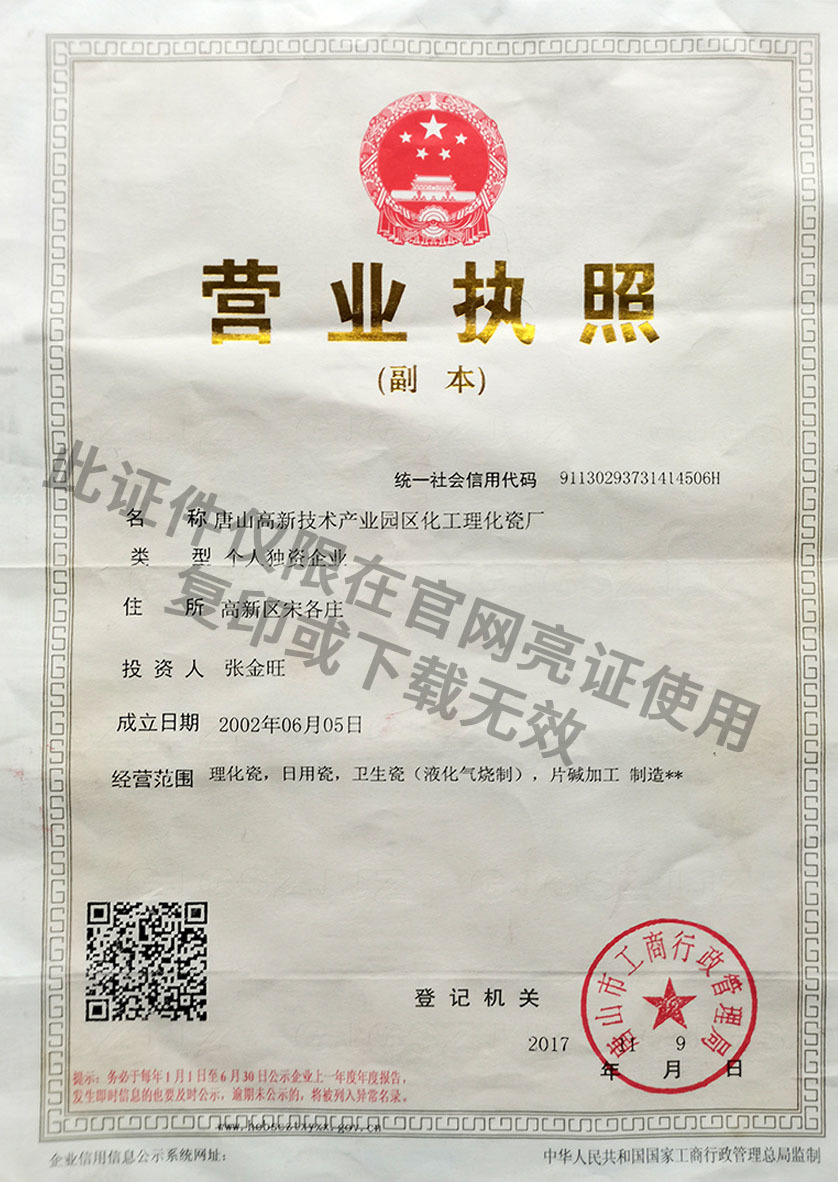
Tangshan High-tech Industrial Park Chemical Physical and Chemical Porcelain Factory
Tangshan Physical and Chemical Ceramics Co., Ltd.
Address: Songgezhuang Chemical and Physical Porcelain Factory, Tangshan High-tech Industrial Development Zone
Telephone: +86-315-5509570 、 +86-315-5509222
Mobile: +86-13903372399 、+86-13832559317
Email: tshglhcc@163.com


Product Center
Follow Us

Online Consultation
If you have any needs, please leave a message, and we will contact you as soon as possible.