What are the characteristics of high-temperature ceramics, and what are the application prospects of high-temperature ceramics?
2023-03-14
High-temperature ceramics are a special type of ceramic material mainly made from ceramic powder and fired at high temperatures. They are characterized by high strength, high hardness, corrosion resistance, acid and alkali resistance, wear resistance, and high-temperature resistance, and can be used at temperatures above 1000℃.
High-temperature ceramics possess excellent physical and chemical properties, surpassing those of metallic and other ceramic materials. They exhibit high temperature resistance, low thermal expansion coefficient, high thermal conductivity, good wear resistance, and excellent corrosion and heat resistance, enabling them to function reliably in high-temperature environments for extended periods.
High-temperature ceramics have a wide range of applications, including petroleum, chemical, electronic, metallurgical, and aerospace industries. Common applications include heat exchangers in power devices such as automobiles, aircraft, and rocket engines; heat exchangers in turbines and air compressors used in high-temperature environments; and furnace equipment used in metal smelting. Furthermore, high-temperature ceramics are also used in military, aerospace, and aviation fields for manufacturing heat shields for rocket engines and spacecraft.
In summary, high-temperature ceramics possess excellent physical and chemical properties, can withstand temperatures exceeding 1000℃, exhibit good wear resistance, and possess excellent corrosion and heat resistance, promising broad application prospects. It is worth noting that high-temperature ceramics are environmentally friendly and their production method is more environmentally sound than conventional ceramic firing methods.
High-temperature ceramics refer to specially processed ceramic materials with high heat resistance, suitable for use in high-temperature environments. They play a significant role in technology, finding applications not only in aerospace and military fields but also in home appliances, lighting, and automotive parts industries.
1. Thermal Stability
High-temperature ceramics exhibit high thermal stability, maintaining their physical and chemical stability in high-temperature environments and withstanding temperature fluctuations. Furthermore, their thermal stability prevents chemical reactions, ensuring high safety during high-temperature operation.
2. Toughness
High-temperature ceramics possess high toughness, exhibiting good impact resistance and withstanding a certain degree of external force without easily breaking. Additionally, they have good wear resistance, resisting external stimuli and maintaining their physical and mechanical properties during high-temperature use.
3. Density
High-temperature ceramics have a relatively low density, resulting in lighter weight, significantly reducing installation load and making them easier to handle and install. Their smaller volume saves storage space and contributes to energy savings.
4. Corrosion Resistance
High-temperature ceramics exhibit high corrosion resistance, withstanding various corrosive agents such as oxidants, acids, and alkalis, effectively preventing corrosion and ensuring good durability during high-temperature use.
5. Insulation
High-temperature ceramics possess good insulation properties, effectively preventing electrical interference between electronic components, thus preventing short circuits during high-temperature operation. Their insulation also reduces interference between electronic components, ensuring high reliability during high-temperature use.
The above demonstrates that high-temperature ceramics possess excellent thermal stability, toughness, density, corrosion resistance, and insulation properties, ensuring safety, reliability, and durability during high-temperature operation. Therefore, high-temperature ceramics have broad application prospects and will play an even greater role in the future.
In conclusion, high-temperature ceramics are an important material. Their characteristics provide high thermal stability, toughness, appropriate density, corrosion resistance, and insulation, ensuring safety, reliability, and durability during high-temperature operation. Therefore, high-temperature ceramics have broad application prospects and will play an even greater role in the future.
Recommended news
2026-05-23
2026-04-08
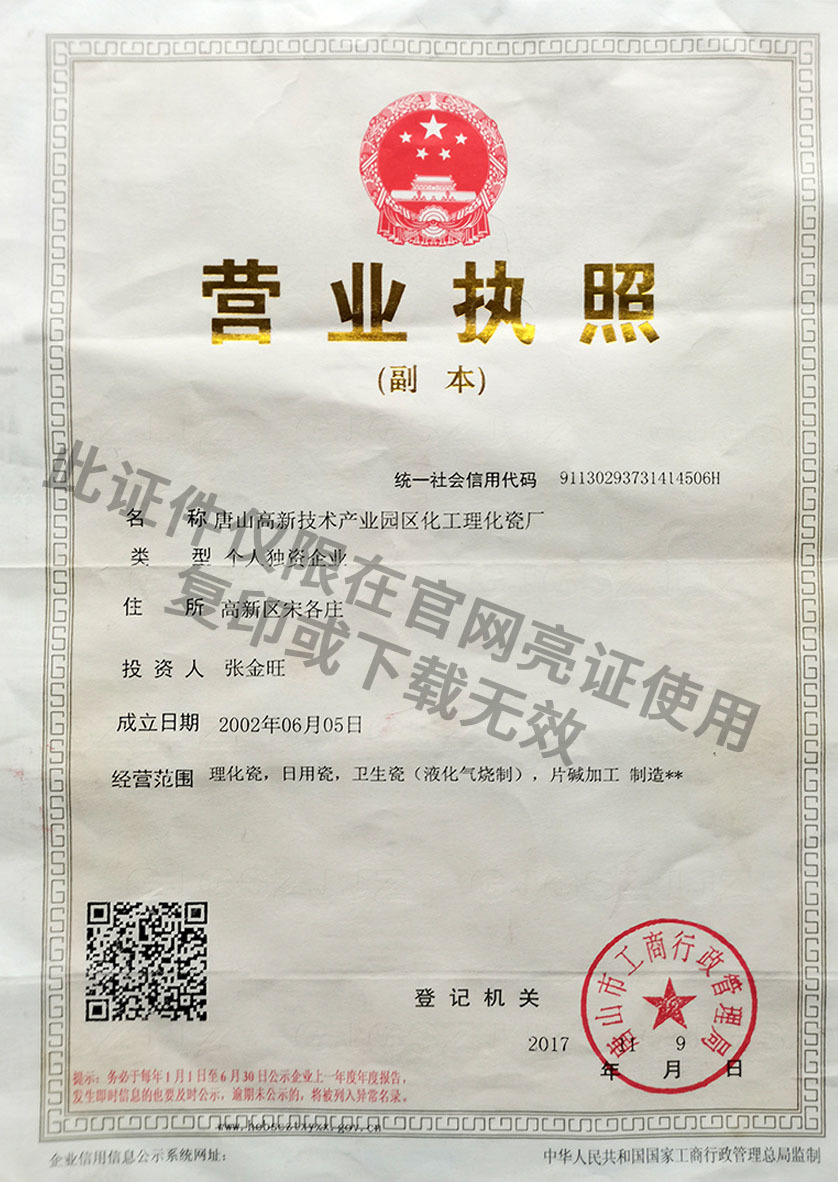
Tangshan High-tech Industrial Park Chemical Physical and Chemical Porcelain Factory
Tangshan Physical and Chemical Ceramics Co., Ltd.
Address: Songgezhuang Chemical and Physical Porcelain Factory, Tangshan High-tech Industrial Development Zone
Telephone: +86-315-5509570 、 +86-315-5509222
Mobile: +86-13903372399 、+86-13832559317
Email: tshglhcc@163.com


Product Center
Follow Us

Online Consultation
If you have any needs, please leave a message, and we will contact you as soon as possible.