Describe the alumina tube material used in large-diameter tube furnaces
2022-01-30
Let's talk about the use of large-diameter tube furnaces Alumina tubes Material description
Large-diameter tube furnaces have two types of protective tubes: closed and straight-through. Insulating tubes come in round and oval shapes, and are available in single, double, and multiple holes. In addition, there are threaded tubes and prismatic tubes. The material is mainly high-alumina corundum. Mainly used for protective tubes and insulating tubes of temperature measuring instruments and thermocouples; furnace tubes of industrial resistance furnaces, experimental furnaces and heat treatment furnaces; chemical analysis of steel carbon tubes and sulfur tubes; other high-temperature, acid and alkali resistant insulating instrument components.
Furnace use Alumina tubes It has the characteristics of high mechanical strength, good thermal conductivity, strong thermal shock resistance, high softening temperature, good insulation performance, good high-temperature high-frequency characteristics, and chemical corrosion resistance.
Analysis of large-diameter tube furnace application projects:
1. Effectively ground the instrument casing to ensure safe use.
2. The instrument should be placed in a well-ventilated room, and flammable and explosive items should not be placed around it.
3. This instrument has no explosion-proof device and does not allow flammable and explosive items.
4. Turn off the power after using the instrument.
5. Do not allow objects to collide with the machine.
6. When steam is introduced into the oven, dehydration must be carried out slowly to prevent water hammer.
7. When the furnace temperature reaches 150 and 320 respectively, maintain a constant temperature to remove adsorbed water and crystalline water.
8. During the oven drying process, strengthen inspection, heating should be slow and uniform, and strictly follow the heating curve of oven drying. If any abnormality is found, please report immediately.
9. After drying, check whether there are cracks in the brickwork, whether the refractory lining is falling off, whether the steel frame and hanger are bent and deformed, whether the furnace tube is deformed, whether the foundation is sinking, etc. If the surface peeling depth of the refractory lining exceeds 15 mm, or the peeling depth reaches one-fifth of the thickness of the refractory layer, it needs to be patched. If the refractory lining cracks more than 3 mm, how to deal with it will be decided by the design unit.
10. Before baking, sample analysis of the water content of the brick sample in the furnace. The water content is less than 7%, which is qualified, and wait for normal startup.
The impact of large-diameter tube furnace heating elements on the heating system:
The greater the current applied to the silicon carbide rod, the higher the surface temperature of the silicon carbide rod. It is recommended to use the smallest possible surface load density (power). Please note that the value recorded at the cold end of the silicon carbide rod is the current and voltage of 1000 in the air, which may not be consistent with the actual use. Generally speaking, the surface power of the silicon carbide rod is obtained from the relationship between the furnace temperature and the silicon carbide rod surface temperature. It is recommended to use 1/2-1/3 of the surface power (W/cm2) of the silicon carbide rod limit density.
The service life of silicon carbide rods is shortened as the operating temperature increases, so after the furnace temperature exceeds 1400, the oxidation rate increases and the service life is shortened. Be careful not to let the surface temperature of the silicon carbide rod be too high during use.
After heating in the air, a dense silicon dioxide film is formed on the surface of the silicon carbide rod, which becomes an anti-oxidation protective film and plays a role in extending its life. In recent years, various coatings have been developed to prevent silicon carbide rods from cracking and are used in furnaces with various gases.
The editor has explained the above Alumina tubes materials, including the impact of tube furnace heating elements on the heating system. Do you understand? If you want to know more Alumina tubes information, you can contact Alumina tubes the manufacturer. Thank you for watching.
Recommended news
2026-05-23
2026-04-08
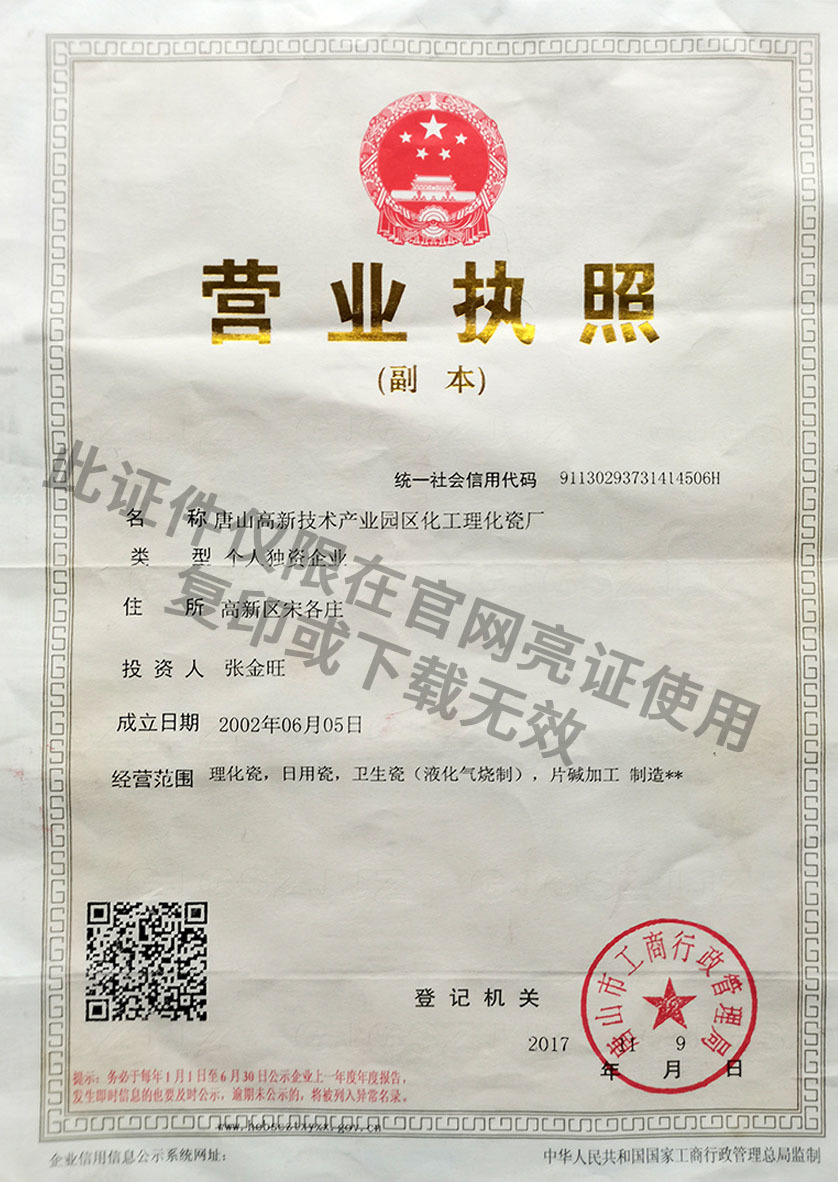
Tangshan High-tech Industrial Park Chemical Physical and Chemical Porcelain Factory
Tangshan Physical and Chemical Ceramics Co., Ltd.
Address: Songgezhuang Chemical and Physical Porcelain Factory, Tangshan High-tech Industrial Development Zone
Telephone: +86-315-5509570 、 +86-315-5509222
Mobile: +86-13903372399 、+86-13832559317
Email: tshglhcc@163.com


Product Center
Follow Us

Online Consultation
If you have any needs, please leave a message, and we will contact you as soon as possible.