Key points for installing graphite crucibles, explained by a corundum crucible manufacturer
2022-02-09
Corundum crucible Manufacturer believes The main use of graphite crucibles is to melt non-ferrous metals such as copper, aluminum, gold, silver, lead, zinc, and alloys, as well as for experiments. Because of the high melting point of metals, other materials and ordinary ceramic crucibles will also melt, which does not meet the requirements. However, the melting point of graphite is 3652, which is relatively ideal, and it has good corrosion resistance and strength. Therefore, graphite crucibles are good containers for smelting non-ferrous metals, and can withstand the melting temperature of most non-ferrous metals without reaching the temperature or not being able to withstand the metal melting temperature.

Corundum crucible Manufacturer believes In the metal smelting process, according to the process requirements, we need the crucible to heat up or cool down quickly, that is, whether the graphite crucible can withstand rapid cooling and heating. For example, when smelting copper alloy, the melting point of copper is 1083.4 degrees Celsius. When the crucible reaches this temperature, the copper metal melts. However, according to the process requirements, it needs to be quickly cooled to a certain value, which puts demands on the crucible. Graphite crucibles are ceramic products, and their properties are the same as ceramics and glass. It cannot withstand rapid cooling and heating, which will cause the crucible to crack, or even crack in severe cases.
Corundum crucible Manufacturer believes Graphite crucibles are widely used in experiments and metal smelting. Graphite crucibles are made of special high-purity, high-strength, and high-density graphite materials. Graphite crucibles, graphite casting crucibles, graphite oil tanks, drawing tubes, drawing sheets, and drawing rod molds and other graphite products can be processed using high-precision CNC machining equipment.
Corundum crucible Manufacturer believes Installation method of graphite crucible:
1. The base of the graphite crucible needs to be equal to or greater than the bottom diameter of the crucible, and the height of the crucible platform needs to be higher than the height of the nozzle to avoid the flame spraying towards the crucible.
2. The refractory bricks used as crucibles should be round refractory bricks, flat and without bending, and there should be no half bricks or uneven bricks. It is best to use imported graphite crucibles.
3. Corundum crucible Manufacturer believes The crucible stand should be placed in the center of melting and melting, using coke powder, plant ash, or refractory cotton as a cushion to avoid adhesion between the crucible and the crucible stand. After the crucible is placed, it should be in the center of melting and placed horizontally.
4. The dimensions between the crucible and the furnace body should match, and the distance between the crucible and the melting wall should be appropriate, at least more than 40 mm.
5. Corundum crucible Manufacturer believes When installing the nozzle for the crucible, there should be a gap of about 30-50 mm between the crucible nozzle and the refractory brick. Nothing should be placed under the crucible nozzle, and the nozzle and the furnace wall should be smoothed with refractory cotton. The furnace wall should be fixed with refractory bricks, and the crucible should be padded with corrugated cardboard with a thickness of about 3 mm as the thermal expansion space after heating.
The above are some knowledge points about graphite crucibles. I hope everyone can carefully learn and understand the relevant knowledge and choose equipment that suits their needs.
Recommended news
2026-05-23
2026-04-08
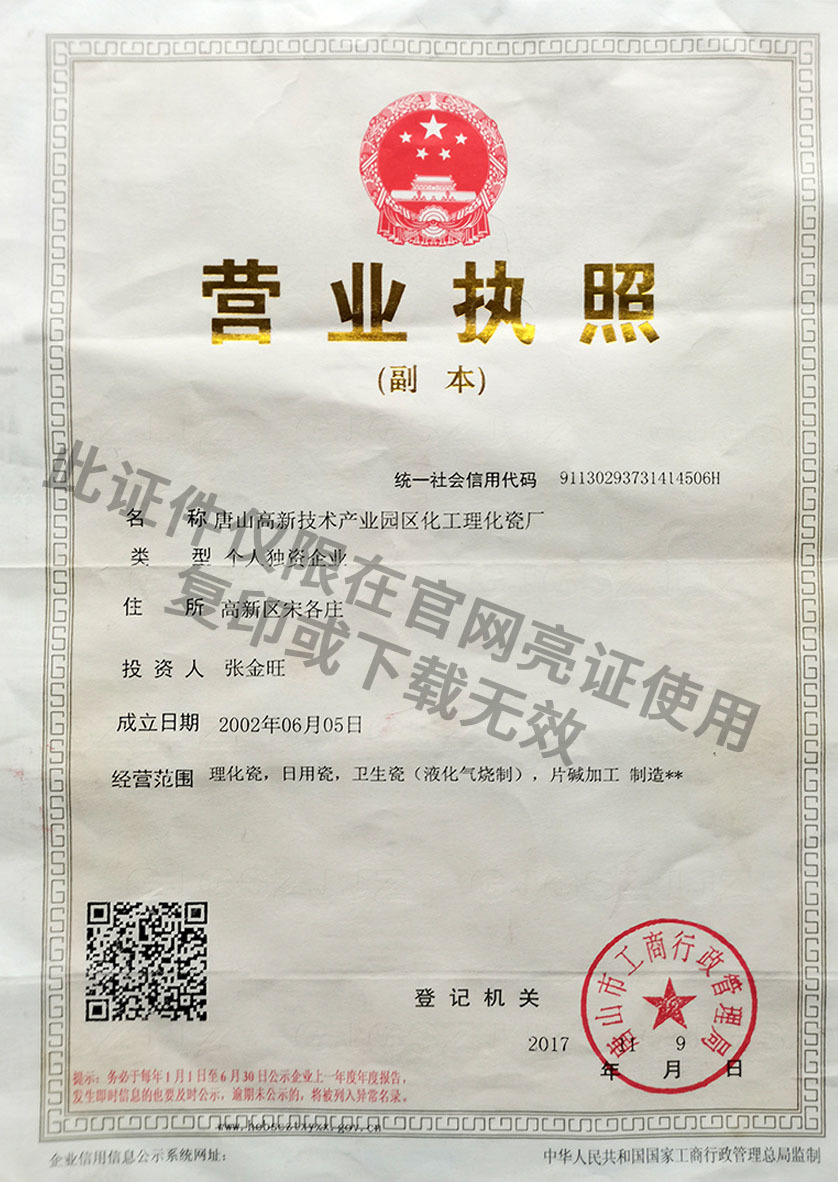
Tangshan High-tech Industrial Park Chemical Physical and Chemical Porcelain Factory
Tangshan Physical and Chemical Ceramics Co., Ltd.
Address: Songgezhuang Chemical and Physical Porcelain Factory, Tangshan High-tech Industrial Development Zone
Telephone: +86-315-5509570 、 +86-315-5509222
Mobile: +86-13903372399 、+86-13832559317
Email: tshglhcc@163.com


Product Center
Follow Us

Online Consultation
If you have any needs, please leave a message, and we will contact you as soon as possible.