Causes and preventive measures for the fracture of corundum tubes in tube furnaces
2022-01-27
Tube furnace Alumina tube Causes and preventive measures of fracture
The most commonly used tube in a tube furnace is Alumina tube . The following is a brief introduction to the precautions for using alumina tubes in tube furnaces:
Alumina tube It has the advantages of high purity and high temperature, but alumina material has poor thermal shock resistance and is not resistant to rapid cooling and heating. Therefore, careful operation is required during use, otherwise it will cause the furnace tube to burst, leading to work interruption and unnecessary losses.
(1) When using an alumina furnace tube to burn samples to around 1300, a low water content is required. For samples with a high content of water of crystallization and water content during heating, it is recommended to pre-burn the samples to dry the water before placing them in the alumina furnace tube for sintering. The newly purchased furnace tube should be heated to 1300 and baked once at a heating rate of 5-8°/min before use to eliminate stress and contaminants. The heating rate should not be too fast, and a cooling curve should be set. The heating rate should not exceed 10°/min, and the cooling rate should be less than 10°/min. Be sure to set the cooling rate to avoid directly pausing the program at high temperatures.
(2) Do not exceed 140° when loading and unloading samples. High-temperature loading and unloading may cause Alumina tube Fracture. Remember not to touch the furnace tube with low-temperature objects at high temperatures. When using alumina tubes, heat-insulating plugs should be placed inside the tube. If an atmosphere is required, the air flow rate should not be too large to avoid large temperature differences causing the furnace tube to break. When using high-temperature alumina furnace tubes, supports should be added to both sides of the tube to prevent deformation and fracture due to gravity.
(3) The main reason for furnace tube explosion is the large temperature difference. It is best to heat and cool the high-temperature furnace tube at 5° per minute. Quenching and heating are important reasons for the fracture of alumina furnace tubes. Finally, keep the inside of the tube clean, clean the inner wall of the furnace tube, and do not leave samples inside the tube.
Alumina tube Summary of experience with alumina crucibles: Based on our experience:
1. Too large a temperature difference. When using, heat-insulating plugs (two on each side) are placed Alumina tube in Alumina tube between the hot zone and the cold zone.
2. At such high temperatures, the middle of the pipe is soft, so the pipe is prone to deformation and breakage. It is recommended to add supports on both sides of the pipe.
3. Also, newly purchased pipes need to be baked several times at different temperatures before we can use them. We usually bake them several times with newly purchased Alumina tube . The temperature is generally maintained for 1 hour at 200 and 1000.
4. It is recommended that the heating rate should not be too fast, not exceeding a faster heating rate of 140/h, and pay special attention to the extremely fast speed of 10/min during cooling! A better heating rate should not exceed 10/min, and the cooling rate should be less than 10/min. Supports can reduce deformation and breakage. The red arrow indicates gravity, and the blue arrow indicates support.
5. In addition to the above support issues; similarly, for samples burned in a tube furnace, especially those burned to around 1300, it is preferable to have a lower water content (water content refers to adsorbed water, water of crystallization, etc., which may be generated during the heating process); it is recommended that your samples be pre-burned before being placed in the tube furnace. It is best not to add or remove samples at high temperatures, as this can easily damage Alumina tube . 6. Do not touch the alumina furnace tube forcefully, do not keep the temperature at 300-900, and do not touch the high-temperature furnace tube with low-temperature objects.
7. Below 500, 5/min; 500-800, 10/min; 800-1000, 5/min; 1000-1400, 3/min; 1400-1600, 2/min
Recommended news
2026-05-23
2026-04-08
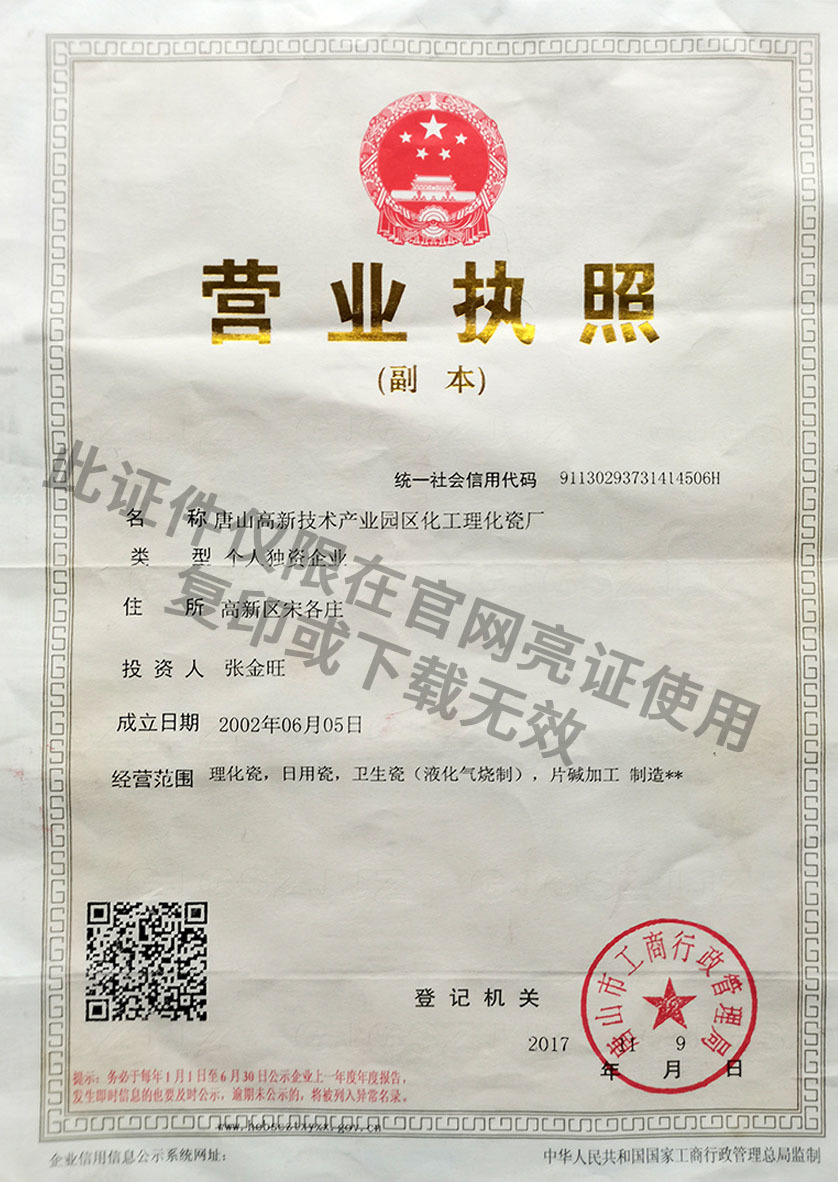
Tangshan High-tech Industrial Park Chemical Physical and Chemical Porcelain Factory
Tangshan Physical and Chemical Ceramics Co., Ltd.
Address: Songgezhuang Chemical and Physical Porcelain Factory, Tangshan High-tech Industrial Development Zone
Telephone: +86-315-5509570 、 +86-315-5509222
Mobile: +86-13903372399 、+86-13832559317
Email: tshglhcc@163.com


Product Center
Follow Us

Online Consultation
If you have any needs, please leave a message, and we will contact you as soon as possible.