What are the classifications of high-temperature ceramics?
2022-11-21
High-temperature ceramic materials are a type of high-temperature structural material with broad development prospects. They have high melting points and can be used as high-quality refractory materials, such as furnaces and high-temperature furnace tubes. They are a type of ultra-hard material with characteristics such as low density, self-lubrication, wear resistance, corrosion resistance (except for hydrofluoric acid, it does not react with other inorganic acids), high-temperature resistance, and strong oxidation resistance. High-temperature ceramics are widely used in machinery due to their high-temperature resistance. So, what are the classifications of high-temperature ceramics? A detailed introduction follows.

1. Alumina High-Temperature Ceramics: High-temperature alumina ceramics (artificial corundum) are a promising high-temperature structural material. It has a very high melting point and can be used as a refractory material, such as crucibles and high-temperature furnace tubes.
2. Silicon Carbide High-Temperature Ceramics: Silicon carbide high-temperature ceramics are also an important structural material. It is an ultra-hard material with low density, lubricity, and wear resistance. Except for hydrofluoric acid, it does not react with other inorganic acids and has strong corrosion resistance; it can also resist oxidation at high temperatures. In addition, it can withstand thermal shock. When heated above 1000°C in air, it can be rapidly cooled and then rapidly heated without cracking.
3. Boron Nitride High-Temperature Ceramics: Appearance and properties of boron nitride high-temperature ceramics: Lubricating, easily absorbs moisture. Boron nitride is a white, insoluble, high-temperature resistant substance. BN can be obtained by eutectic melting B2O3 and NH4Cl or by burning simple boron in NH3. Usually, the boron nitride produced is a graphite-type structure, commonly known as white graphite. Its hardness is almost the same as diamond, and its heat resistance is better than diamond. It is a new type of high-temperature ultra-hard material used to manufacture drill bits, abrasives, and cutting tools.
4. Boron Carbide High-Temperature Ceramics: Boron carbide high-temperature ceramic materials have the properties of light weight, high hardness, wear resistance, impact resistance, and neutron absorption, and have broad application prospects in high-tech industries, nuclear power technology, and national defense industries. It is an important strategic material in the national economy and national defense construction, with wide applications.
High-temperature ceramic materials can also be used to melt certain substances, such as molten steel, iron, and even glass and aluminum. This material comes in many shapes, including square, round, and pot-shaped, and can be customized according to drawings and samples, with freely adjustable dimensions. Generally speaking, common high-temperature ceramic materials include high alumina, corundum, graphite, zirconia, and aluminum nitride. After long-term burning, their appearance may darken. Over time, this will penetrate inward, leading to brittle fracture. Therefore, unclean substances should be cleaned up promptly. When using high-temperature ceramic materials, do not add alkali metal oxides, hydroxides, barium oxide, sodium thiosulfate, substances containing phosphorus and a large amount of sulfur, alkali metal nitrates, oxides, and chlorides. At high temperatures, these will form brittle platinum phosphide and platinum sulfide, easily corroding the high-temperature ceramic material.
Recommended news
2026-05-23
2026-04-08
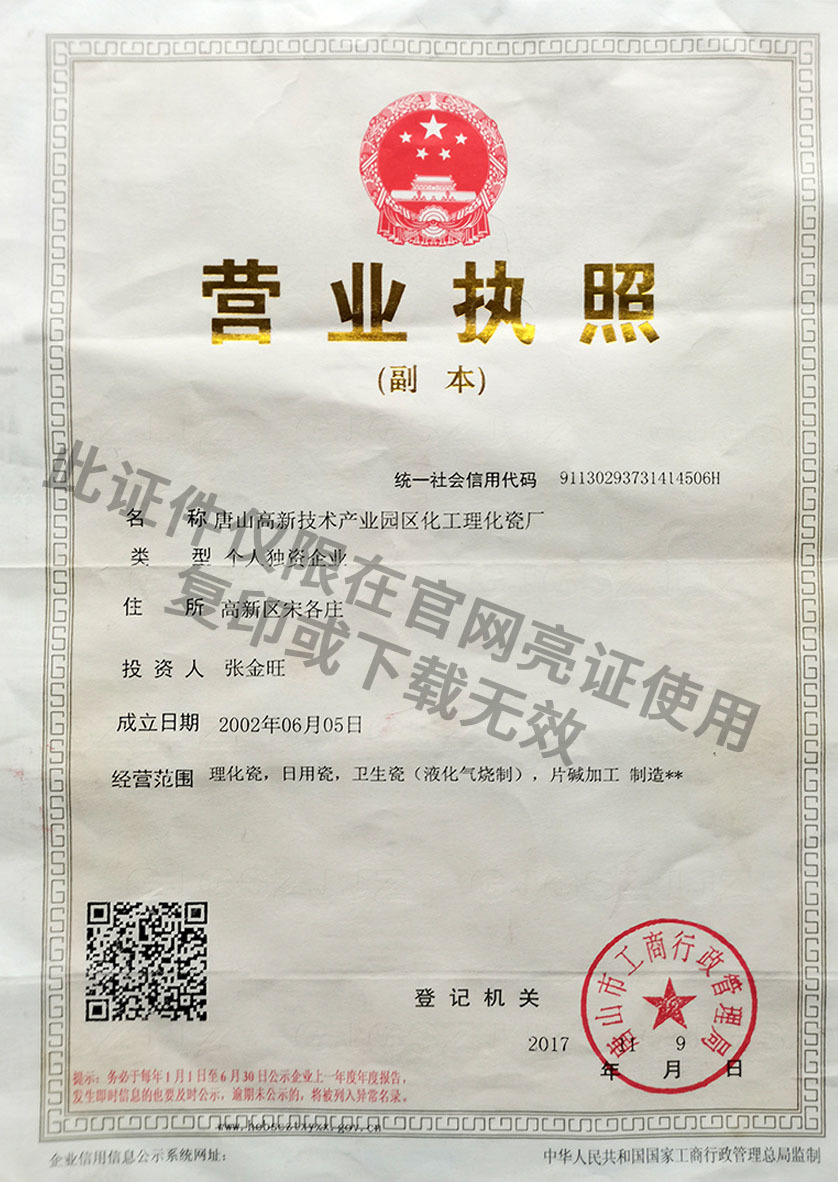
Tangshan High-tech Industrial Park Chemical Physical and Chemical Porcelain Factory
Tangshan Physical and Chemical Ceramics Co., Ltd.
Address: Songgezhuang Chemical and Physical Porcelain Factory, Tangshan High-tech Industrial Development Zone
Telephone: +86-315-5509570 、 +86-315-5509222
Mobile: +86-13903372399 、+86-13832559317
Email: tshglhcc@163.com


Product Center
Follow Us

Online Consultation
If you have any needs, please leave a message, and we will contact you as soon as possible.