What are the advantages of high-temperature ceramics?
2022-11-11
High-temperature ceramics are a type of highly wear-resistant, precision ceramic material widely used in various industries. The main forming methods for high-temperature ceramic products include dry pressing, isostatic pressing, injection molding, and tape casting. Different products with different shapes, sizes, complex shapes, and precision require different forming methods. High-temperature sintering of high-temperature ceramic products can only be processed by diamond grinding. The purity of ordinary high-temperature ceramics is 90%-99.9%.
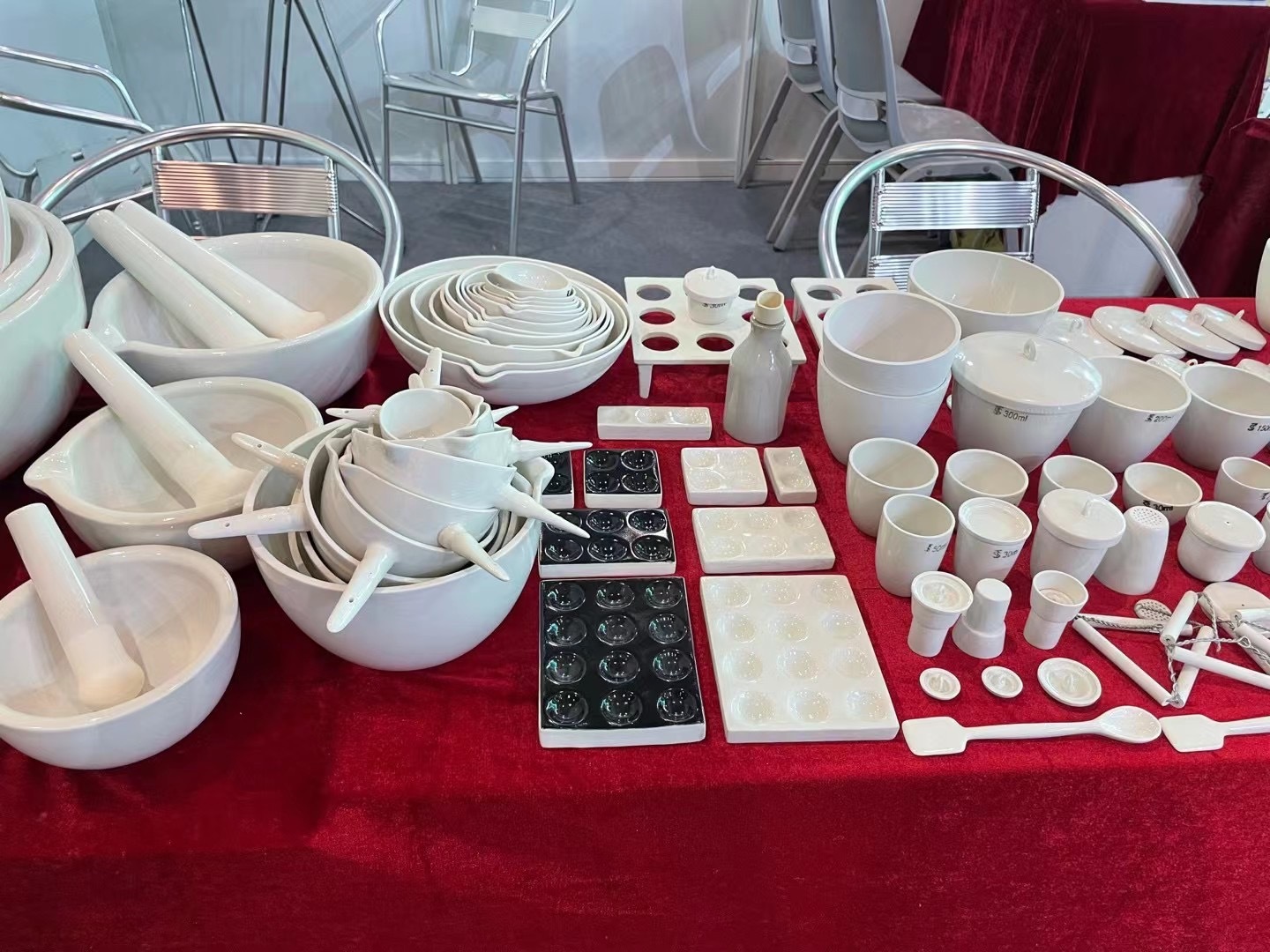
Advantages of high-temperature ceramics: High-temperature ceramics have excellent insulation properties, low high-frequency loss, and good high-frequency insulation; at the same time, they also have characteristics such as heat resistance, low thermal expansion coefficient, high mechanical strength, and good thermal conductivity; in addition, high-temperature ceramics are resistant to chemical corrosion and molten metals. Moreover, they are relatively non-flammable, rust-proof, strong, and durable, possessing superior properties unmatched by other organic and metallic materials. The wear resistance of high-temperature ceramics is the same as that of corundum, but the hardness is also the same as that of corundum. High-temperature ceramics that can reach Mohs hardness 9 have wear resistance comparable to that of cemented carbide.
Properties of High-Temperature Ceramics:
1. High Hardness: According to measurements, the Rockwell hardness of alumina is HRA80-90, second only to diamond, far exceeding the wear resistance of wear-resistant steel and stainless steel.
2. Excellent Wear Resistance: Relevant experiments have determined that the wear resistance of high-temperature ceramic materials is 266 times that of manganese steel and 171.5 times that of high-chromium cast iron. Based on our more than ten years of customer tracking surveys, under the same working conditions, it can at least extend the service life of equipment by more than ten times.
3. Lightweight: The density of high-temperature ceramic materials is 3.7~3.95g/cm³, only half that of steel, which can greatly reduce equipment load. In addition, its application range is also relatively wide, and it can be used in machinery, optical fibers, cutting tools, medical, food, chemical, aerospace and other industries.
Common products of high-temperature ceramics include: sealing accessories, valve seats, mechanical parts, high-temperature electrical insulators, high-voltage insulators, electronic components and substrates, bulletproof armor, bearings, wear-resistant or corrosion-resistant linings, semiconductor components, laser cavities, tower plates, sandblasting nozzles, grinders, microwave components, frictionless clutches, and high-temperature kiln furniture.
High-temperature ceramics have their own advantages and wide applications, such as producing mechanical parts, seals, tools, and other materials with high hardness and wear resistance, as well as producing wear-resistant parts with high wear resistance, lightweight automotive parts, heat insulation parts, gas turbine blades, piston tops and inserts, high-strength and high-toughness ceramics. In addition, corrosion-resistant ceramics with good chemical stability are used in contact with bioenzymes to produce crucibles, heat exchangers, artificial tooth enamel, and other biomaterials used in metal smelting.
Recommended news
2026-05-23
2026-04-08
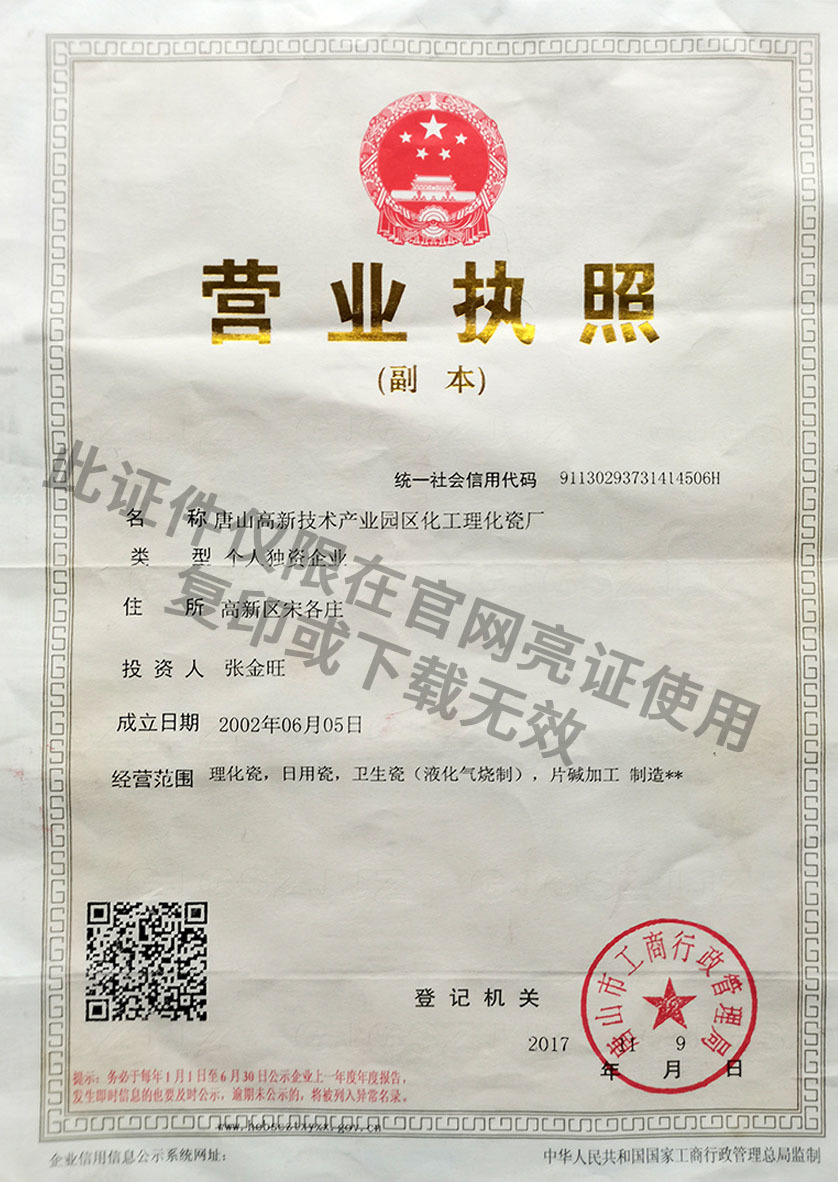
Tangshan High-tech Industrial Park Chemical Physical and Chemical Porcelain Factory
Tangshan Physical and Chemical Ceramics Co., Ltd.
Address: Songgezhuang Chemical and Physical Porcelain Factory, Tangshan High-tech Industrial Development Zone
Telephone: +86-315-5509570 、 +86-315-5509222
Mobile: +86-13903372399 、+86-13832559317
Email: tshglhcc@163.com


Product Center
Follow Us

Online Consultation
If you have any needs, please leave a message, and we will contact you as soon as possible.