What are the precautions for producing alumina ceramic crucibles? Crucible manufacturers will introduce them for you!
2022-11-01
The raw materials for producing porcelain crucibles by porcelain crucible manufacturers can be divided into three categories: first, crystalline natural graphite; second, plastic refractory clay; and third, calcined hard kaolin skeleton mature materials. For example, silicon carbide, alumina, silicon carbide, and ferrosilicon are used as the framework mature materials for crucibles. This mature material plays an important role in improving the product quality, density, and mechanical strength of crucibles. As an important component of chemical equipment, porcelain crucibles are containers for melting and refining metal liquids and heating solid-liquid reactions, and are the basis for the smooth progress of chemical reactions. They were originally made of clay. The earliest use of platinum was with alumina as a raw material, with an alumina content generally above 99%. The higher the alumina content in the material, the higher the sintering temperature, the better the high-temperature resistance, and the stronger the corrosion resistance and excellent chemical stability to acidic and alkaline solutions. Compared with stainless steel crucibles, there are no problems such as burning through or deformation.

So, what are the precautions when producing alumina ceramic crucibles? Porcelain crucible manufacturers will introduce them to you.
1.Melting point 1773.5 °C ,The usage temperature should not exceed 1200°C, and direct heating with an open flame is not allowed.
2.Do not use excessive force to avoid deformation or bumps.
3.Do not use this product to heat or dissolve substances of unknown composition.
4.Do not heat or melt alkali metal oxides, hydroxides, barium oxide, sodium thiosulfate, substances containing phosphorus and a large amount of sulfur. At high temperatures, alkali metal nitrates, oxides, and chlorides will form brittle platinum phosphide and platinum sulfide, leading to corrosion.
5.High-temperature heating must not contact any other metals (iron plates, electric furnaces, etc.). When placing it in a high-temperature furnace, be careful not to touch the electric corner.
6.Do not burn or heat samples and compounds containing heavy metals such as lead, bismuth, tin, arsenic, silver, mercury, and copper.
7.Halogens such as aqua regia, bromine water, hydrochloric acid, and oxidants (chlorates, nitrates, permanganates, manganese dioxide, chromates) must not be processed because ferric chloride has obvious corrosion on them, so it cannot be contacted with ferric chloride.
8.Keep the inside and outside clean and bright. After long-term burning, the appearance may darken. Over time, it will penetrate into the interior, causing brittle fracture, so remove any unclean substances.
Crucibles in the refractory materials industry are usually used to melt certain things, such as molten steel, iron, even glass, and molten aluminum. Crucibles come in many shapes, including square, round, and basin shapes, and can be customized according to drawings and samples, with sizes that can be freely set. Generally speaking, commonly used crucible materials include high alumina, corundum, graphite, zirconia, and aluminum nitride.
The above are the precautions for producing alumina ceramic crucibles shared by porcelain crucible manufacturers. Hope it helps!
Recommended news
2026-05-23
2026-04-08
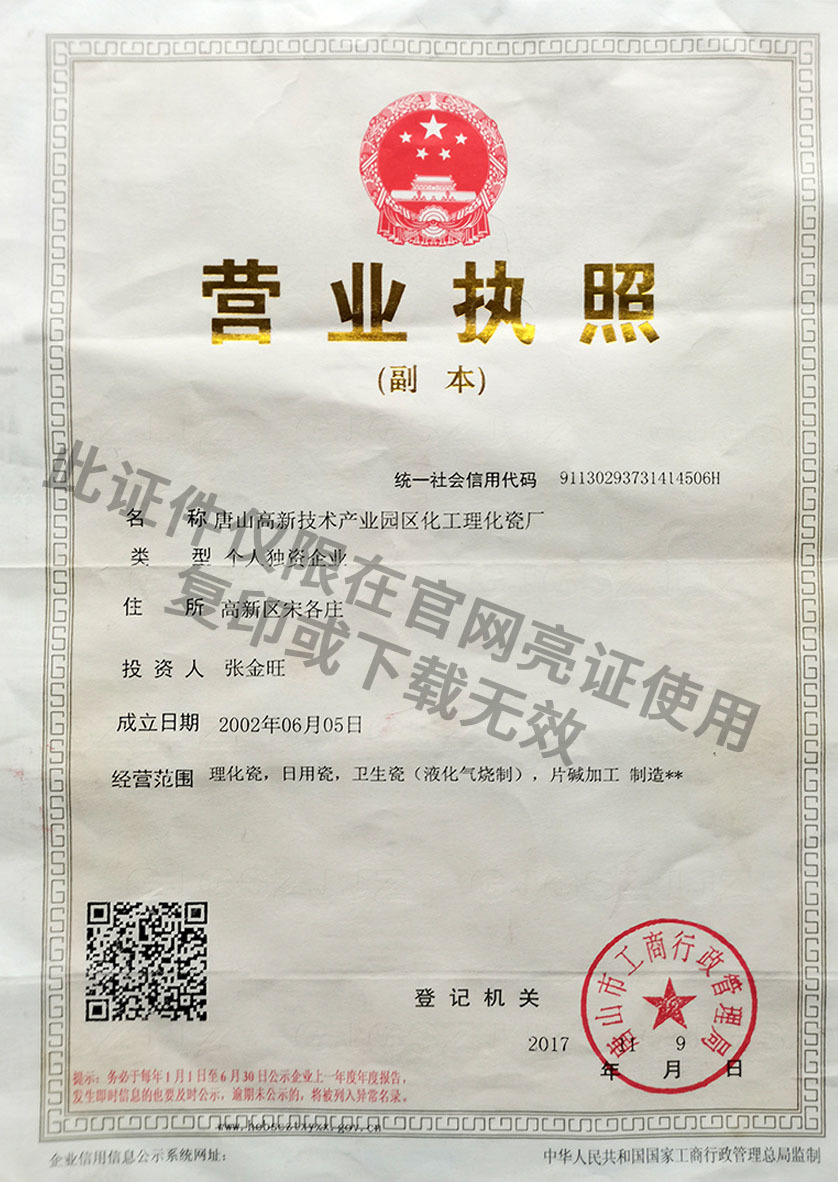
Tangshan High-tech Industrial Park Chemical Physical and Chemical Porcelain Factory
Tangshan Physical and Chemical Ceramics Co., Ltd.
Address: Songgezhuang Chemical and Physical Porcelain Factory, Tangshan High-tech Industrial Development Zone
Telephone: +86-315-5509570 、 +86-315-5509222
Mobile: +86-13903372399 、+86-13832559317
Email: tshglhcc@163.com


Product Center
Follow Us

Online Consultation
If you have any needs, please leave a message, and we will contact you as soon as possible.