Understanding the application characteristics and future prospects of industrial ceramic processing in one minute
2022-07-04
Industrial Ceramics There are many types of industrial ceramics, and different ceramic parts can be made through improved processing techniques. So what is the future prospect of industrial ceramics? Ceramics have different functions and their applications are universal.
Industrial Ceramics have various functions and are widely used. For example, high-toughness and high-wear-resistant ceramics are used to manufacture mechanical parts, hydraulic seals, and CNC tools; ultra-wear-resistant, high-strength, and high-wear-resistant ceramics are used to manufacture wear-resistant and lightweight components for vehicles, high-temperature insulation components, gas turbine blades, piston rod tops, and mold guide columns; corrosion-resistant ceramics with good chemical compatibility with biological organisms are used to manufacture crucibles for smelting, heat exchangers, and biomedical applications such as artificial teeth and bone joints; and ceramics that capture and absorb neutrons are used to manufacture various nuclear reactor structural materials, etc.
In the research of nano-ceramics, Industrial Ceramics it is developing from micrometer to silica products, and many new technologies and processes for preparing nano-ceramic particles have been developed, such as chemical precipitation, sol-gel, and chemical vapor deposition. This shows the resource advantages of producing and manufacturing nanotechnology ceramics.
Researchers have just begun to improve the existing alumina ceramic raw materials, and thus obtained superplastic deformation. This type of raw material not only overcomes the low ductility, but also promotes the further expansion of the application range of the raw materials.
The current market application of alumina ceramics has far exceeded expectations, and its applications are becoming increasingly widespread because it can not only meet the needs of daily life, but also some special requirements, although the application of alumina ceramics in modern society is already very common.
Compared with the other two materials, ceramic substrates have a more prominent relationship with packaging, but the predecessors are constantly being replaced by the successors, and the predecessors are eliminated. Industrial Ceramics The popularization speed is far faster than that of plastics and metals. Whether in the basic steel plate or packaging industry, Industrial Ceramics it often has unique advantages.
Industrial Ceramics It is a type of fine ceramic that can fully exert mechanical, thermal, and chemical functions. Industrially, it has a series of advantages such as heat resistance, corrosion resistance, wear resistance, and erosion resistance. It can replace metal matrix composites and organic polymer materials for use in harsh working environments. It has become an indispensable key raw material in traditional industrial production, emerging industries, and high-tech transformation, and has very broad application prospects in the power, aerospace, machinery, automotive, electronics, and chemical industries.
Recommended news
2026-05-23
2026-04-08
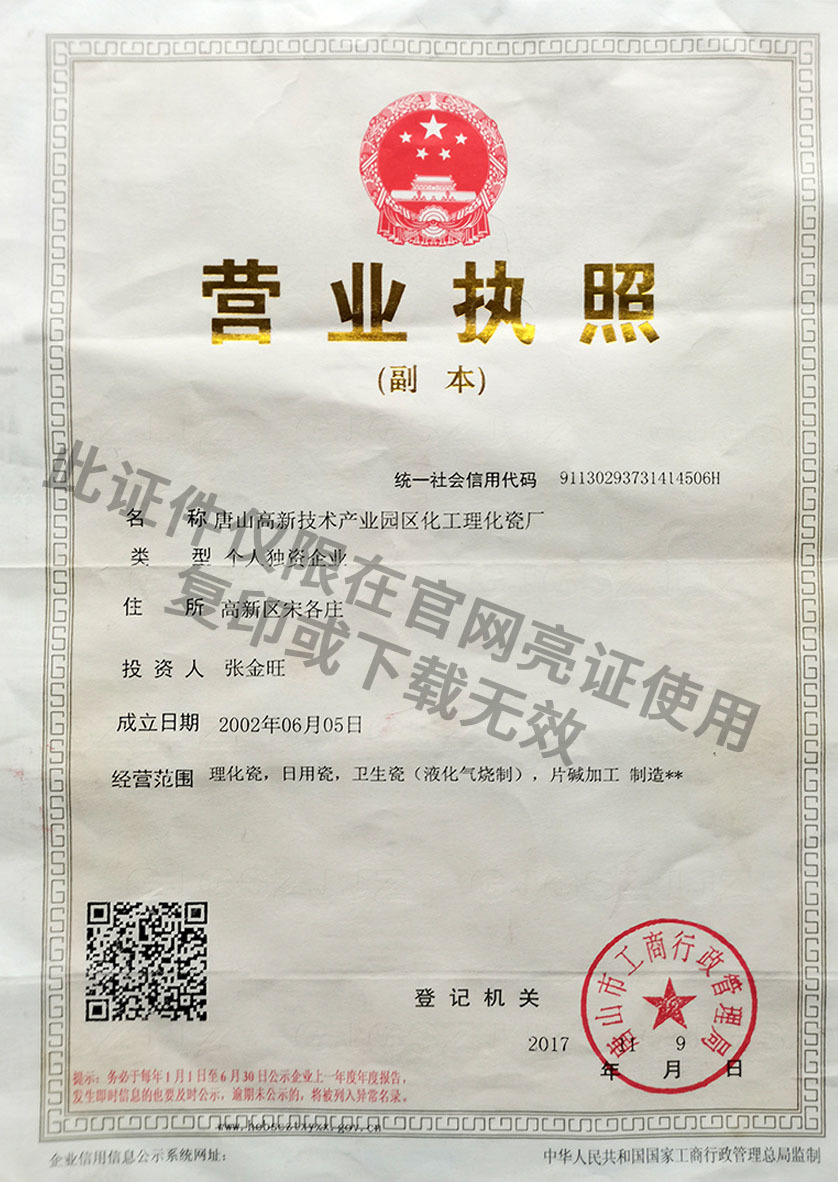
Tangshan High-tech Industrial Park Chemical Physical and Chemical Porcelain Factory
Tangshan Physical and Chemical Ceramics Co., Ltd.
Address: Songgezhuang Chemical and Physical Porcelain Factory, Tangshan High-tech Industrial Development Zone
Telephone: +86-315-5509570 、 +86-315-5509222
Mobile: +86-13903372399 、+86-13832559317
Email: tshglhcc@163.com


Product Center
Follow Us

Online Consultation
If you have any needs, please leave a message, and we will contact you as soon as possible.