What are the characteristics of industrial ceramics?
2022-06-24
Industrial Ceramics The properties of industrial ceramics are determined by their different components, all of which possess excellent properties such as high temperature resistance, wear resistance, and corrosion resistance. Industrial Ceramics These refer to ceramics with special mechanical, physical, or chemical properties, applied in various modern industries and cutting-edge scientific technologies. The raw materials and production processes used are significantly different from and more advanced than those of ordinary ceramics. Some countries call them "precision ceramics," while recently, Chinese materials experts agree that "advanced ceramics" is a better term.
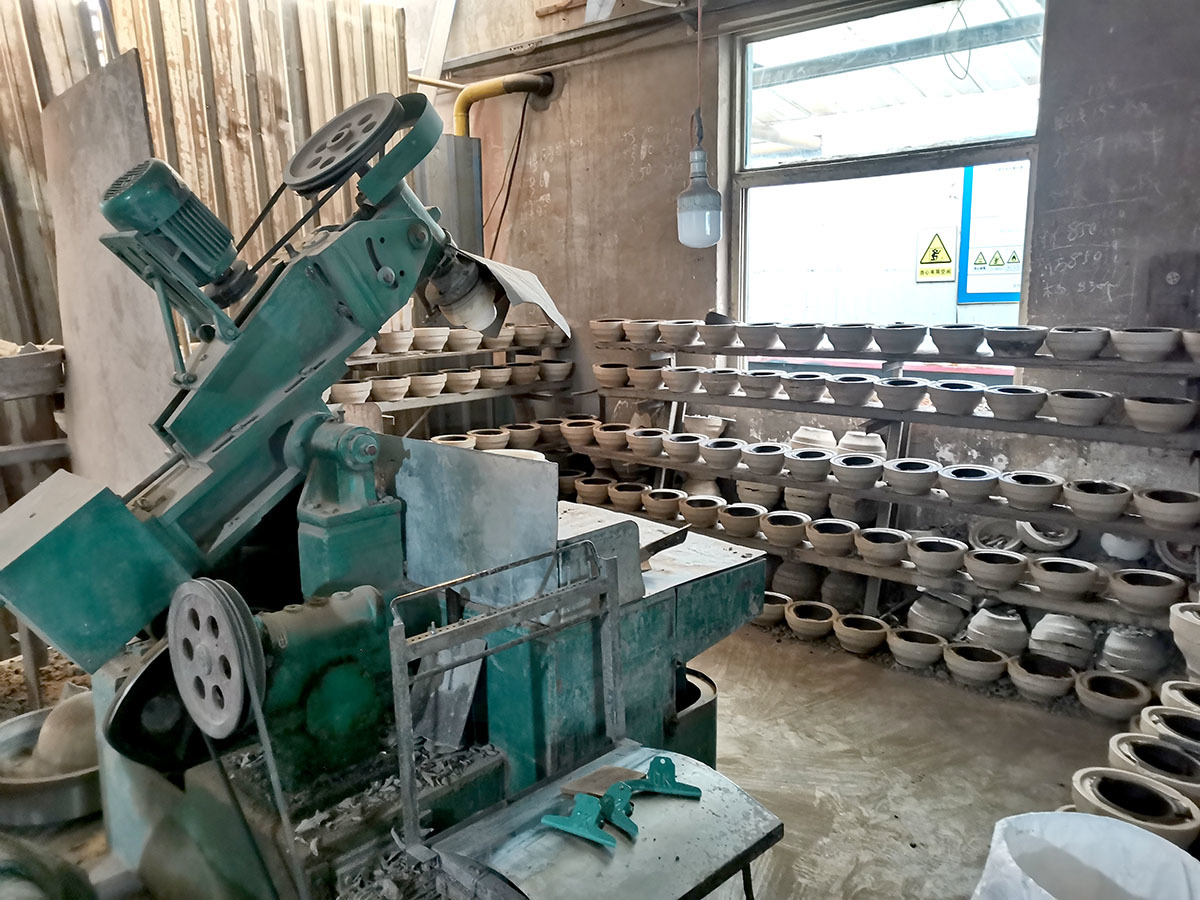
Industrial Ceramics According to their performance characteristics and uses, they can be further divided into structural, functional, and tooling ceramics. Industrial Ceramics By adding specially formulated inorganic materials to the materials and sintering them at around 1360 degrees Celsius, stable and reliable anti-static properties are obtained, resulting in a new type of industrial ceramic that typically possesses one or more functions such as electrical, magnetic, optical, thermal, acoustic, chemical, and biological properties, as well as coupled functions such as piezoelectric, thermoelectric, electro-optic, acousto-optic, and magneto-optic properties.
Industrial Ceramics The different chemical compositions and microstructures determine Industrial Ceramics the different properties and functions, such as high strength, high hardness, high toughness, corrosion resistance, conductivity, insulation, magnetism, light transmission, semiconductor properties, piezoelectricity, photoelectricity, electro-optics, acousto-optics, and magneto-optics.
Due to Industrial Ceramics their special properties, these ceramics can be used as engineering structural materials and functional materials in mechanical, electronic, chemical, metallurgical, energy, medical, laser, nuclear reaction, aerospace, and other fields.
Industrial Ceramics What are the uses?
1. Ordinary Industrial Ceramics Mainly used for electrical porcelain for insulation, chemical porcelain with high acid and alkali resistance, and structural porcelain with low load-bearing requirements, such as insulators, corrosion-resistant containers, pipes, decorative porcelain, and daily tableware.
2. Alumina has a high melting point, high hardness, high strength, good chemical corrosion resistance, and dielectric properties. However, due to its high brittleness, poor impact resistance, and poor thermal shock resistance, it cannot withstand drastic changes in ambient temperature. It can be used to manufacture high-temperature furnace tubes, internal combustion engine liners, spark plugs, etc. It can also be used to manufacture high-hardness cutting tools and is a good material for manufacturing thermocouple insulating sleeves.
3. Due to its high thermal conductivity, it can also be used to manufacture blades, bearings, and other high-temperature strength parts for gas turbines, as well as materials for high-temperature heat exchangers and nuclear fuel packaging materials.
Due to Industrial Ceramics its numerous advantages, such as high-temperature resistance, corrosion resistance, wear resistance, and erosion resistance, it can replace metal and organic polymer materials in harsh working environments and has become an indispensable material in traditional industrial transformation, emerging industries, and high-tech fields. They have very broad application prospects in energy, aerospace, machinery, automotive, electronics, and chemical industries.
Recommended news
2026-05-23
2026-04-08
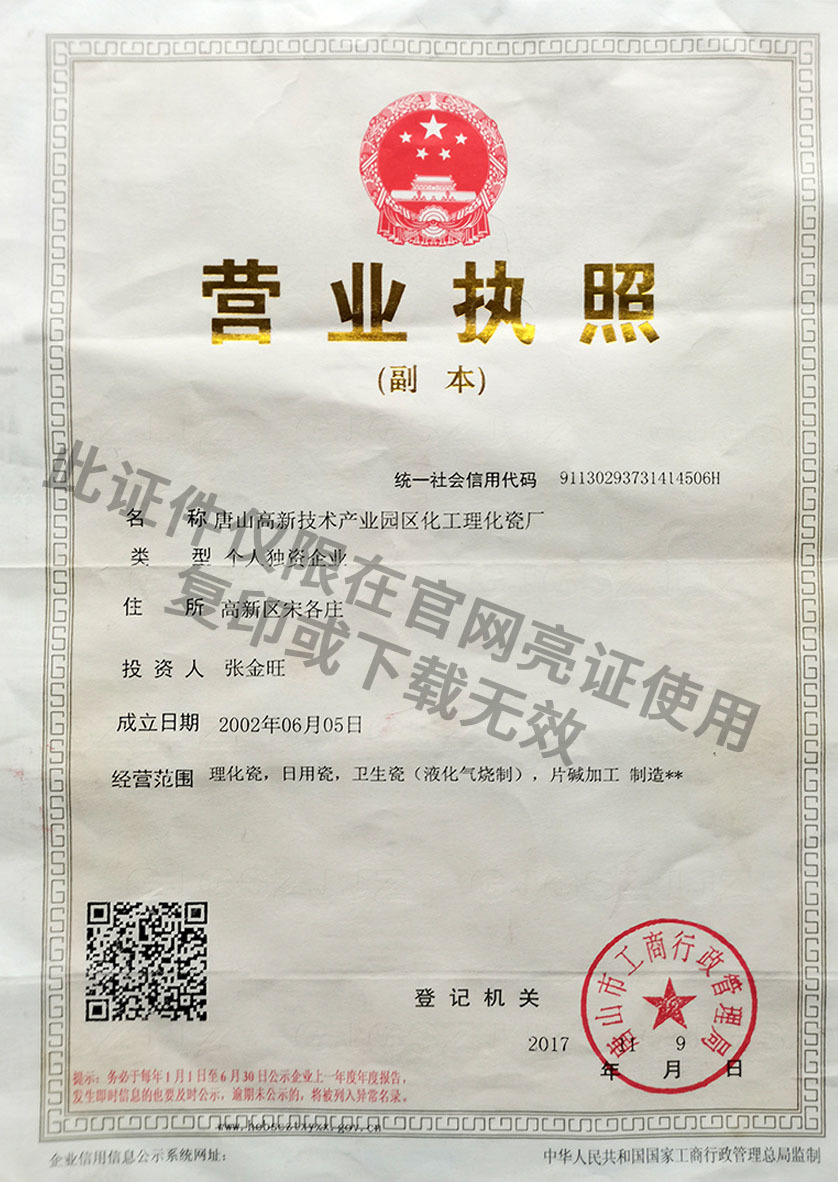
Tangshan High-tech Industrial Park Chemical Physical and Chemical Porcelain Factory
Tangshan Physical and Chemical Ceramics Co., Ltd.
Address: Songgezhuang Chemical and Physical Porcelain Factory, Tangshan High-tech Industrial Development Zone
Telephone: +86-315-5509570 、 +86-315-5509222
Mobile: +86-13903372399 、+86-13832559317
Email: tshglhcc@163.com


Product Center
Follow Us

Online Consultation
If you have any needs, please leave a message, and we will contact you as soon as possible.