Graphite cylindrical crucible: properties, uses, and buying considerations
2026-10-26
Tangshan High-tech
Article overview
This guide covers everything Singapore-based lab and industrial buyers need to know about graphite cylindrical crucibles — from material science and size specifications to sourcing, pricing, and safety best practices. Estimated reading time: 12 minutes.
Table of contents
- 1. What is a graphite cylindrical crucible?
- 2. Key material properties of graphite cylindrical crucibles
- 3. Material comparison: graphite vs. other crucible types
- 4. Size, capacity, and specification guide
- 5. Real-world applications and case studies
- 6. How to choose the right cylindrical crucible
- 7. Sourcing and buying considerations in Singapore
- 8. FAQ
What is a graphite cylindrical crucible?
A cylindrical crucible is a straight-walled, round-cross-section refractory container used to melt, hold, or process materials at high temperatures inside a furnace or heating system. The graphite variant is among the most widely used in industrial and laboratory settings because it combines exceptional thermal conductivity, high-temperature stability, and natural resistance to thermal shock — properties that few other materials can match simultaneously.
Unlike tapered or conical designs, the cylindrical crucible geometry offers uniform wall thickness throughout its height. This uniformity is not merely cosmetic. In induction melting setups, a consistent round profile ensures even electromagnetic coupling with the coil, which directly translates to more efficient and predictable heating. Think of it like a solenoid and its core: any deviation from a perfect cylinder disrupts the magnetic field uniformity and wastes energy.
Graphite as a base material has been refined significantly over the past two decades. Today's isostatic-pressed graphite crucibles achieve carbon purity levels exceeding 99.9%, making them suitable not just for base metal melting but also for precious metal refining, semiconductor crystal growth, and thermogravimetric analysis (TGA). The global graphite crucible market was estimated at over USD 1 billion in 2025, with a compound annual growth rate of approximately 5–7% projected through 2028, driven in part by the rapid expansion of silicon carbide (SiC) power device manufacturing and induction furnace adoption across Asia.
Why the cylindrical shape matters more than most buyers realise
Many procurement teams treat crucible shape as a secondary consideration after material grade. That is a costly oversight. The cylindrical form factor directly influences three critical performance variables: induction coupling efficiency, thermal stress distribution, and pour residue volume. A tapered crucible, for instance, concentrates mechanical stress at the base during rapid thermal cycling, which accelerates crack initiation. The straight-walled round crucible spreads stress more evenly along the axis, extending service life — particularly relevant for high-cycle operations such as daily gold refining or continuous semiconductor substrate production.
Common misconceptions about graphite crucibles
A persistent industry misconception is that "all graphite crucibles are essentially the same." In reality, the binder system, graphite purity, grain size, and surface coating can cause performance differences of several hundred degrees in effective operating temperature and a three- to five-fold variation in service life. A cheap clay-bonded graphite crucible and an isostatically pressed high-purity graphite crucible may look identical on a shelf, yet behave entirely differently under a 1,600 °C induction melt cycle. Buyers who focus solely on unit price often find that total cost of ownership is significantly higher due to frequent replacement and contamination losses.
Key material properties of graphite cylindrical crucibles
Graphite cylindrical crucibles derive their performance advantage from a unique combination of physical and chemical properties. Understanding these properties allows buyers to match crucible specifications precisely to their process requirements rather than defaulting to general-purpose grades.
Thermal properties
High-purity isostatic graphite can operate continuously at temperatures up to 3,000 °C in inert or reducing atmospheres, though practical furnace applications typically stay within the 1,400–2,200 °C range. Thermal conductivity ranges from 85 to 150 W/m·K depending on grade and orientation — substantially higher than alumina (approximately 30 W/m·K) or silicon carbide (approximately 120 W/m·K at room temperature, dropping sharply at elevated temperatures). This high conductivity means the crucible heats and cools rapidly, which is both an asset in cycle-time-sensitive operations and a risk if ramp rates are not controlled.
Thermal shock resistance is another critical metric. Actual testing in induction furnace environments has shown that high-purity graphite crucibles can withstand temperature differentials exceeding 1,000 °C without cracking, provided wall thickness is adequate and heating rates do not exceed approximately 15–20 °C per minute during the initial warm-up phase from room temperature.
Chemical resistance and atmosphere compatibility
Graphite is chemically inert to most molten metals and fluxes at operating temperature, making the graphite crucible the preferred heat resistant crucible for gold, silver, platinum, copper, and aluminium melting. However, it reacts with oxygen above approximately 500 °C. In oxidising atmospheres, a protective glaze or silicon carbide coating is essential to prevent rapid oxidative degradation. For applications in air atmospheres — such as open-air laboratory muffle furnaces — an alumina crucible or ceramic crucible may be more appropriate despite lower thermal conductivity.
"The selection of crucible material should begin with atmosphere compatibility, not temperature rating. A graphite crucible rated to 2,800 °C in argon is effectively limited to under 600 °C in air without protective coating. Matching atmosphere to material is the single most critical decision in crucible selection." — Materials Processing Engineering consensus, 2026 industry review.

Material comparison: graphite vs. other crucible types
Selecting between graphite, alumina, quartz, and zirconia crucibles requires clear understanding of where each material excels and where it fails. The table below provides a direct side-by-side comparison based on published material data and real-world operational findings from laboratory and industrial sources as of 2026.
| Material | Max temp (inert) | Max temp (air) | Thermal shock resistance | Key limitation | Typical use |
|---|---|---|---|---|---|
| Graphite | 3,000 °C | ~500 °C (uncoated) | Excellent | Oxidation in air | Induction melting, precious metals |
| Alumina (Al₂O₃) | 1,750 °C | 1,750 °C | Moderate | Brittle under rapid cycling | Laboratory analysis, TGA |
| Fused quartz (SiO₂) | 1,650 °C | 1,100 °C (continuous) | Very good | Devitrification above 1,100 °C | Silicon crystal growth, photovoltaics |
| Zirconia (ZrO₂) | 2,400 °C | 2,200 °C | Poor (without stabiliser) | High cost, phase transformation risk | Reactive metal melting (Ti, Zr) |
| Silicon carbide (SiC) | 1,600 °C | 1,400 °C | Good | Reactive with some molten metals | Zinc, aluminium, bronze melting |
When to choose alumina over graphite
The alumina crucible (also referred to as a laboratory crucible in many procurement catalogues) is the default choice for analytical chemistry applications where air atmospheres are unavoidable and contamination from carbon must be eliminated. TGA instruments, for example, require crucible pots that do not contribute any carbonaceous signal to the measurement baseline. In such cases, the graphite cylindrical crucible is wholly unsuitable regardless of its superior thermal properties. The refractory crucible in alumina form also handles aggressive oxidising fluxes better than graphite in fusion-based sample preparation workflows.
SiC-bonded graphite crucibles: the middle-ground option
For buyers who need better oxidation resistance than pure graphite but higher thermal conductivity than alumina, silicon carbide-bonded graphite crucibles offer a practical compromise. The SiC phase forms a self-healing oxide layer on the surface that limits further oxidation, extending air-atmosphere service life significantly. These are widely used in crucible furnace setups for non-ferrous metal melting — particularly zinc and aluminium alloys — in Singaporean manufacturing facilities.
Size, capacity, and specification guide
Matching the physical dimensions of a cylindrical crucible to your furnace geometry and batch volume is as important as selecting the right material. A mismatch here causes poor induction coupling, inadequate melt volume, or mechanical interference with the crucible holder — all of which are avoidable with the right reference data.
Standard dimensions for graphite cylindrical crucibles
The table below lists common industry-standard sizes. Custom dimensions are available from most manufacturers, typically with a minimum order quantity (MOQ) of 10–50 pieces and lead times of 3–6 weeks from Chinese suppliers. Note that outer diameter (OD) must be matched to the inner bore of your induction coil, with a typical clearance of 5–10 mm per side recommended for thermal expansion.
| Size code | Outer diameter (mm) | Inner diameter (mm) | Height (mm) | Wall thickness (mm) | Approx. capacity (mL) |
|---|---|---|---|---|---|
| GCC-50 | 50 | 40 | 60 | 5 | ~75 mL |
| GCC-80 | 80 | 66 | 100 | 7 | ~340 mL |
| GCC-120 | 120 | 100 | 150 | 10 | ~1,180 mL |
| GCC-200 | 200 | 174 | 250 | 13 | ~5,950 mL |
| GCC-300 | 300 | 268 | 380 | 16 | ~21,400 mL |
Wall thickness and its effect on heating performance
Thicker walls improve mechanical durability but reduce heating efficiency in induction systems. For a given coil frequency, a wall that is too thick relative to the electromagnetic skin depth will absorb less inductive energy, increasing melt time and energy consumption. Actual process testing suggests that wall thicknesses between 8 and 14 mm represent the optimal balance for medium-frequency (1–10 kHz) induction furnaces commonly used in Singapore's jewellery and electronics manufacturing sectors. Tube crucible configurations with walls thinner than 6 mm are better suited to resistive heating furnaces where inductive coupling is not a factor.
Real-world applications and case studies
The graphite cylindrical crucible performs across a surprisingly wide range of industries. Understanding where it excels — and where it has failed — provides practical grounding that specification sheets alone cannot offer.
Induction melting of precious metals
In Singapore's active precious metals trading and refining sector, compact induction furnaces paired with round crucibles in the GCC-80 to GCC-120 size range are the standard setup for gold and silver melting. Based on real operational cases from local refiners, an isostatic-pressed graphite crucible in this application typically achieves 80–120 melt cycles before showing measurable wall thinning. The cylindrical crucible's straight walls allow consistent pour control and minimal metal residue, which is commercially significant when processing metals valued at over SGD 100 per gram.
Why do so many operators still underestimate the role of crucible geometry here? A tapered design retains more residual melt in the corner radius at the base — a small but meaningful loss in high-value metal processing. The round crucible with flat base eliminates this dead-volume problem effectively.
Thermogravimetric analysis (TGA) in laboratory settings
TGA instruments in Singapore's university and semiconductor R&D facilities typically use small-format cylindrical crucibles — often 100 µL to 900 µL capacity — made from alumina or platinum. While graphite is not suitable here due to atmosphere constraints, understanding this application helps buyers distinguish between a laboratory crucible for analytical use and a melting crucible for industrial use. The high temperature crucible used in TGA must contribute zero mass change to the measurement, which demands materials with extremely stable stoichiometry above 1,000 °C.
Silicon carbide power device manufacturing
Singapore accounts for approximately 20% of global semiconductor equipment output according to recent Economic Development Board figures. The ramp-up of SiC wafer production — driven by electric vehicle and industrial power conversion demand — has increased local procurement of high-purity graphite crucibles for sublimation growth furnaces. These crucibles operate at 2,000–2,300 °C in argon atmosphere, and carbon purity requirements exceed 99.99%. Off-specification crucibles in this context risk introducing metallic impurities into the SiC boule, resulting in defective wafers and significant downstream losses. Procurement teams in this sector typically require full material certification with ICP-MS trace element analysis per batch.
How to choose the right cylindrical crucible
Choosing a cylindrical crucible is a structured decision, not a catalogue browse. Following a systematic approach avoids the common mistakes of over-specifying (paying for purity you don't need) or under-specifying (selecting a grade that fails prematurely).
Step-by-step selection process
- Define your process atmosphere — oxidising (air), inert (argon/nitrogen), or reducing (H₂/CO). This single factor eliminates or confirms graphite as a candidate immediately.
- Establish your maximum operating temperature — add 10% margin to your peak process temperature to identify the minimum material rating required.
- Determine batch volume — calculate melt volume (in mL) accounting for density of the molten material, then add a 20–25% headspace allowance to prevent overflow during degassing.
- Match OD to your coil bore — confirm inner bore diameter of the induction coil or resistance furnace chamber, subtract the recommended 10–20 mm total clearance, and select the next standard OD below that value.
- Select graphite grade based on purity requirement — clay-bonded for general non-ferrous melting; SiC-bonded for better oxidation resistance; isostatic-pressed high-purity for precious metals and semiconductor applications.
- Specify wall thickness relative to heating method — thinner walls (6–10 mm) for induction furnaces; thicker walls (12–18 mm) for resistance furnaces where mechanical load-bearing is more critical than inductive efficiency.
- Request material certification — at minimum, a certificate of conformance stating graphite grade, density, ash content, and maximum service temperature. For semiconductor-grade, insist on ICP-MS trace metal analysis.
Safe operating guidelines and ramp rate recommendations
Thermal shock is the leading cause of premature crucible failure in practice. Graphite cylindrical crucibles, despite their excellent theoretical thermal shock resistance, are vulnerable during the first heat cycle if improperly handled. The following ramp rate guidelines are drawn from manufacturer recommendations and operational experience in induction furnace environments. During initial heat-up from ambient temperature: ramp at no more than 10 °C per minute up to 200 °C to drive off any absorbed moisture, hold for 15–20 minutes, then increase to 15–20 °C per minute up to operating temperature. Never place a cold graphite crucible directly into a furnace already above 300 °C.
Of course, there are situations where rapid heating is unavoidable — production throughput demands may conflict with ideal ramp rates. In those cases, a preheating station to bring the crucible to at least 150–200 °C before furnace insertion is a practical compromise that significantly reduces thermal shock risk without halting the production line.
Sourcing and buying considerations in Singapore
Singapore has no domestic graphite crucible manufacturing capacity. All cylindrical crucibles used locally are imported — primarily from Chinese manufacturers, with some European and Japanese premium-grade suppliers serving semiconductor and precision applications. This import dependency shapes the entire procurement landscape in terms of lead times, minimum order quantities, and total landed cost.
Pricing, GST, and lead time reference (2026)
Pricing for graphite cylindrical crucibles in Singapore as of 2026 varies significantly by grade and size. General reference ranges (exclusive of 9% GST) for common sizes procured through local distributors or direct-import channels are as follows: small laboratory-scale crucibles (GCC-50 equivalent, standard grade) typically range from SGD 15–40 per piece; medium industrial sizes (GCC-120 equivalent) range from SGD 80–200 per piece; and large-format crucibles (GCC-300 equivalent, standard grade) commonly price between SGD 350–800 per piece. Isostatic-pressed high-purity grades carry a 2x–4x premium over standard clay-bonded equivalents. These figures are indicative; actual quotes depend on supplier, order volume, and current freight rates.
Standard air freight lead times from Chinese suppliers to Singapore run 5–10 business days for stock items. Sea freight reduces cost by 60–70% but extends lead time to 20–35 days depending on port congestion. For critical production environments, maintaining a local safety stock of 4–6 weeks' consumption is the industry consensus in Singapore's semiconductor and precision manufacturing sectors. GST at 9% applies to all imports at the point of customs clearance; ensure your landed cost calculations include this, as it is a frequently overlooked line item in total cost comparisons between local distributors and direct import options.
What to look for in a supplier
Beyond price, a reliable cylindrical crucible supplier for Singapore-based buyers should meet several criteria. First, they must offer consistent material certification with each shipment — not just a one-time sample certificate. Second, their quality control process should include dimensional inspection (OD, ID, height, wall thickness) with stated tolerances, typically ±1–2% for standard grades. Third, for buyers of more than 20 pieces per order, a first-article inspection (FAI) process is strongly recommended before committing to full batch production. Fourth, check whether the supplier stocks common sizes locally in Singapore or at a regional hub in Malaysia — this is a decisive factor for urgent replacement needs. Understanding the full range of crucible types and materials will also help you evaluate alternative materials if your primary graphite grade becomes subject to export licensing restrictions, which is an increasingly relevant consideration given China's tightening graphite export controls in 2025–2026.
Conclusion
The graphite cylindrical crucible is a high-performance, application-specific component — not a commodity. Its straight-walled round geometry delivers measurable advantages in induction coupling efficiency, thermal stress distribution, and pour cleanliness that directly affect process output quality and operating cost. Whether you are a laboratory procurement officer in a Singapore university, a materials engineer specifying crucibles for SiC wafer growth, or an industrial buyer sourcing melting containers for a precious metals refinery, the selection decision deserves the same rigour as any other process-critical component. By matching material grade to atmosphere, sizing the cylindrical crucible precisely to your furnace and batch requirements, and sourcing from certified suppliers with transparent QC documentation, you will achieve the best balance of performance, service life, and total cost of ownership that this class of refractory crucible can deliver.
Frequently asked questions
Q: What is the maximum temperature a graphite cylindrical crucible can withstand?
A: In an inert or reducing atmosphere (argon, nitrogen, or vacuum), isostatic-pressed graphite crucibles can operate continuously up to approximately 2,800–3,000 °C. In air without protective coating, practical use is limited to below 500 °C due to oxidation. Always confirm your furnace atmosphere before selecting grade.
Q: How many melt cycles can I expect from a graphite crucible used for gold melting?
A: Based on real operational data from Singapore precious metals refiners, a high-purity isostatic graphite crucible in a medium-frequency induction furnace typically delivers 80–120 melt cycles before wall thinning requires replacement. Clay-bonded grades typically achieve 30–60 cycles under the same conditions.
Q: Can I use a graphite cylindrical crucible in an open-air muffle furnace?
A: Not recommended for sustained use above 500 °C without an oxidation-resistant coating. Uncoated graphite oxidises rapidly in air at elevated temperatures, leading to surface degradation and carbon contamination of the melt. For open-air applications above 500 °C, an alumina crucible or SiC-bonded graphite with glaze coating is a more appropriate choice.
Q: What is the typical lead time and cost for ordering graphite crucibles in Singapore?
A: Standard-grade crucibles shipped by air freight from China arrive in 5–10 business days. Indicative SGD prices (ex-GST) range from SGD 15–40 for small sizes to SGD 350–800 for large industrial sizes. Add 9% GST and freight when comparing local distributor prices to direct-import quotes.
Q: Is a cylindrical crucible better than a tapered crucible for induction melting?
A: For induction melting specifically, the cylindrical crucible's uniform round profile provides more consistent electromagnetic coupling with the coil, reducing hot spots and improving melt homogeneity. It also minimises pour residue due to its flat base geometry. Tapered designs may suit certain tipping-furnace configurations but are generally less efficient in fixed-coil induction setups.
Recommended news
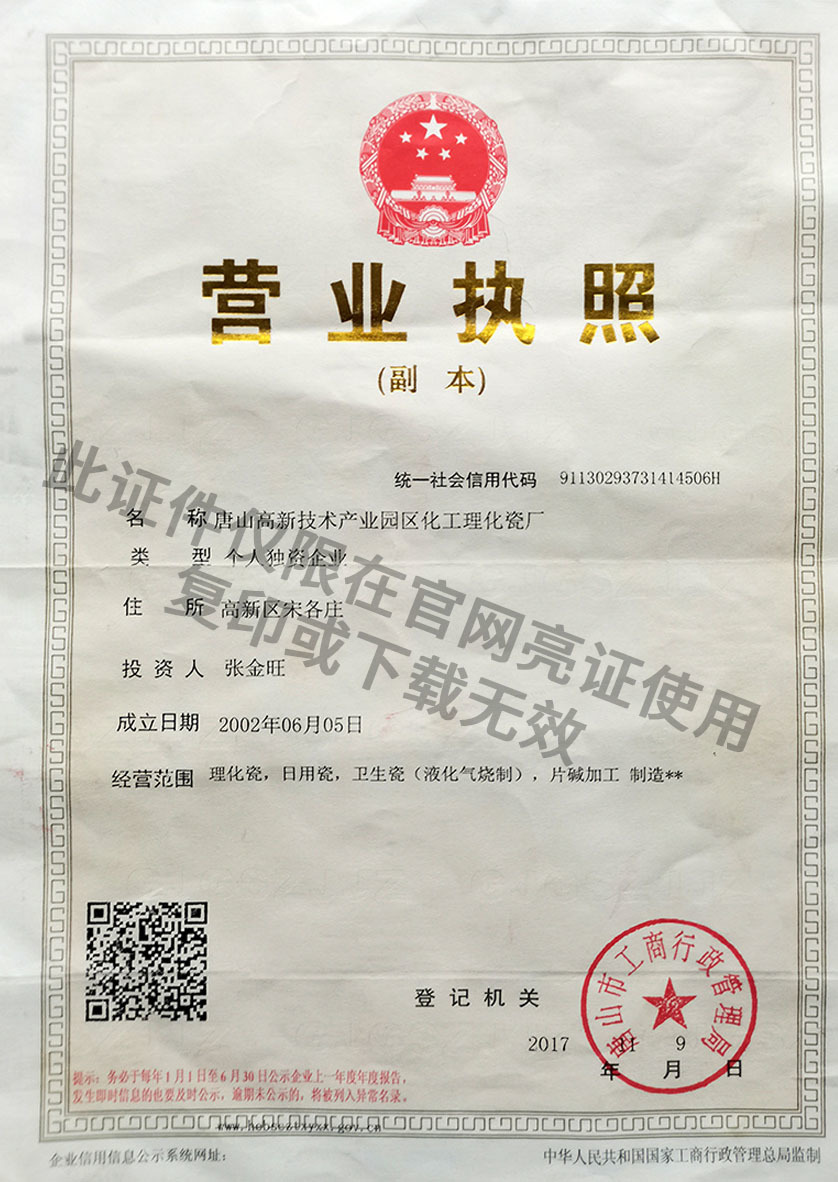
Tangshan High-tech Industrial Park Chemical Physical and Chemical Porcelain Factory
Tangshan Physical and Chemical Ceramics Co., Ltd.
Address: Songgezhuang Chemical and Physical Porcelain Factory, Tangshan High-tech Industrial Development Zone
Telephone: +86-315-5509570 、 +86-315-5509222
Mobile: +86-13903372399 、+86-13832559317
Email: tshglhcc@163.com


Product Center
Follow Us

Online Consultation
If you have any needs, please leave a message, and we will contact you as soon as possible.