language
Environmental advantages of industrial ceramics: An important component of sustainable development
2025-03-10
Environmental Advantages of Industrial Ceramics: A Key Component of Sustainable Development In today's era of scarce resources and environmental degradation, we increasingly need to consider how to achieve sustainable development. When it comes to environmental protection, industrial ceramics, as an important material, are undoubtedly something we cannot ignore. Its applications in modern industry are becoming increasingly widespread, and products such as straight crucible show great advantages in environmental protection. What are industrial ceramics? Industrial ceramics refer to ceramic materials used in industrial production, usually with excellent high-temperature resistance, corrosion resistance, and mechanical strength. They are not only used in traditional pottery making but also play an important role in electronics, chemical engineering, and metallurgy. For example, the straight crucible is a typical industrial ceramic, widely used in high-temperature processes such as metal melting and glass manufacturing. Environmentally Friendly Material Selection First, the raw materials of industrial ceramics usually come from nature, mainly clay, bauxite, silica, etc., and do not contain harmful substances. Compared with plastics and metals, ceramics have a much smaller impact on the environment during production. When using straight crucibles for metal smelting, it can not only effectively reduce the consumption of natural resources but also reduce the emission of industrial wastewater and waste gas. Energy Efficiency and Recycling Secondly, industrial ceramics
Environmental Advantages of Industrial Ceramics: A Key Component of Sustainable Development
In today's era of scarce resources and environmental degradation, we increasingly need to consider how to achieve sustainable development. When it comes to environmental protection, industrial ceramics, as an important material, are undoubtedly something we cannot ignore. Its applications in modern industry are becoming increasingly widespread, and products like straight cylindrical crucibles, in particular, demonstrate significant advantages in terms of environmental protection.
What are Industrial Ceramics?
Industrial ceramics refer to ceramic materials used in industrial production, typically possessing excellent high-temperature resistance, corrosion resistance, and mechanical strength. They are not only used in traditional pottery making but also play an important role in electronics, chemical engineering, and metallurgy. For example, the straight cylindrical crucible is a typical industrial ceramic, widely used in high-temperature processes such as metal melting and glass manufacturing.
Environmentally Friendly Material Selection
First, the raw materials for industrial ceramics usually come from nature, mainly consisting of clay, bauxite, and silica, and do not contain harmful substances. Compared to plastics and metals, ceramics have a much smaller environmental impact during production. Using straight cylindrical crucibles for metal smelting not only effectively reduces the consumption of natural resources but also lowers the emission of industrial wastewater and waste gas.
Energy Efficiency and Recycling
Secondly, industrial ceramics also perform well in terms of energy efficiency. Taking the straight cylindrical crucible as an example, its excellent thermal conductivity and low thermal expansion coefficient result in higher energy utilization efficiency during high-temperature heating. This means that under the same conditions, equipment using ceramic materials can consume less energy, thereby reducing the carbon footprint.
Moreover, industrial ceramics can be recycled and reused after their service life. Compared to many plastic and metal materials, ceramics are easier to recycle and will not cause secondary pollution to the environment. Isn't this reassuring?
Reducing Resource Waste
Furthermore, industrial ceramics can effectively reduce resource waste during production. Through high-temperature sintering technology, the production of straight cylindrical crucibles not only maximizes the use of raw materials but also avoids the generation of a large amount of waste during production. This reduces production costs and achieves efficient resource utilization.
Improving Product Performance
Furthermore, the performance of industrial ceramics is increasingly recognized. Its excellent wear resistance and corrosion resistance make the products more durable during use. This characteristic is particularly important in high-temperature and highly corrosive environments. Compared to other materials, industrial ceramic products such as straight cylindrical crucibles have a longer service life, reducing the need for frequent replacement and maintenance, thereby further reducing resource and energy consumption.
Positive Social Impact
Finally, industrial ceramics also demonstrate their positive environmental impact at the societal level. With the increasing acceptance of the concept of sustainable development, more and more companies are beginning to pay attention to their environmental responsibilities. Adopting industrial ceramic products such as straight cylindrical crucibles can not only enhance the company's image but also attract more environmentally conscious consumers and business partners.
In general, the advantages of industrial ceramics, especially straight cylindrical crucibles, in environmental protection and sustainable development are undeniable. They not only help us reduce the burden on the environment but also bring a win-win situation in terms of product performance and economic benefits. In the future, with the advancement of technology and the improvement of people's environmental awareness, industrial ceramics will inevitably play an important role in more fields.
Recommended news
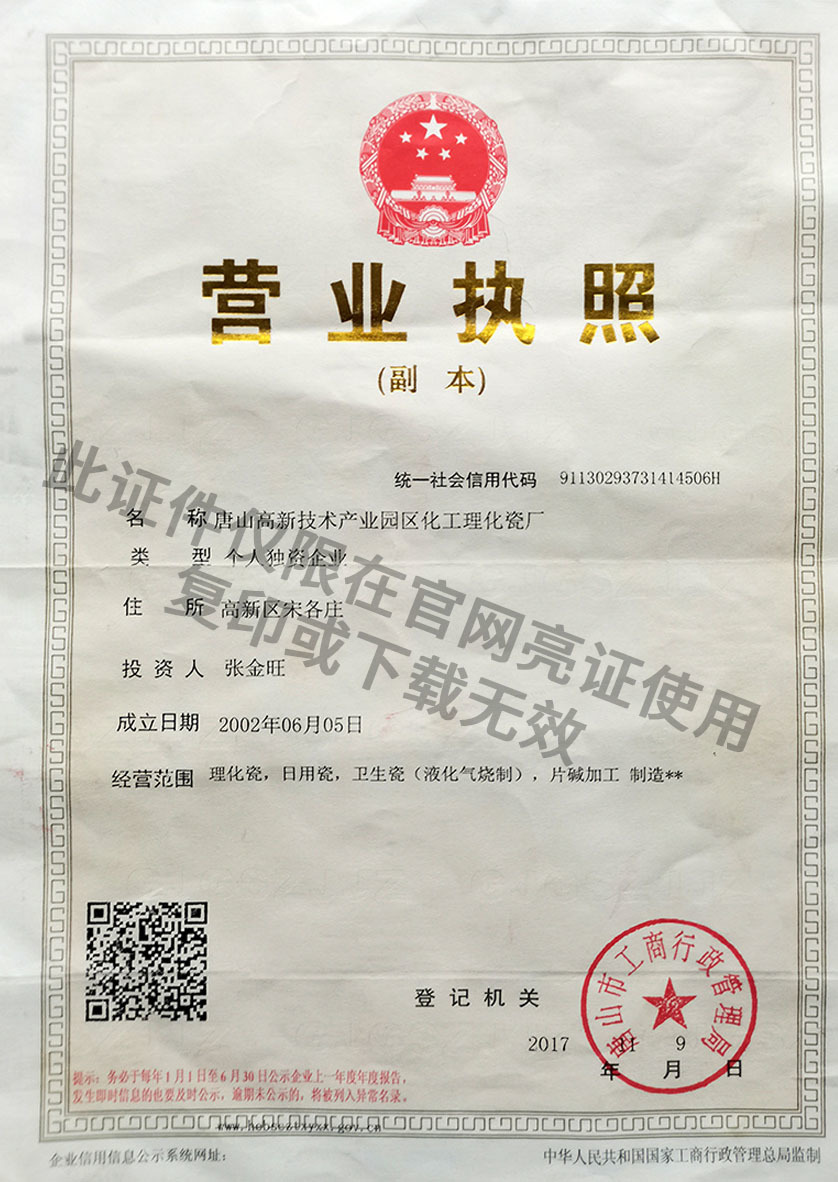
Tangshan High-tech Industrial Park Chemical Physical and Chemical Porcelain Factory
Tangshan Physical and Chemical Ceramics Co., Ltd.
Address: Songgezhuang Chemical and Physical Porcelain Factory, Tangshan High-tech Industrial Development Zone
Telephone: +86-315-5509570 、 +86-315-5509222
Mobile: +86-13903372399 、+86-13832559317
Email: tshglhcc@163.com


Product Center
Follow Us

Online Consultation
If you have any needs, please leave a message, and we will contact you as soon as possible.