language
The importance and precautions for using ball mills in chemical experiments
2024-11-30
The Importance and Precautions of Ball Mills in Chemical Experiments
Ball mills are increasingly used in chemical experiments, especially in material grinding and mixing. You may ask, why are ball mills so important? In fact, the working principle and effect of a ball mill are like a precision instrument, capable of perfectly blending various raw materials to create new chemicals. Today, we will delve into the importance of ball mills in chemical experiments and the precautions to take when using them.
Basic Principle of Ball Mills
First, we must understand the basic working principle of a ball mill. It mainly achieves the effect of grinding and mixing through the impact and friction between the grinding media (such as steel balls, ceramic balls, etc.) and the materials. Imagine it like rolling dough with a rolling pin in the kitchen; repeated rolling and pressing eventually make the dough smooth. Similarly, the ball mill continuously moves to refine the material to the desired particle size.
Importance of Ball Mills in Chemical Experiments
In chemical experiments, the application of ball mills is undoubtedly indispensable. First, it can efficiently reduce the particle size of the material, increasing the surface area of the chemical reaction and thus accelerating the reaction rate. Imagine if you are making a cup of coffee; the finer the coffee beans are ground, the more aroma and...
The Importance and Precautions of Ball Mills in Chemical Experiments
Ball mills are increasingly used in chemical experiments, especially for material grinding and mixing. You might ask, why are ball mills so important? In fact, the working principle and effect of a ball mill are like a precision instrument, capable of perfectly blending various raw materials to create new chemicals. Today, we will delve into the importance of ball mills in chemical experiments and the precautions to take when using them.
Basic Principles of Ball Mills
First, we need to understand the basic working principle of a ball mill. It mainly achieves the effect of grinding and mixing through the impact and friction between the grinding media (such as steel balls, ceramic balls, etc.) and the materials. Imagine it like rolling dough with a rolling pin in the kitchen; repeated rolling and pressing eventually make the dough smooth. Similarly, the ball mill, through continuous movement, refines the material to the desired particle size.
The Importance of Ball Mills in Chemical Experiments
In chemical experiments, the application of ball mills is undoubtedly indispensable. First, it can efficiently reduce the particle size of the material, increasing the surface area of the chemical reaction and thus accelerating the reaction rate. Imagine if you are making a cup of coffee; the finer the coffee beans are ground, the more intense the aroma and flavor released. Chemical reactions are similar.
Secondly, ball mills also help to uniformly mix various components. Imagine if you are making a drink; if all the ingredients are not fully mixed, it will definitely not taste good. This uniformity is particularly important in chemical experiments, especially in the preparation of catalysts or drugs, where any slight non-uniformity may affect the quality of the final product.
Precautions for Using Ball Mills
Although ball mills are very important in chemical experiments, their use is not without risk. Here, we need to mention some precautions that need to be taken when using ball mills.
Choosing the Right Grinding Media
When using a ball mill, choosing the right grinding media is crucial. Different materials require different types of grinding media to achieve the best results. For example, metallic materials usually require steel balls with higher hardness, while ceramic balls may be more suitable for some brittle materials. Improper selection may lead to low grinding efficiency or even damage to the material.
Controlling Grinding Time and Speed
Grinding time and speed are also important factors affecting the results. Just like cooking rice, too short a time may result in undercooked rice, while too long a time may result in mushy rice. In a ball mill, excessive grinding time may lead to over-grinding of the material, affecting subsequent processing; while too short a time will not achieve the required particle size. Therefore, reasonably adjusting the grinding time and speed is the key to ensuring the success of the experiment.
Regularly Check the Status of the Ball Mill
Maintaining the status of the ball mill should not be overlooked. Regularly checking the wear and tear of the grinding media, the sealing of the tank, and the normal operation of the mechanical parts can effectively prevent unexpected failures. Just like a car, if it is not regularly maintained, problems will eventually occur; the same is true for ball mills.
Summary
The importance of ball mills in chemical experiments is self-evident; they not only improve the efficiency of experiments but also ensure the quality of the final product. However, during use, we must also operate cautiously, choose the appropriate grinding media, control the time and speed, and regularly check the equipment status. Only in this way can the ball mill exert its maximum efficiency and assist our chemical experiments.
Recommended news
2026-05-23
2026-04-08
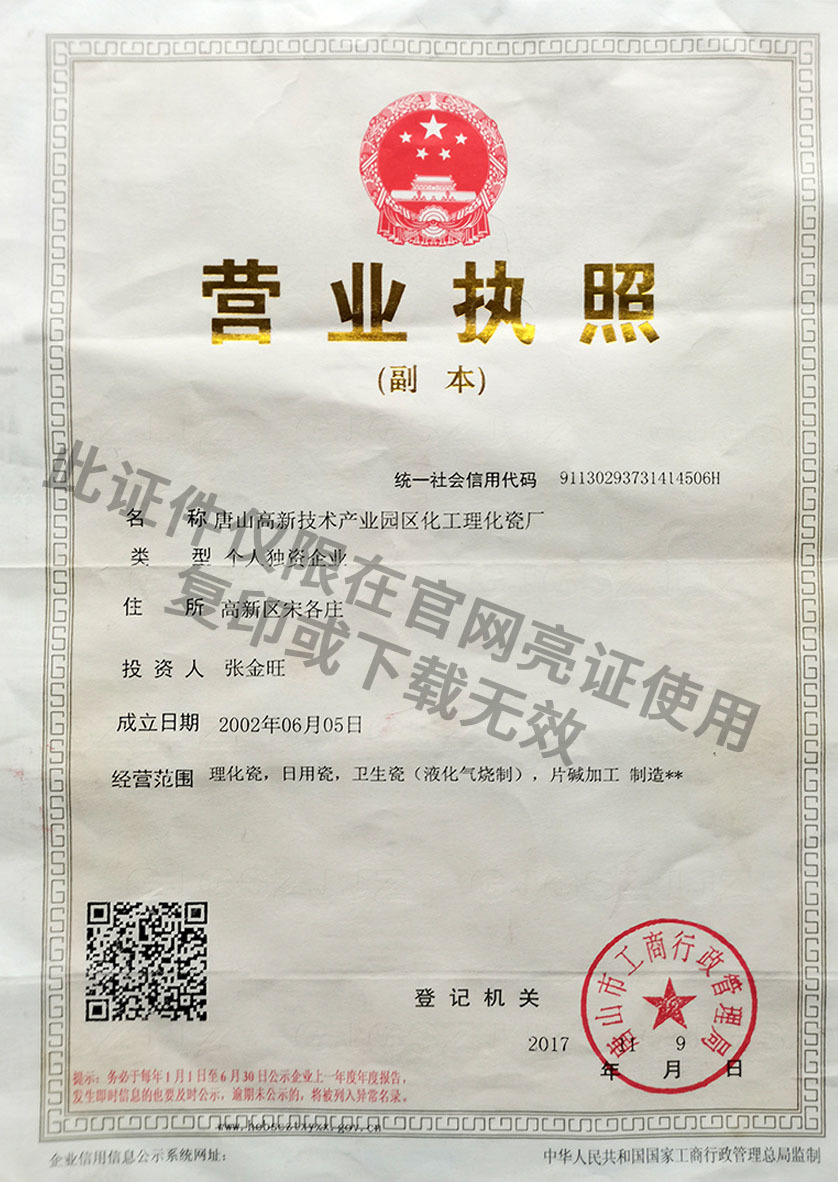
Tangshan High-tech Industrial Park Chemical Physical and Chemical Porcelain Factory
Tangshan Physical and Chemical Ceramics Co., Ltd.
Address: Songgezhuang Chemical and Physical Porcelain Factory, Tangshan High-tech Industrial Development Zone
Telephone: +86-315-5509570 、 +86-315-5509222
Mobile: +86-13903372399 、+86-13832559317
Email: tshglhcc@163.com


Product Center
Follow Us

Online Consultation
If you have any needs, please leave a message, and we will contact you as soon as possible.