language
Material Selection and Performance Comparison of Alumina Boats
2024-11-20
In the world of materials science, alumina boats are highly favored for their unique physical and chemical properties. As a high-temperature material, alumina not only possesses excellent corrosion and wear resistance but also maintains stable performance at high temperatures. This makes it the preferred material in numerous laboratory and industrial applications. Among the many alumina products, the straight crucible is undoubtedly the most common type. So, how does the choice of alumina boat material affect its performance? Let's delve into this. The Basic Properties of Alumina Boats First, it is essential to understand the important properties of alumina boats. The main components of alumina are aluminum and oxygen, usually existing in the form of Al₂O₃. This material has a melting point as high as 2050℃, allowing it to operate in extreme environments. Compared to other materials, alumina boats have better thermal and chemical stability. Imagine how important it is to choose a high-temperature-resistant container when conducting high-temperature experiments, especially when prolonged heating is required; the straight crucible becomes the ideal choice. The Importance of Material Selection When selecting the material for an alumina boat, we need to consider several factors
Selection and Performance Comparison of Alumina Boats
In the world of materials science, alumina boats are highly favored for their unique physical and chemical properties. As a high-temperature material, alumina not only possesses excellent corrosion and wear resistance but also maintains stable performance at high temperatures. This makes it the preferred material in numerous laboratory and industrial applications. Among the many alumina products, the straight crucible is undoubtedly the most common type. So, how does the choice of alumina boat material affect its performance? Let's delve deeper into this topic.
Basic Characteristics of Alumina Boats
First, understanding the important characteristics of alumina boats is essential. The main components of alumina are aluminum and oxygen, usually existing in the form of Al₂O₃. This material has a melting point as high as 2050℃, allowing it to operate in extreme environments. Compared to other materials, alumina boats have better thermal and chemical stability. Imagine how important it is to choose a high-temperature resistant container for high-temperature experiments, especially when prolonged heating is required; the straight crucible becomes the ideal choice.
Importance of Material Selection
When selecting the material for alumina boats, we need to consider several factors. First is thermal conductivity. In some applications, such as metal casting or ceramic sintering, good thermal conductivity ensures uniform heat distribution, thereby improving product quality. In contrast, some materials with low thermal conductivity may cause heat concentration, resulting in thermal stress, which is very unfavorable for experimental results.
Secondly, there is mechanical strength. Although alumina itself has high mechanical strength, its performance may vary under different processing techniques. For example, different sintering temperatures and times can result in different mechanical strengths. This means that straight crucibles may require different manufacturing processes depending on specific application needs.
Performance Comparison
In terms of performance comparison, we can compare alumina boats with other materials. For example, in terms of corrosion resistance, alumina boats are significantly superior to some traditional metal materials. At high temperatures, alumina boats will not be oxidized or corroded and can maintain their physical and chemical properties for a long time. Some metal crucibles may be damaged at high temperatures or in acidic environments, which will undoubtedly affect the accuracy of the experiment.
In addition, alumina boats also perform well in terms of the coefficient of thermal expansion. Its coefficient of thermal expansion is low, meaning that its size changes less with temperature changes, thus reducing the generation of thermal stress. This is crucial for many high-temperature experiments, especially when multiple heating and cooling cycles are involved.
Applications of Straight Crucibles
So, what are the applications of straight crucibles? Straight crucibles play an indispensable role in metal smelting, ceramic sintering, and chemical reactions. Its straight shape allows for uniform heat distribution, ensuring the reliability of the experiment. At the same time, due to its excellent high-temperature performance, even under extreme conditions, the straight crucible can maintain a stable structure and is not easily deformed.
In addition to common laboratory applications, straight crucibles are also widely used in industrial production. For example, in the casting process of aluminum alloys, using alumina boats can effectively improve the quality of finished products and reduce the defect rate.
Conclusion
In summary, the choice of alumina boat material directly affects its performance. Through reasonable selection and scientific processing techniques, we can fully utilize the advantages of alumina boats, especially the importance of straight crucibles in high-temperature applications. Even in demanding experimental environments, alumina boats can demonstrate their superior performance, helping scientific researchers to continuously explore the unknown.
In the world of materials science, alumina boats are highly favored for their unique physical and chemical properties. As a high-temperature material, alumina not only possesses excellent corrosion and wear resistance but also maintains stable performance at high temperatures. This makes it the preferred material in numerous laboratory and industrial applications. Among the many alumina products, the straight crucible is undoubtedly the most common type. So, how does the choice of alumina boat material affect its performance? Let's delve deeper into this topic.
Basic Characteristics of Alumina Boats
First, understanding the important characteristics of alumina boats is essential. The main components of alumina are aluminum and oxygen, usually existing in the form of Al₂O₃. This material has a melting point as high as 2050℃, allowing it to operate in extreme environments. Compared to other materials, alumina boats have better thermal and chemical stability. Imagine how important it is to choose a high-temperature resistant container for high-temperature experiments, especially when prolonged heating is required; the straight crucible becomes the ideal choice.
Importance of Material Selection
When selecting the material for alumina boats, we need to consider several factors. First is thermal conductivity. In some applications, such as metal casting or ceramic sintering, good thermal conductivity ensures uniform heat distribution, thereby improving product quality. In contrast, some materials with low thermal conductivity may cause heat concentration, resulting in thermal stress, which is very unfavorable for experimental results.
Secondly, there is mechanical strength. Although alumina itself has high mechanical strength, its performance may vary under different processing techniques. For example, different sintering temperatures and times can result in different mechanical strengths. This means that straight crucibles may require different manufacturing processes depending on specific application needs.
Performance Comparison
In terms of performance comparison, we can compare alumina boats with other materials. For example, in terms of corrosion resistance, alumina boats are significantly superior to some traditional metal materials. At high temperatures, alumina boats will not be oxidized or corroded and can maintain their physical and chemical properties for a long time. Some metal crucibles may be damaged at high temperatures or in acidic environments, which will undoubtedly affect the accuracy of the experiment.
In addition, alumina boats also perform well in terms of the coefficient of thermal expansion. Its coefficient of thermal expansion is low, meaning that its size changes less with temperature changes, thus reducing the generation of thermal stress. This is crucial for many high-temperature experiments, especially when multiple heating and cooling cycles are involved.
Applications of Straight Crucibles
So, what are the applications of straight crucibles? Straight crucibles play an indispensable role in metal smelting, ceramic sintering, and chemical reactions. Its straight shape allows for uniform heat distribution, ensuring the reliability of the experiment. At the same time, due to its excellent high-temperature performance, even under extreme conditions, the straight crucible can maintain a stable structure and is not easily deformed.
In addition to common laboratory applications, straight crucibles are also widely used in industrial production. For example, in the casting process of aluminum alloys, using alumina boats can effectively improve the quality of finished products and reduce the defect rate.
Conclusion
In summary, the choice of alumina boat material directly affects its performance. Through reasonable selection and scientific processing techniques, we can fully utilize the advantages of alumina boats, especially the importance of straight crucibles in high-temperature applications. Even in demanding experimental environments, alumina boats can demonstrate their superior performance, helping scientific researchers to continuously explore the unknown.
Recommended news
2026-05-23
2026-04-08
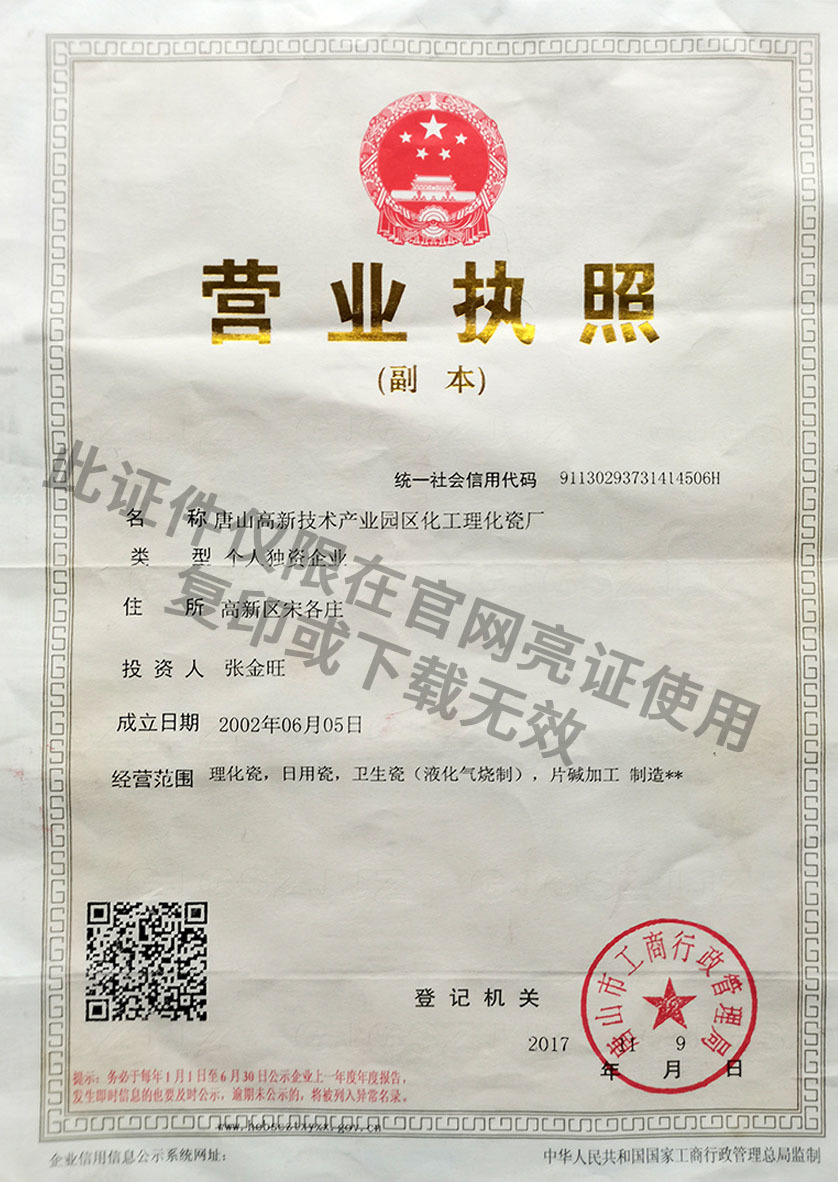
Tangshan High-tech Industrial Park Chemical Physical and Chemical Porcelain Factory
Tangshan Physical and Chemical Ceramics Co., Ltd.
Address: Songgezhuang Chemical and Physical Porcelain Factory, Tangshan High-tech Industrial Development Zone
Telephone: +86-315-5509570 、 +86-315-5509222
Mobile: +86-13903372399 、+86-13832559317
Email: tshglhcc@163.com


Product Center
Follow Us

Online Consultation
If you have any needs, please leave a message, and we will contact you as soon as possible.