How to prepare laboratory ceramic consumables in the early stage
2022-01-06
Laboratory consumables, as tools for laboratory management by laboratory personnel, should be managed uniformly by the laboratory administrator, with detailed records kept of all received consumables and reagents. Each person in charge receives consumables and reagents according to the type of experiment they are responsible for. The specific management methods vary depending on the laboratory consumables. Let's explore this further. Laboratory Ceramic Consumables How to prepare beforehand!
1. Chemicals;
2. Disposable supplies, such as disposable gloves, syringes, etc.;
3. Fixed heaters, stirrers, double-pipe equipment, etc.;
4. Equipment
5. Consumables that need replacement, such as tubing and long needles;
6. Personal equipment such as reaction flasks, spoons, and pipettes;
I. Chemical Storage:
First, classify. Each laboratory's classification method is different; in the organic field, it's typically as follows:
Refrigerator low-temperature storage substances: ordinary solids, ordinary liquids;
Anoxic storage chemicals: gases, valuable chemicals, drying chemicals, others;
II. Chemical Procurement:
Schools generally accept solvents and common solids.
Silica gel, sodium chloride, etc.: These are assigned to one person, registered and received as needed;
The purchase of other chemicals requires separate records, and each storage location needs to be numbered for management purposes. For example, create a system like 'drying cabinet a, storage cabinet a, refrigerator 1', then record the chemicals by location, including electronic records, quantity, location, chemical formula, name, storage method, date, price, company, and purchaser. It's best to clearly state the classification method at the top. Electronic records are easily searchable and highly recommended. Everyone should remember to update the records whenever chemicals are added or used up.
Disposable supplies: These consumables have a short usage cycle and variable costs. It's best to have one person in charge per laboratory, who can directly receive supplies as needed. Also, these items are safer than chemicals and equipment, so only financial adjustments are necessary.
III. Fixed Equipment:
Senior members should record this information in a register. All damage and additions should be reported to them, then approved by the supervisor; a secretary can act as a proxy if available.
IV. Instruments:
Each item has a designated professional responsible for maintenance, supervision, ventilation (if necessary), etc. This includes training new members. A senior student can also act as a proxy.
V. Laboratory Ceramic Consumables Equipment requiring replacement for 6 people:
Laboratory Ceramic Consumables Generally, these are directly obtained from the school. If group-based collection is preferred, it's best to add a locked storage cabinet, managed by a designated person. Those needing supplies can apply directly, with quarterly reports or updates.
The above is an introduction to Laboratory Ceramic Consumables How to prepare beforehand. For more information, please contact us!
Recommended news
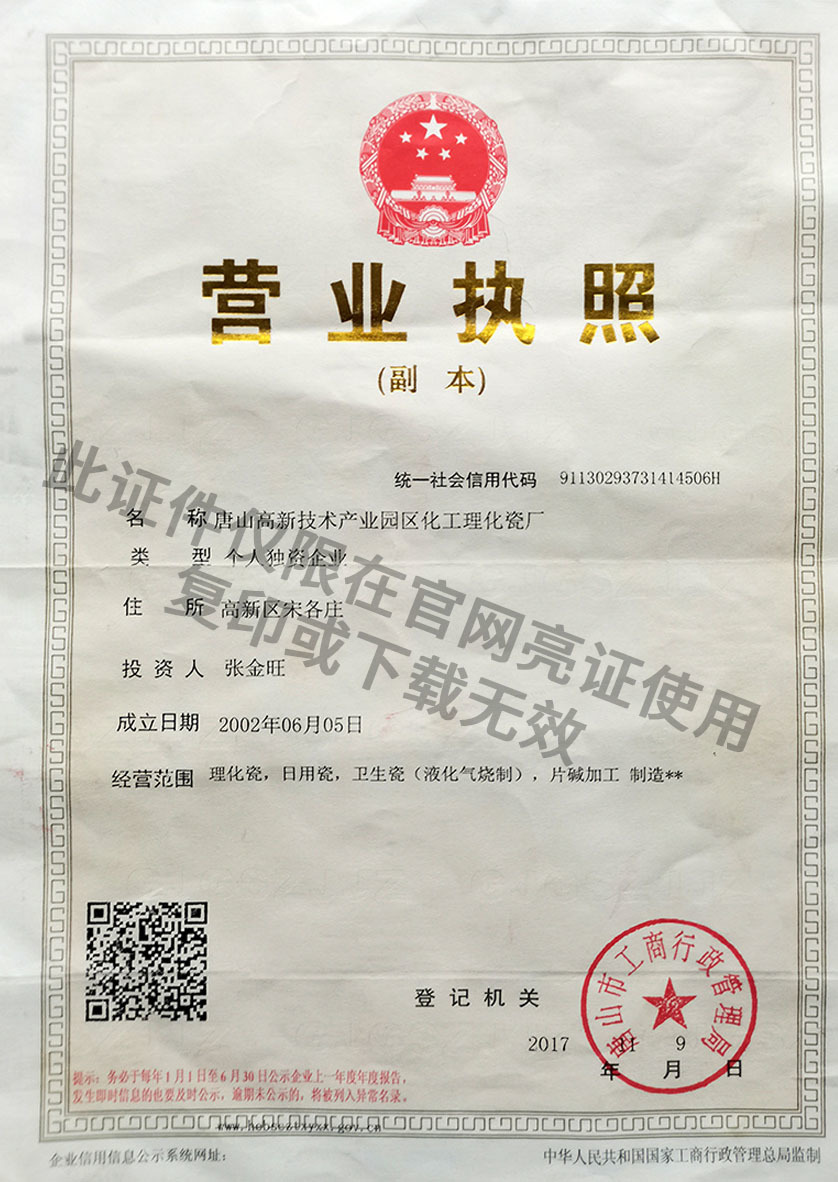
Tangshan High-tech Industrial Park Chemical Physical and Chemical Porcelain Factory
Tangshan Physical and Chemical Ceramics Co., Ltd.
Address: Songgezhuang Chemical and Physical Porcelain Factory, Tangshan High-tech Industrial Development Zone
Telephone: +86-315-5509570 、 +86-315-5509222
Mobile: +86-13903372399 、+86-13832559317
Email: tshglhcc@163.com


Product Center
Follow Us

Online Consultation
If you have any needs, please leave a message, and we will contact you as soon as possible.