Precautions for the use of laboratory ceramic consumables
2021-12-28
Laboratory ceramic consumables These are consumables with high consumption in experiments and indispensable "assistants" in biological and chemical research. There are many types of laboratory consumables. The department has compiled notes on common consumables. Let's learn about the precautions for using laboratory ceramic consumables!
Regarding Ceramic consumables The following are some key precautions for use:
1. Install a guard column
The function of the guard column is to filter out chemical "garbage" from the mobile phase and sample, and effectively remove insoluble substances. Current chromatographs have filters of different pore sizes (e.g., 1-2 μm) installed at the mobile phase inlet, after the injection valve, and at both ends of the column. However, filters can only remove insoluble particles, not chemical contaminants, so a guard column is particularly necessary, especially for traditional Chinese medicine.
The packing material of the guard column is consistent with that of the analytical column, but the particle size can be larger. The guard column is a consumable. After a certain number of sample analyses (50-100 times), if the column pressure increases significantly, the peak shape deteriorates, or the baseline drifts, the guard column should be replaced.
2. Filter the mobile phase and sample
The mobile phase is usually a mixture of water or buffer solution and organic solvent. In principle, all mobile phases passing through the column should be filtered. However, in practice, this should be distinguished according to the situation. If the organic solvent is chromatographic grade and the water is sub-boiling quartz water or other ultrapure water, ensuring the quality of the water and organic solvent, and if they are uncontaminated, filtering is not very meaningful.
If the mobile phase contains buffer salts, it needs to be filtered. As mentioned above, after a buffer solution has been left for a certain period (depending on the ambient temperature, usually less than 48 hours in summer and less than 1 week in winter), it needs to be filtered again before use. Before all the prepared sample test solution is injected into the flow path system, filter it with a 0.45 μm (0.22 μm is better) pore size filter. Note the difference between aqueous and oil systems; do not mix them to avoid dissolving and contaminating the filter. The container containing the mobile phase and the online filter of the chromatographic system should be cleaned and replaced regularly to prevent the filter from being overloaded and affected by the filtration.
3. Sample purification
If the sample contains chemical components that damage the chromatographic column, such as proteins, sugars, or other organic molecules that cause adsorption, strongly adsorptive substances, or group ions that may damage the chromatographic column packing material, the sample should be separated and purified as much as possible to remove excess impurities before injection.
4. Pay attention to temperature and pH
Generally speaking, the maximum operating temperature for ceramic materials is below 60°C, and below 40°C, especially when the pH of the mobile phase is close to the usage limit, the operating temperature should be lowered.
The above is an introduction to Laboratory ceramic consumables If you need to know more, please feel free to contact us!
Recommended news
2026-05-23
2026-04-08
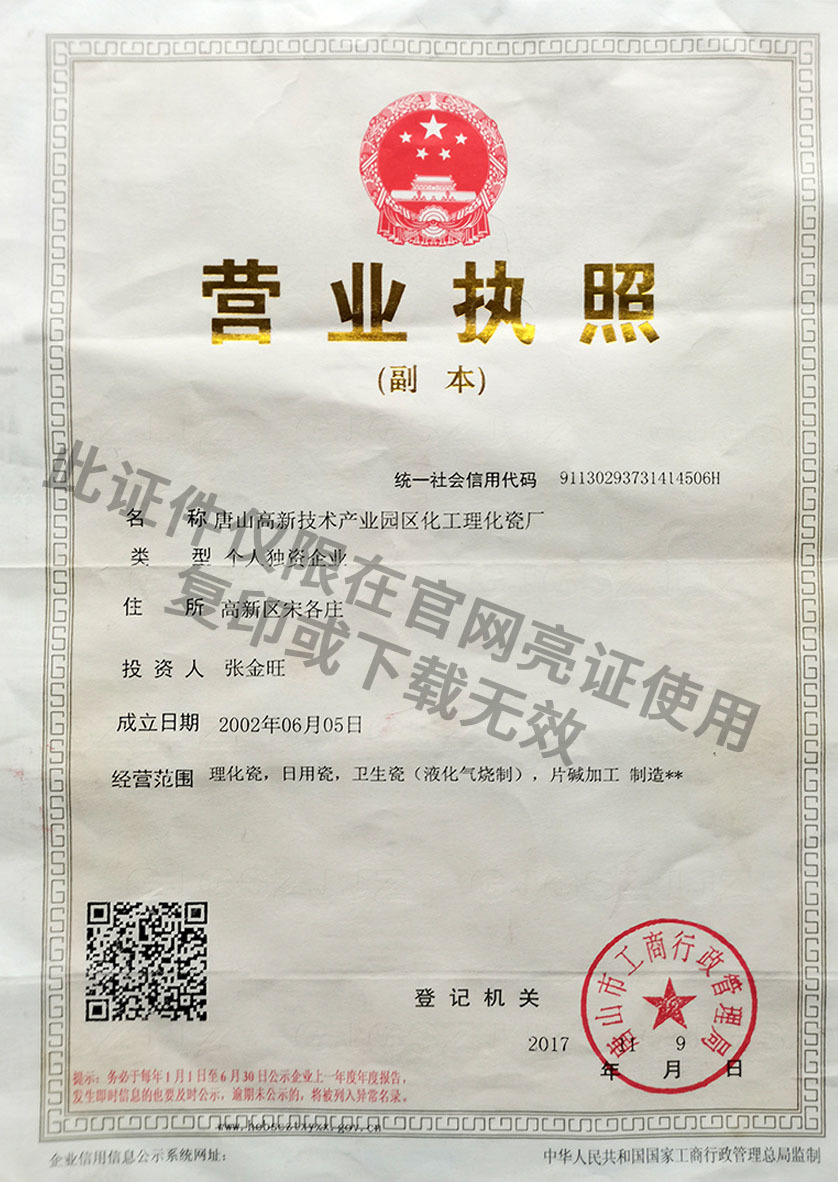
Tangshan High-tech Industrial Park Chemical Physical and Chemical Porcelain Factory
Tangshan Physical and Chemical Ceramics Co., Ltd.
Address: Songgezhuang Chemical and Physical Porcelain Factory, Tangshan High-tech Industrial Development Zone
Telephone: +86-315-5509570 、 +86-315-5509222
Mobile: +86-13903372399 、+86-13832559317
Email: tshglhcc@163.com


Product Center
Follow Us

Online Consultation
If you have any needs, please leave a message, and we will contact you as soon as possible.