Types and uses of crucibles
2018-03-22
Crucibles are primarily made from crystalline natural graphite as the main raw material, with plastic refractory clay as a binder. They are manufactured by combining different types of mature materials and are mainly used as refractory graphite crucibles for smelting special alloy steels and melting non-ferrous metals and their alloys. In terms of product performance and use, graphite crucibles are a component of refractory materials.
Crucibles can be broadly classified into three categories: graphite crucibles, clay crucibles, and metal crucibles.
Graphite crucibles are further divided into three types: ordinary graphite crucibles, special-shaped graphite crucibles, and high-purity graphite crucibles. Due to differences in performance, applications, and operating conditions, the raw materials, production methods, process technologies, and product specifications of various types of graphite crucibles also vary.
The main raw material for graphite crucibles is crystalline natural graphite. Therefore, it retains the various physicochemical properties of the original natural graphite.
That is: it has good thermal conductivity and high-temperature resistance. During high-temperature use, it has a low coefficient of thermal expansion and has a certain ability to resist strain from rapid heating and cooling. It has strong corrosion resistance to acidic and alkaline solutions and excellent chemical stability.
Crucibles come in many sizes and specifications. Their application is not limited by production scale, batch size, or the type of substance being melted. They can be arbitrarily selected, have strong applicability, and can ensure the purity of the substance being melted.
1. After use, place it in a dry place and prevent rainwater from entering; before use, it must be slowly baked to 500 degrees Celsius before use.
2. The amount of material added should be appropriate for the crucible's capacity. Avoid packing it too tightly to prevent thermal expansion of the metal from cracking the crucible.
3. When removing the molten metal, it is best to use a spoon to scoop it out. Try to use tongs as little as possible. If using tongs or other tools, they should match the shape of the crucible to avoid excessive local stress and shorten the service life.
4. The service life of a crucible is related to its usage. Avoid direct strong oxidizing flames from spraying onto the crucible, which would oxidize the crucible material and shorten its life. Due to the above excellent properties, graphite crucibles are widely used in metallurgy, casting, machinery, and chemical industries for smelting alloy tool steels and melting non-ferrous metals and their alloys. They also have good technical and economic effects.
Crucibles are generally divided into three categories: the first category is copper smelting crucibles, with specifications indicated by "numbers"; the second category is copper alloy crucibles, with 100 numbers for special round shapes and 100 numbers for round shapes; the third category is crucibles used for steelmaking, with 100 numbers.
Crucible experimental uses
Crucible specifications (size) are usually represented by sequential numbers. A No. 1 crucible has a volume capable of melting 1000g of brass, weighing 180g. When melting different metals or alloys, the melting amount can be calculated by multiplying the crucible's specific gravity and specification number by the corresponding metal and alloy coefficient.
The raw materials for crucibles can be broadly categorized into three types: firstly, crystalline natural graphite; secondly, plastic refractory clay; and thirdly, hard calcined kaolin-based framework mature materials. In recent years, high-temperature synthetic materials such as silicon carbide, alumina corundum, and ferrosilicon have begun to be used as framework mature materials for crucibles. These mature materials have a significant effect on improving the quality of crucible products, increasing crucible density, and enhancing mechanical strength.
There are three methods for crucible molding. The most primitive and ancient molding method is hand molding. The second is the rotary molding method, and the third is the pressing molding method.
Graphite crucibles are high-grade refractory vessels made from natural flake graphite, wax stone, silicon carbide, etc., used for smelting and casting copper, aluminum, zinc, lead, gold, silver, and various rare metals.
Recommended news
2026-05-23
2026-04-08
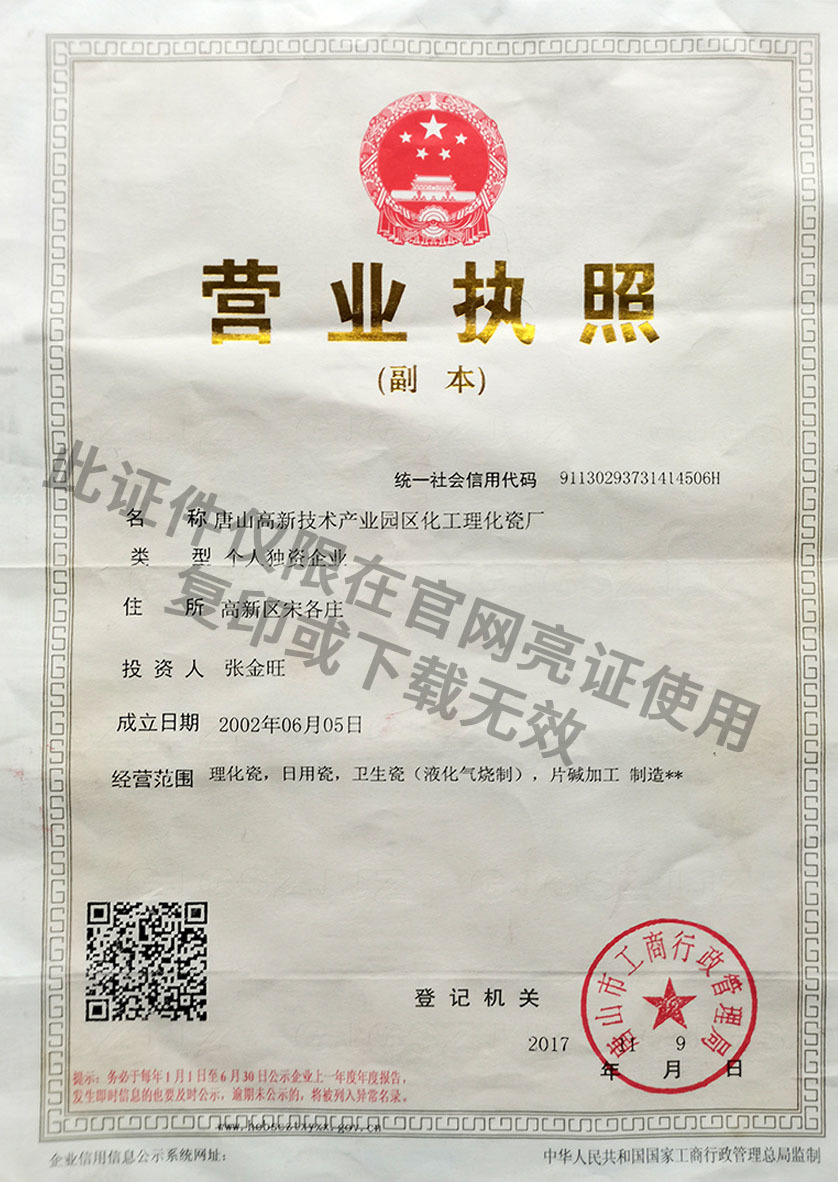
Tangshan High-tech Industrial Park Chemical Physical and Chemical Porcelain Factory
Tangshan Physical and Chemical Ceramics Co., Ltd.
Address: Songgezhuang Chemical and Physical Porcelain Factory, Tangshan High-tech Industrial Development Zone
Telephone: +86-315-5509570 、 +86-315-5509222
Mobile: +86-13903372399 、+86-13832559317
Email: tshglhcc@163.com


Product Center
Follow Us

Online Consultation
If you have any needs, please leave a message, and we will contact you as soon as possible.