2024.07.03

Demand and market prospects for laboratory ceramic consumables


In the laboratory, high-temperature ceramic consumables are indispensable tools due to their excellent heat resistance and chemical stability. With the continuous development of scientific research and the laboratory industry, the demand for high-temperature ceramics is also increasing. These consumables play a crucial role in chemical experiments, materials research, and other fields. This article will explore the demand and market prospects of high-temperature ceramics, taking you to a deeper understanding of this unique product area. In the laboratory, high-temperature ceramic consumables have a wide range of applications. Whether used in high-temperature reactors, test tubes, combustion chambers, or other experimental equipment, high-temperature ceramics can withstand extreme temperatures and chemical environments, ensuring accurate experiments. Due to their stability and durability, high-temperature ceramics are favored in laboratories. The demand for high-temperature ceramics in laboratories is not limited to scientific research, but also involves multiple fields such as medical, pharmaceutical, and industrial. For example, in the production of medical devices, high-temperature ceramics are widely used in the manufacture of high-temperature sterilizers, medical ceramic instruments, and other products. Its high-temperature resistance and hygiene performance make it one of the preferred materials in the medical device industry. With the continuous advancement of laboratory technology and the increase in experimental needs, the market prospects for high-temperature ceramics are broad. In the future, with the expansion of scientific research fields and laboratories

2024.06.23

Different types of ceramic crucibles and their uses


Ceramic crucibles are widely used containers in laboratories and industrial production, capable of withstanding high temperatures and chemical erosion. For high-temperature ceramics, crucibles are one of the important application areas. Today, we will explore together the different types of ceramic crucibles and their respective uses, and learn more about these high-temperature ceramic products. First, let's look at one of the most common types of ceramic crucibles—the alumina ceramic crucible. This crucible is made of alumina material and has excellent high-temperature resistance. It is commonly used in metal smelting, chemical analysis, and heat treatment. Alumina ceramic crucibles can withstand extremely high temperatures and are not easily eroded by chemicals. They are widely used in laboratories and industrial production. Another common type of ceramic crucible is the quartz ceramic crucible. Quartz ceramic crucibles are made of quartz glass and have excellent heat resistance and chemical stability. They are often used in high-temperature experiments and melting tests. Quartz ceramic crucibles are suitable for various laboratory and industrial environments and can stably withstand high temperatures and corrosion. In addition to the two types mentioned above, there are many other types of ceramic crucibles, such as silicon carbide ceramic crucibles and silicon nitride ceramic crucibles. They each have specific characteristics and uses, providing diverse options for applications in different fields.

2024.06.13

The role of high-temperature crucibles in high-temperature experiments


In high-temperature experiments, high-temperature ceramic crucibles play a crucial role. As a material that is not easily deformed or broken at high temperatures, high-temperature ceramic crucibles are widely used in laboratories. Their high-temperature resistance allows researchers to conduct various experiments under high-temperature conditions, thereby promoting the advancement of scientific research. This article will delve into the role of high-temperature ceramic crucibles in high-temperature experiments and their importance in the field of scientific research. One of the indispensable tools when conducting high-temperature experiments in the laboratory is the high-temperature ceramic crucible. This crucible is made of high-quality ceramic materials and has excellent high-temperature resistance and chemical stability. Researchers can place samples in high-temperature ceramic crucibles for heat treatment or reaction experiments without worrying about the performance of the container itself being affected. In addition, high-temperature ceramic crucibles also have good chemical inertness and will not react with most chemicals. This means that during the experiment, researchers can confidently use high-temperature ceramic crucibles to contain various chemicals without worrying that the container itself will affect the experimental results. In general, high-temperature ceramic crucibles play an indispensable role in high-temperature experiments. Their excellent high-temperature resistance and chemical stability make them an essential tool for scientific research.

2024.06.05

Characteristics and wide applications of corundum tubes


This article will explore the properties and wide applications of a crucial material in high-temperature ceramics—the alumina tube. As a high-temperature ceramic material, the alumina tube possesses unique advantages and is widely used in various fields. Let's delve into the properties and functions of alumina tubes! Alumina tubes, as a type of high-temperature ceramic material, exhibit excellent heat resistance and chemical stability. Its main component is aluminum oxide, with a dense crystal structure, high hardness, wear resistance, strong corrosion resistance, and a low coefficient of thermal expansion. These characteristics allow alumina tubes to perform exceptionally well under high-temperature and corrosive environments. These properties have led to the widespread application of alumina tubes in numerous industrial fields. First, alumina tubes are widely used in the petrochemical industry. In oil refining and chemical production processes, equipment and pipelines that need to withstand high temperatures and corrosion utilize alumina tubes, which play a crucial role. Their high-temperature and wear-resistant properties allow alumina tubes to withstand extreme working conditions, ensuring the stable operation of production equipment. Second, alumina tubes also have important applications in the metallurgical industry. In the smelting process, high-temperature and corrosive conditions pose challenges to equipment, and the excellent properties of alumina tubes make them the material of choice. They can not only withstand high-temperature and high-pressure environments but also effectively resist molten metal.

2024.05.26

Types and Differences of Ceramic Crucibles: Finding the Right Labware for You


**Title: Exploring the Types and Differences of Straight Crucible: Choosing the Right Artifact for Your Lab** In the laboratory, ceramic crucibles are indispensable tools. Among the many ceramic crucibles, the straight crucible is a popular choice. Today, let's explore the types and differences of straight crucibles to find the perfect artifact for your lab. ### The Charm of Straight Crucibles Straight crucibles, as the name suggests, are crucibles with a straight, upright shape and a relatively small diameter. Their design allows for complete fuel combustion, facilitating heat transfer and reaction control during experiments. In the laboratory, straight crucibles are often used for high-temperature experiments such as melting and sublimation. ### Classification of Straight Crucibles In the world of straight crucibles, we see various options. First, there's the difference in material: straight crucibles can be divided into quartz straight crucibles, ceramic straight crucibles, and metal straight crucibles. Each material has its unique characteristics and applications. Second, there's the difference in size. According to experimental needs, we can choose straight crucibles of different diameters and depths. Large-diameter crucibles are suitable for experiments with large sample sizes, while small-diameter crucibles are better suited for micro-experiments. ### How to Choose the Right Straight Crucible for You When choosing a straight crucible, you need to consider

2024.05.16

Selection and Use of High-Temperature Crucibles: What Factors to Consider?


Selection and Use of High-Temperature Crucibles: What Factors to Consider? In laboratory and industrial settings, high-temperature crucibles, especially straight crucibles, are indispensable tools. Selecting the right high-temperature crucible is crucial for experimental results and production efficiency. However, considering various factors can be confusing. So, how should these crucibles be selected and used correctly? First, we need to consider the material. Straight crucibles are usually made of quartz, ceramic, or metal. Quartz crucibles have excellent high-temperature resistance but are susceptible to thermal shock; ceramic crucibles are moderately priced but require careful selection of appropriate glaze treatment; metal crucibles are durable but unsuitable for some specific experiments. Second, size is also key to selection. The size of the crucible must meet the experimental requirements; too small will easily cause material overflow, while too large may waste materials. At the same time, the shape of the crucible will also affect the heating uniformity and the contact area between the material and the crucible. In addition, considering the experimental conditions and the use environment, it is also important to choose a high-temperature crucible with corrosion resistance. Some chemicals will corrode the crucible, so it is necessary to choose the corresponding corrosion-resistant material. Finally, correct use and maintenance are equally important. Before use, ensure that the crucible is clean to avoid residues affecting the experimental results. When heating, avoid sudden high temperatures or

< 1...789...31 >

Contact Us

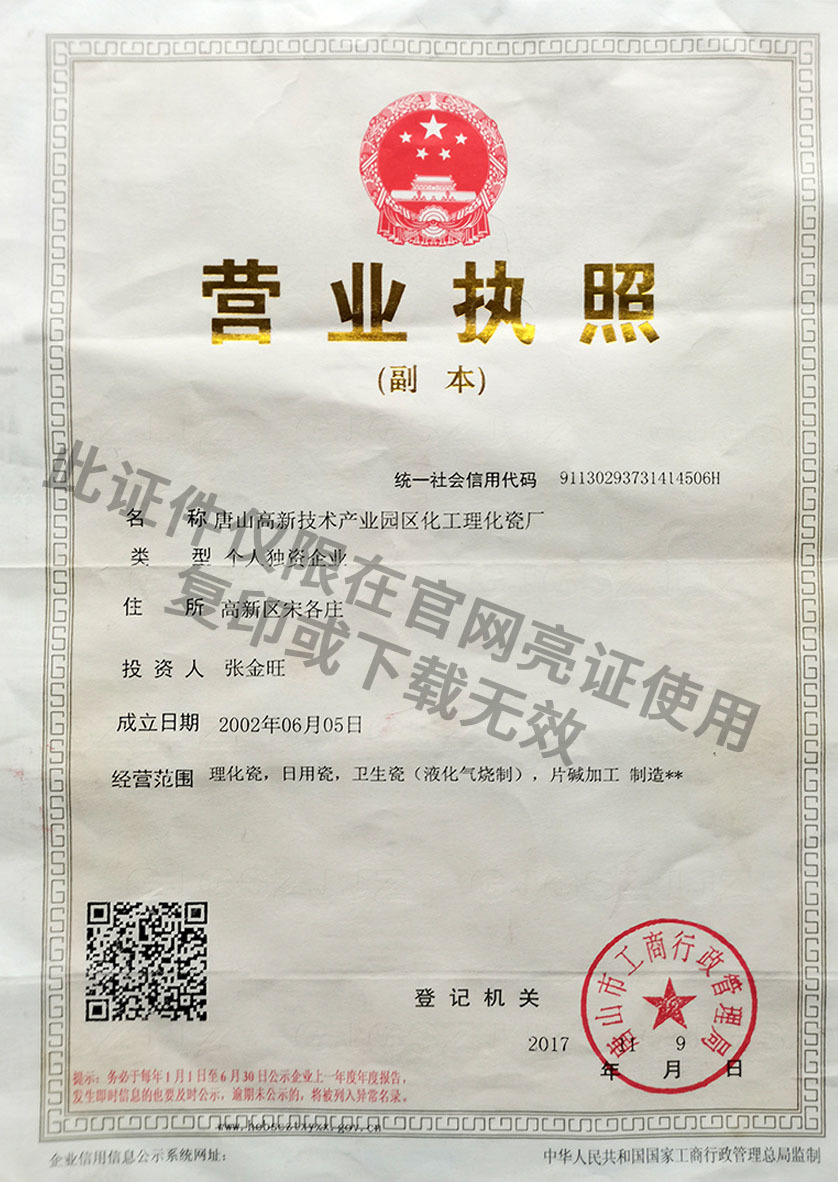
Address: Songgezhuang Chemical and Physical Porcelain Factory, Tangshan High-tech Industrial Development Zone

Telephone: +86-315-5509570 、 +86-315-5509222 

Mobile: +86-13903372399 、+86-13832559317 

Email: tshglhcc@163.com