2024.08.22

Advantages and Applications of Sapphire Arc: Solving Bottlenecks in Chemical Experiments


Advantages and Uses of Sapphire Boats: Solving Bottlenecks in Chemical Experiments In chemical laboratories, the selection of experimental equipment is crucial. The materials required for experiments must not only be high-temperature resistant and corrosion-resistant, but also have good thermal conductivity. Speaking of which, sapphire boats are an option that cannot be ignored. So, what are the advantages of sapphire boats? What role can they play in solving bottlenecks in chemical experiments? Let's find out. Basic Characteristics of Sapphire Boats Sapphire boats, as the name suggests, are mainly made of sapphire material. Sapphire is a crystal of aluminum oxide (Al₂O₃), which has an extremely high melting point and excellent chemical stability. This allows it to maintain its physical and chemical properties even at high temperatures. Imagine that if you are conducting an experiment that requires high-temperature processing, ordinary materials may deform or degrade at high temperatures, while sapphire boats can easily cope with this. Compared with traditional straight crucible, the design of sapphire boat is more unique. Its shape and structure make the heat transfer more uniform, reducing the risk of heat concentration in a certain part. In this way, the reliability of the experimental results is also improved. Have you ever been affected by the uneven temperature of the crucible? The uniform heating characteristics of sapphire boats are designed to...

2024.08.12

Application fields of chemical stoneware: fire resistance, acid and alkali resistance, wear resistance, high temperature resistance


Application fields of chemical stoneware: Refractory, acid and alkali resistant, wear-resistant, and high-temperature resistant. In the chemical industry, material selection is crucial, especially in high-strength and extreme environments. Today, we will mainly discuss an important material—chemical stoneware, and its wide application in refractory, acid and alkali resistance, wear resistance, and high-temperature resistance. Among them, the straight crucible, as a typical chemical stoneware product, plays an indispensable role. What is chemical stoneware? Chemical stoneware is a material with excellent properties, usually made by high-temperature sintering of ceramics. It is not only high-temperature resistant but also has excellent chemical stability. This allows it to maintain its physical and chemical properties in various harsh environments. Simply put, you can think of it as a "superhero" that can perform outstandingly even under extreme conditions. Refractory: Meeting the challenge of high temperature. In many industrial processes, especially smelting and metallurgy, temperatures often soar to thousands of degrees Celsius. Under such high-temperature conditions, ordinary materials simply cannot hold up. However, chemical stoneware, especially straight crucibles, demonstrates its excellent refractory performance. Imagine that in a trial by fire, the straight crucible is like a strong barrier, fearless of high temperatures, and never yielding. Acid and alkali resistance: Resisting chemicals

2024.07.23

A Guide to Selecting Laboratory Ceramic Consumables: How to Ensure Quality and Performance?


Straight crucible is a commonly used consumable in the laboratory. Its quality and performance directly affect the accuracy of the experimental results. When selecting a straight crucible, not only the quality of the material should be considered, but also its high temperature resistance and corrosion resistance. This article will detail how to purchase high-quality straight crucibles to ensure the smooth progress of laboratory work. When selecting a straight crucible, the first thing to consider is the material. High-quality straight crucibles are generally made of high-temperature and corrosion-resistant ceramic materials, which can withstand high-temperature chemical reactions without deformation. At the same time, the material will directly affect the service life and safety of the straight crucible. Therefore, when purchasing, you must choose a reputable supplier to ensure the quality and source of the product. In addition to the material, the size and shape of the straight crucible are also important considerations. Different experiments require different specifications of straight crucibles, and being too large or too small will affect the experimental results. In addition, the shape of the straight crucible will also affect the even heating of the sample, so the appropriate shape should be selected according to the actual needs. When using a straight crucible, pay attention to the correct operation method and maintenance method. Avoid sudden temperature changes and physical impacts, keep the straight crucible clean and tidy, which can effectively extend its service life. In general, the purchase of

2024.07.13

Application of acid and alkali resistant ceramics in the chemical industry


Applications of High-Temperature Ceramics in the Chemical Industry Hey, everyone, have you heard of the applications of high-temperature ceramics in the chemical industry? Today, let's unveil this mystery and learn about it together! High-temperature ceramics, as the name suggests, are ceramic materials that can maintain stability at extremely high temperatures. This powerful ceramic material plays a vital role in the chemical industry. They can maintain stability in harsh acidic and alkaline environments, are not corroded, and can withstand extreme conditions of high temperature and high pressure, providing strong and reliable protection for chemical production. In chemical production, many equipment need to use high-temperature ceramics to resist corrosion and high temperature, such as reactors, pipelines, diaphragms, etc. The excellent performance of these ceramic materials can not only improve production efficiency and extend the service life of equipment, but also ensure the safety of personnel and prevent accidents. In addition, high-temperature ceramics are also widely used in the chemical industry as catalyst carriers, fillers, and filters. Their chemical stability and wear resistance make them an indispensable part of chemical production, providing a solid foundation for industry development. In general, the application of high-temperature ceramics in the chemical industry is very extensive and important. Their

< 1...678...31 >

Contact Us

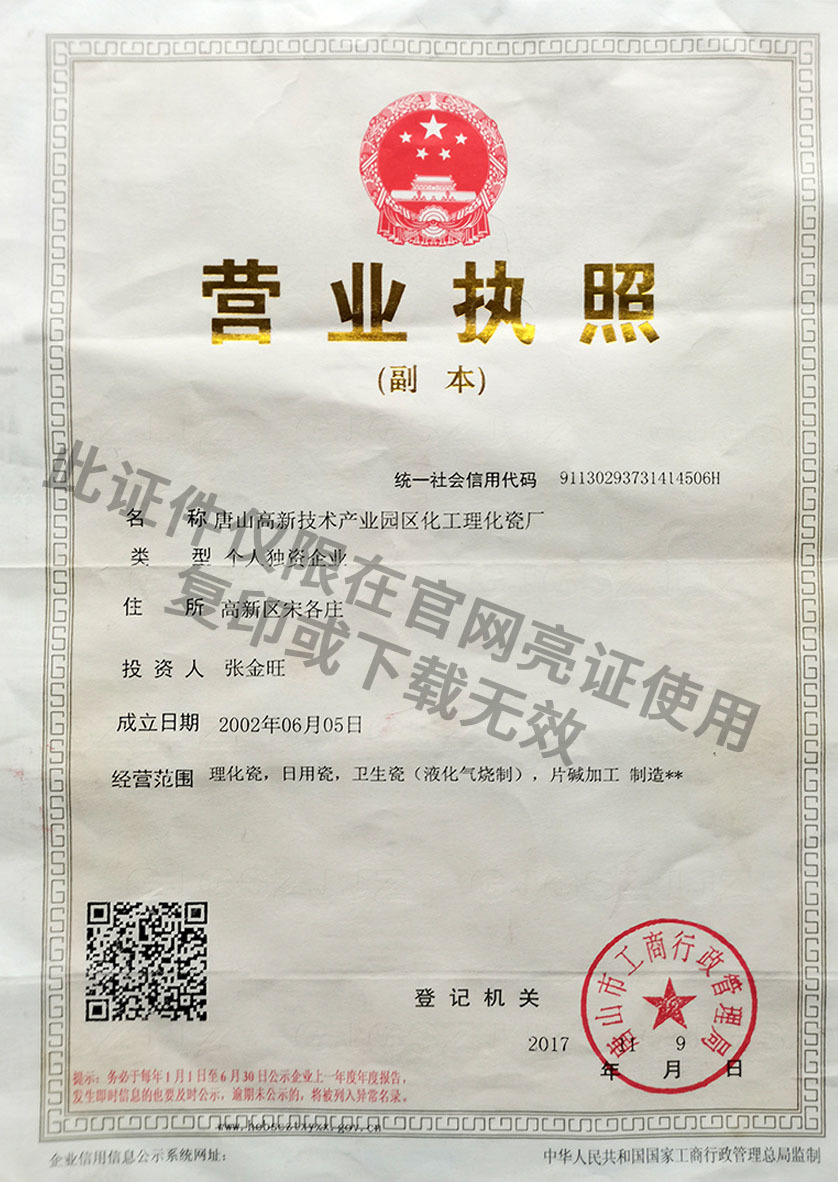
Address: Songgezhuang Chemical and Physical Porcelain Factory, Tangshan High-tech Industrial Development Zone

Telephone: +86-315-5509570 、 +86-315-5509222 

Mobile: +86-13903372399 、+86-13832559317 

Email: tshglhcc@163.com