What are high-temperature ceramics? What are their uses?
2022-08-03
High-temperature ceramic materials are a type of high-temperature structural material with broad development prospects. They have high melting points and can be used as high-quality refractory materials, such as in furnaces and high-temperature furnace tubes. They are super-hard materials with low density, self-lubrication, wear resistance, corrosion resistance (except for hydrofluoric acid), high-temperature resistance, and strong oxidation resistance. High-temperature ceramics Among materials, there is a type called structural material, primarily composed of mechanical properties such as strength, hardness, and toughness. Metals are widely used as structural materials, but they are unsuitable for high-temperature applications due to their susceptibility to corrosion and oxidation at high temperatures. High-temperature structural materials compensate for the shortcomings of weak metallic materials.
In addition, High-temperature ceramics besides withstanding high temperatures, they also exhibit shock resistance. They can be heated to over 1000℃ in air, rapidly cooled, and then rapidly reheated without fracturing. High-temperature ceramics Among these, boron nitride ceramics exhibit excellent properties and are frequently used to manufacture mechanical parts such as bearings, turbine blades, mechanical seals, and molds.
Initially, many believed High-temperature ceramics that these materials could only be used in various industrial products. Unexpectedly, they can also be effectively applied to military equipment to prevent damage. The following explains how this is achieved.
Most people believe High-temperature ceramics that they are very fragile. So how can they be used to prevent the failure of military equipment? In fact, the High-temperature ceramics is inseparable from its solidification method. High-temperature ceramics When the alumina ceramic is combined with the metal structure on the back, its quality coefficient is much lower than its own. At the same time, an inclined steel plate with an elastomer interlayer is set in front of the ceramic, separating it from the air layer, which also makes the alumina ceramic more effective. However, the thickness of this ceramic should meet the standard. This method not only plays a substantial role but also prevents gas-expansion armor-piercing projectiles, meeting practical needs. In comparison, the effect is significantly better than traditional steel armor. This is the basic function of alumina ceramic equipment in the military field.
The composition of the oriented sheet of MMEA11O19 ceramic high-temperature material, mainly based on atmospheric magnetite structure, is a type of thermal barrier coating developed later, used to maintain good long-term structural and thermal stability at high temperatures. Its sintering rate is much lower than that of ZrO2-based thermal barrier coatings. It has micropores and good insulation properties.
Therefore, High-temperature ceramics primarily refers to the "high melting point" of ceramics, i.e., the characteristic of not being easily damaged at high temperatures, while heat-insulating ceramics primarily refer to the "low thermal conductivity" of special ceramics, i.e., the role of heat insulation. "Heat insulation materials" generally include "heat insulation," "cold insulation," and "heat preservation." Current research on heat-insulating ceramics generally focuses on heat insulation at high temperatures; therefore, high-temperature ceramics are not necessarily heat-insulating, but in high-temperature working environments, heat-insulating ceramics must be both high-temperature resistant and heat-insulating.
Recommended news
2026-05-23
2026-04-08
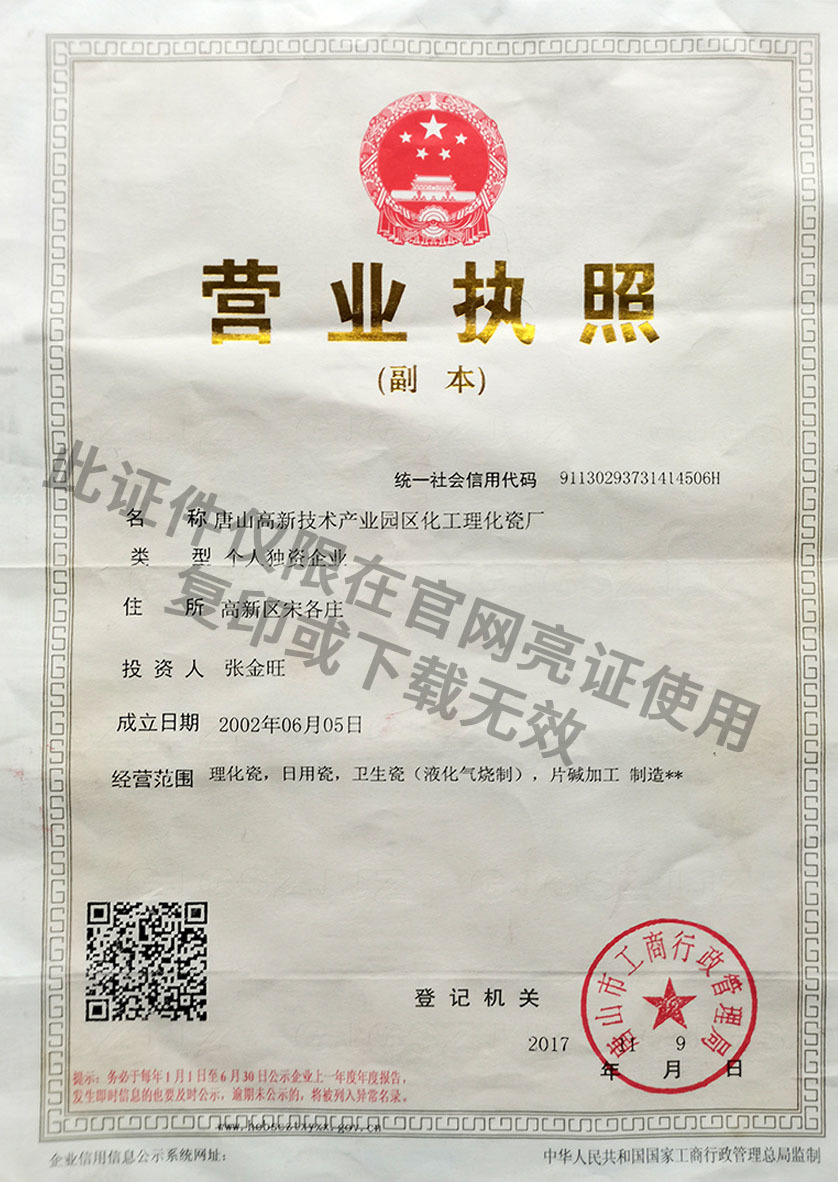
Tangshan High-tech Industrial Park Chemical Physical and Chemical Porcelain Factory
Tangshan Physical and Chemical Ceramics Co., Ltd.
Address: Songgezhuang Chemical and Physical Porcelain Factory, Tangshan High-tech Industrial Development Zone
Telephone: +86-315-5509570 、 +86-315-5509222
Mobile: +86-13903372399 、+86-13832559317
Email: tshglhcc@163.com


Product Center
Follow Us

Online Consultation
If you have any needs, please leave a message, and we will contact you as soon as possible.