工业结构陶瓷的优势特点
2022-05-09
Industrial Ceramics That is, ceramics used in industrial production and industrial products. It is a type of fine ceramics, and these ceramics can perform mechanical, thermal, and chemical functions in applications. Because Industrial Ceramics of their superior properties such as high temperature resistance, corrosion resistance, wear resistance, and erosion resistance, they can replace metal materials and organic polymer materials in harsh working environments. They have become an indispensable important material in traditional industrial transformation, emerging industries, and high-tech industries, and have very broad application prospects in the fields of energy, aerospace, machinery, automobiles, electronics, and chemicals. Corrosion-resistant ceramics with good chemical stability when in contact with biological enzymes are used to produce crucibles for smelting metals, heat exchangers, and biomaterials such as artificial teeth and joints. Ceramics with unique neutron capture and absorption properties are used to produce various nuclear reactor structural materials, etc.
Industrial structural ceramics have excellent wear resistance, corrosion resistance, and high-temperature resistance, and high-function structural ceramic products can be produced according to the needs and performance of different industries. Currently, commonly used industrial structural ceramics include alumina ceramics, silicon carbide ceramics, zirconia ceramics, and silicon nitride ceramics.
Main forming processes of ceramic structural parts:
1. Hot pressing
This involves injecting molten wax slurry into a metal mold under pressure, allowing it to cool and solidify in the mold, and then demolding.
2. Isostatic pressing
The green body formed by isostatic pressing has high density, good uniformity, small shrinkage during firing, and is not easy to deform, crack, or delaminate. This forming method can avoid the delamination that easily occurs during dry pressing. However, the green body after isostatic pressing needs to be processed, which will waste some raw materials. At the same time, because the green body is hard, processing is troublesome, processing speed is slow, and production efficiency is low.
3. Dry pressing
Dry pressing is usually used for small and medium-sized ceramic products with simple shapes that are suitable for dry pressing.
Advantages of ceramic structural parts:
Structural ceramics have superior strength, hardness, insulation, thermal conductivity, high-temperature resistance, oxidation resistance, corrosion resistance, wear resistance, and high-temperature strength. Therefore, their use is expanding in very harsh environments or engineering applications.
1. Compared with other metal materials, the advantages of ceramic materials mainly include excellent high-temperature mechanical properties, chemical corrosion resistance, high-temperature oxidation resistance, and wear resistance. It is precisely because of these performance advantages that they are gradually replacing expensive metal resources in many fields, which is of great value to the conservation of scarce resources.
2. Structural ceramics are one of the materials with more suitable stiffness and hardness in industrial materials. Conventional structural ceramic materials have high melting points and can maintain good chemical stability at high temperatures, while the thermal conductivity of ceramic materials is lower than that of other metal materials, making them a good heat insulation material.
3. Most structural ceramics have good electrical insulation properties, so they are often used as insulating electrical components at various voltages.
Recommended news
2026-05-23
2026-04-08
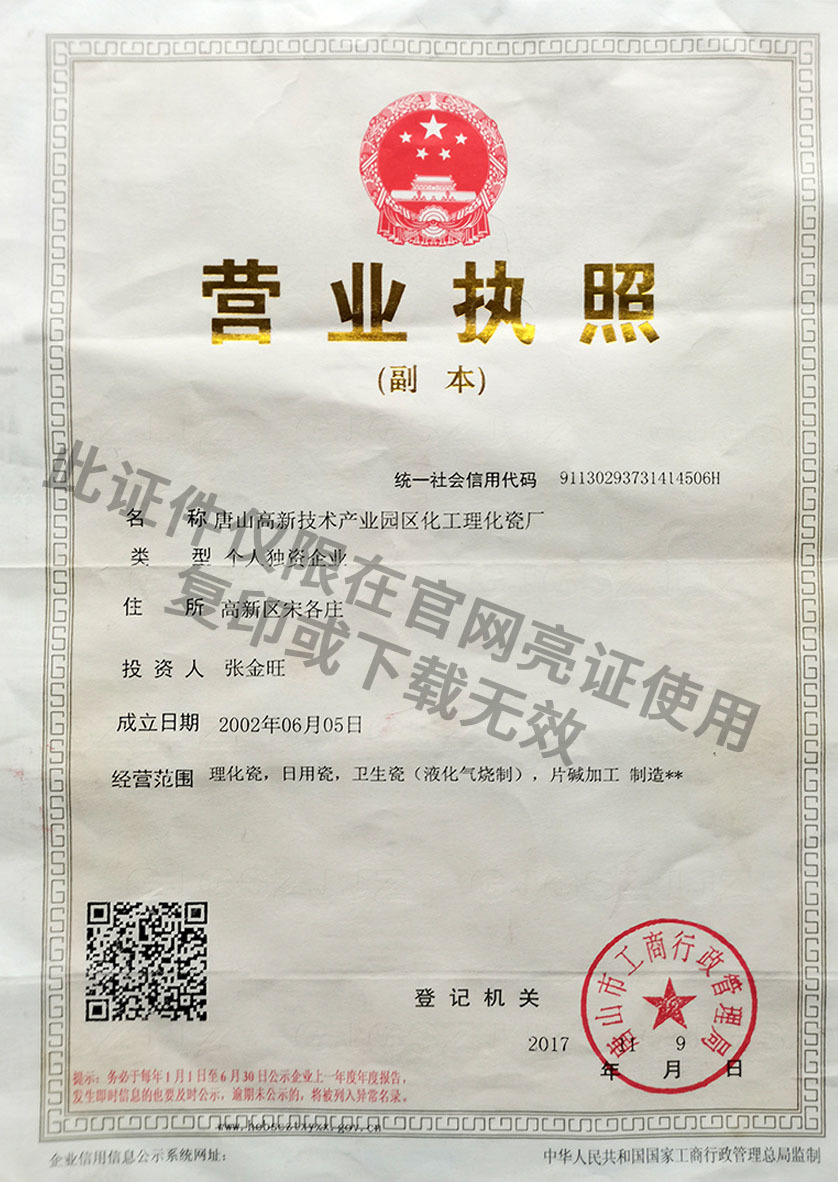
Tangshan High-tech Industrial Park Chemical Physical and Chemical Porcelain Factory
Tangshan Physical and Chemical Ceramics Co., Ltd.
Address: Songgezhuang Chemical and Physical Porcelain Factory, Tangshan High-tech Industrial Development Zone
Telephone: +86-315-5509570 、 +86-315-5509222
Mobile: +86-13903372399 、+86-13832559317
Email: tshglhcc@163.com


Product Center
Follow Us

Online Consultation
If you have any needs, please leave a message, and we will contact you as soon as possible.