What are the main types of high-temperature ceramics?
2022-04-27
High-temperature ceramics What are the main types of high-temperature ceramics?
Currently, High-temperature ceramics they are mainly transition metal borides, carbides, and nitrides, with melting points all above 3000℃, and also possess good high-temperature strength, creep resistance, thermal expansion, oxidation resistance, thermal shock resistance, and ablation resistance.
1. Borides High-temperature ceramics
Borides High-temperature ceramics mainly include HfB2, ZrB2, TaB2, and TiB2. These ceramic materials are composed of strong covalent bonds and have characteristics such as high melting point, high hardness, high strength, low evaporation rate, high thermal conductivity, and high electrical conductivity.
Currently, among borides, High-temperature ceramics ZrB2 and HfB2 are the most widely studied, and their poor oxidation resistance is the main obstacle to their widespread application.
Adding SiC to prepare ZrB2-SiC composite materials has better comprehensive performance. When ZrB2-SiC composite materials are oxidized at high temperatures, a layer of borosilicate protective layer will be formed on the surface of the material, which can maintain its parabolic oxidation law above 1600℃.
TiB2 has good mechanical properties, wear resistance, high-temperature resistance, good chemical stability, especially low density and coefficient of thermal expansion, which makes TiB2 have great advantages in the aerospace field.

2. Cemented Carbides High-temperature ceramics
Among carbide ceramics, ZrC, HfC, TaC, and TiC can be used in ultra-high temperature environments. These ceramics have very high melting points, do not undergo solid-state phase transitions during heating or cooling, have good thermal shock resistance and high high-temperature strength, but cemented carbides UHTCs have low fracture toughness and oxidation resistance. Differences.
ZrC is inexpensive, has a high melting point, high hardness, excellent electrical conductivity, and thermal conductivity, and is a promising material;
HfC ceramics have a high melting point and hardness, a relatively low coefficient of linear expansion, and better meet the requirements for use under extreme conditions. The main drawback is poor oxidation resistance;
TaC, due to its high melting point, low density, high hardness, and good high-temperature performance, has been widely used in cutting tools, electronic materials, abrasive materials, missile structural materials, solid rocket motor throat liner materials, etc. Its thermal shock resistance gives it broad prospects in the field of ultra-high temperature thermal protection.
3. Nitrides High-temperature ceramics
Refractory ceramic nitrides such as ZrN, HfN, and TaN also have good properties.
Transition metal nitrides all have high melting points, and the melting points of these refractory nitrides are also related to environmental pressure. Because rocket engine propulsion systems generate high pressure ( 10-20 MPa), these refractory metal nitrides can be used to make related parts to meet the requirements. However, not all refractory nitrides are suitable for operation in high-temperature, high-pressure oxidizing environments.
High-temperature ceramics The main preparation processes of the materials face a series of challenges when they are pushed to engineering applications, and a series of technical problems need to be solved. For example, high-temperature ceramics have high melting points, strong covalent bonds, low self-diffusion rates, and are difficult to densify. In addition, the oxidation resistance in the medium and low temperature range is poor, the fracture toughness is not high, the reliability is low, and the thermal shock resistance is poor. In view of the above technical difficulties, the current preparation processes of high-temperature ceramic materials mainly include hot pressing sintering ( HP), spark plasma sintering (SPS), reaction hot pressing sintering (RHP), and normal pressure sintering (PS). Among them, hot pressing sintering is the most widely used sintering method.
Recommended news
2026-05-23
2026-04-08
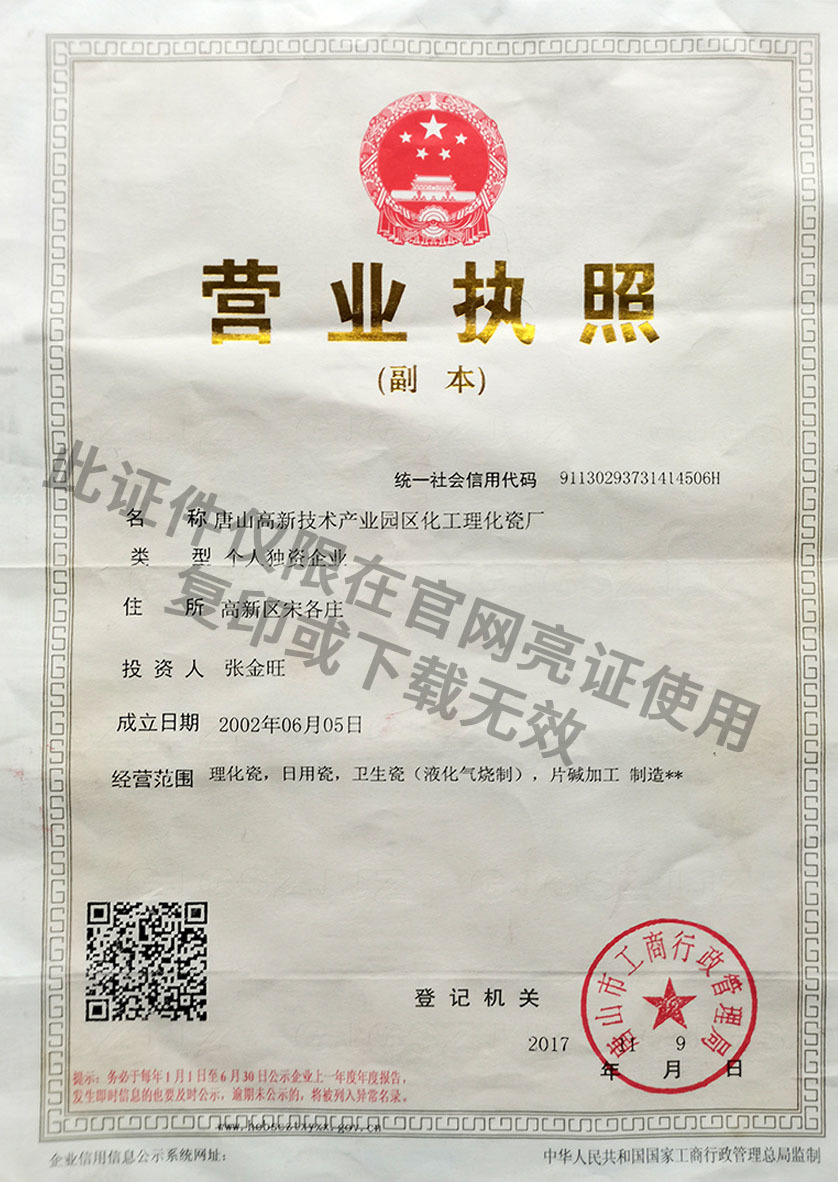
Tangshan High-tech Industrial Park Chemical Physical and Chemical Porcelain Factory
Tangshan Physical and Chemical Ceramics Co., Ltd.
Address: Songgezhuang Chemical and Physical Porcelain Factory, Tangshan High-tech Industrial Development Zone
Telephone: +86-315-5509570 、 +86-315-5509222
Mobile: +86-13903372399 、+86-13832559317
Email: tshglhcc@163.com


Product Center
Follow Us

Online Consultation
If you have any needs, please leave a message, and we will contact you as soon as possible.