What are high-temperature ceramics? What are they used for?
2022-04-27
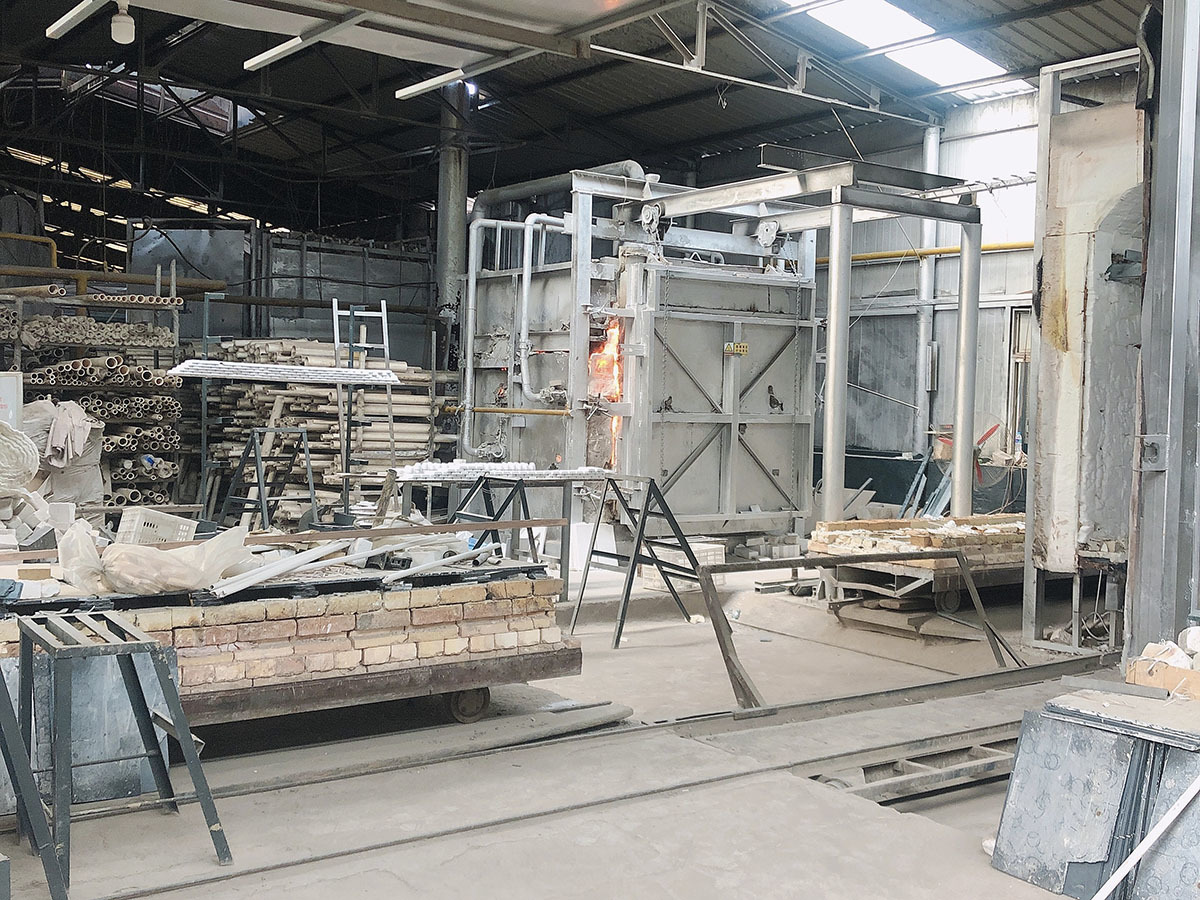 High-temperature ceramic The material is a very promising high-temperature structural material with a high melting point. It can be used as a high-quality refractory material, such as furnaces and high-temperature furnace tubes. The laboratory can produce large aluminum corundum ball mills, the grinding hardness is lower than its material, using high-purity raw materials and advanced technology. It can also make alumina ceramics transparent, which can be used to manufacture high-pressure sodium lamps. Boron nitride ceramic is also an important structural material. It is a superhard material with low density, self-lubrication, wear resistance, and strong corrosion resistance. Except for HF acid, it does not react with other inorganic acids and is highly resistant to high temperatures and oxidation. High-temperature ceramic Among the materials, there is a type of material called structural material, mainly composed of mechanical properties such as strength, hardness, and toughness. Metals have been widely used as structural materials, but because metals are easily corroded and oxidized at high temperatures, they are not suitable for use at high temperatures. The emergence of high-temperature structural materials makes up for the shortcomings of weak metal materials. This material is resistant to high temperatures, oxidation, and acid-base corrosion. It has advantages such as hardness, wear resistance, and low density, making it very suitable for high-temperature structural materials.
It can also withstand high temperatures and shocks. When heated to over 1000℃ in the air, it can be cooled and heated rapidly without cracking. Boron nitride silicon has such good properties that it is often used to make bearings, turbine blades, mechanical seals, molds, and other mechanical parts.
Originally thought High-temperature ceramic The material can be used powerfully in various industrial products, but it can also be effectively applied to military equipment to prevent equipment from being damaged. How to do it specifically is introduced below.
Most people think High-temperature ceramic Very fragile. How are they used to prevent failure? But the High-temperature ceramic Is inseparable from how they are set up. After the alumina ceramic is combined with the metal structure on the back, its quality factor is much lower than its own. At the same time, an inclined steel plate with an elastomer interlayer is set in front of the ceramic to separate it from the air layer. This also makes the alumina ceramic more effective.
However, the thickness of this ceramic must meet the standard. This method not only plays a substantial role but also prevents both gas-filled armor-piercing projectiles and armor-piercing projectiles while meeting economic requirements. In comparison, the effect is significantly better than traditional steel armor. The above is the basic role of alumina ceramic equipment in the military field. I hope everyone can grasp it firmly.
The main atmospheric magnetite structure MMeAl11O19 ceramic high-temperature ceramic material oriented thin film is a thermally sprayed coating developed later, used to maintain good long-term structural and thermal stability at high temperatures. Its sintering rate is much lower than that of ZrO2-based thermal barrier coating materials. Microporous, good insulation effect. There are also other ceramic materials. In addition to the above-mentioned thermal barrier coating ceramic materials, other ceramic materials with the prospect of thermal barrier coating applications have also been developed. Yttrium aluminum garnet (Y3Al5O12, referred to as YAG) is also a good thermal barrier coating material, belonging to the garnet structure, which maintains good thermal stability from room temperature to its melting point (1970℃), and has a low thermal conductivity and a large diffusion coefficient. The oxygen content in YAG is 10 orders of magnitude smaller than that in ZrO2, so YAG can effectively protect the substrate and metal bonding layer.
Recommended news
2026-05-23
2026-04-08
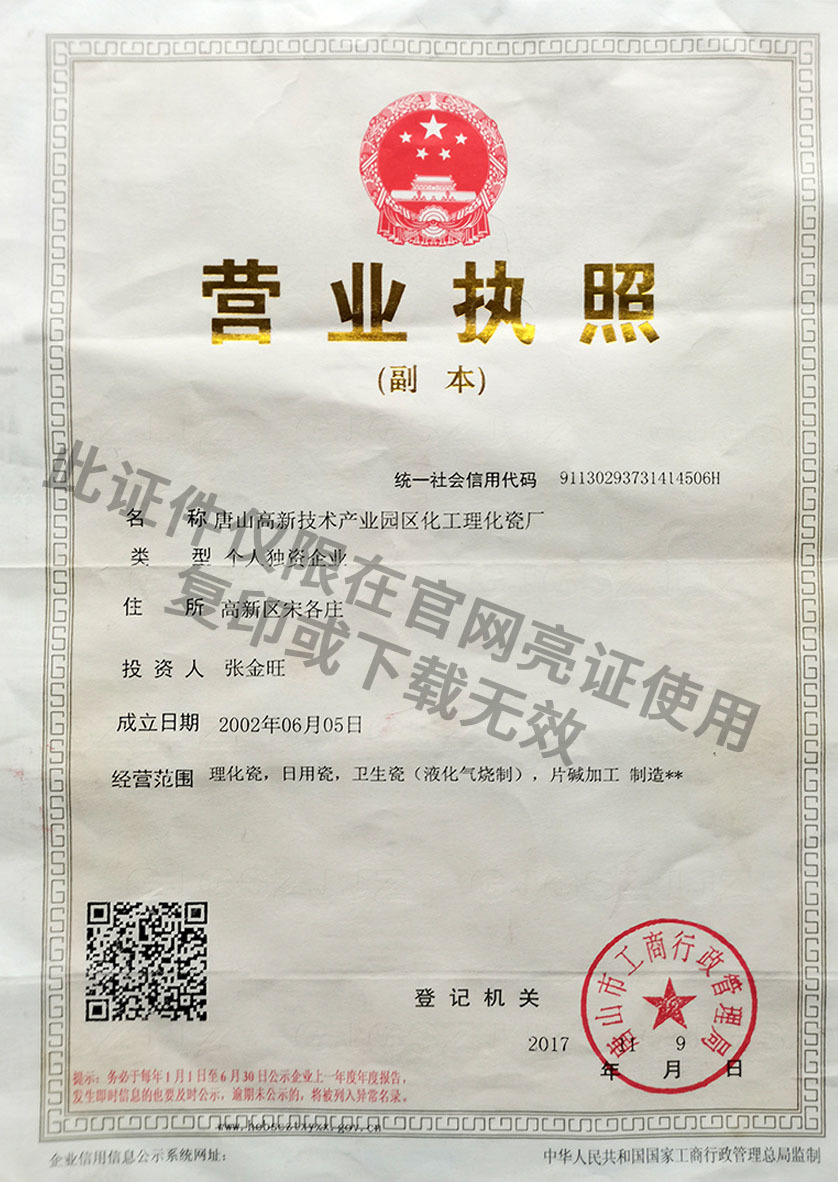
Tangshan High-tech Industrial Park Chemical Physical and Chemical Porcelain Factory
Tangshan Physical and Chemical Ceramics Co., Ltd.
Address: Songgezhuang Chemical and Physical Porcelain Factory, Tangshan High-tech Industrial Development Zone
Telephone: +86-315-5509570 、 +86-315-5509222
Mobile: +86-13903372399 、+86-13832559317
Email: tshglhcc@163.com


Product Center
Follow Us

Online Consultation
If you have any needs, please leave a message, and we will contact you as soon as possible.