What factors affect the thermogravimetric curve of alumina ceramic crucibles from porcelain crucible manufacturers?
2022-04-15
Porcelain crucible manufacturer The alumina ceramic crucibles are made of high-purity inorganic compounds synthesized under strictly controlled conditions, and are processed through molding and sintering to form inorganic materials with a fine crystal structure. This ceramic is also known as special ceramic or fine ceramic.

Influence Porcelain crucible manufacturer Factors affecting the thermogravimetric curve of alumina ceramic crucibles:
1. The influence of baseline drift on thermogravimetric analysis Baseline drift is a common factor affecting many thermogravimetric analysis curves of thermal balances. Baseline drift refers to the phenomenon that the sample does not change, but the recorded curve shows a change in mass, which can lead to the illusion of sample loss or weight gain. This drift is mainly related to the buoyancy and convection effects of the gas in the furnace. Knudsen force and temperature are closely related to the brushing on the flat structure.
2. Influence of the thermocouple The position of the thermocouple sometimes has a considerable influence on the results of thermogravimetric measurements, especially when the temperature axis is not corrected, the temperature measured at different positions sometimes differs by tens of degrees.
3. Influence of the sample holder (crucible and support) The sample container and support constitute the sample holder. The crucible is usually used as a container for holding the sample, and it has an important influence on the thermogravimetric curve. This influence mainly comes from three aspects: the size, geometry and structural material of the crucible.
Practice shows that, Porcelain crucible manufacturer shallow crucibles are easier to obtain accurate and reliable experimental results than deep and large crucibles. The influence of crucible size and shape on the experimental results is related to the sample filling amount. Usually, more samples use deep and large crucibles. At this time, the diffusion resistance of the gas increases, which makes it difficult for the gaseous products to diffuse and escape, and also prevents the atmosphere from entering the sample. Therefore, it is easy to move the termination temperature TF on the thermogravimetric analysis curve to the high temperature side, and the high temperature side will become more obvious when a chemical reaction occurs between the atmosphere and the sample or gaseous products.
Porcelain crucible manufacturer Characteristics of alumina crucibles and corundum porcelain crucibles:
1. High purity: Al2O3>99%, good chemical corrosion resistance.
2. Good temperature resistance, long-term use at 1600℃, short-term use at 1800℃.
3. Good cold and heat resistance, not easy to crack.
4. High slurry density high-purity alumina crucibles, alumina ceramic crucibles, corundum ceramic crucibles: arc-shaped alumina corundum crucibles, square alumina corundum crucibles, rectangular alumina corundum crucibles, cylindrical ceramic corundum crucibles, alumina corundum tubes and other various shaped alumina ceramic crucibles, undertaking non-standard customization of various shaped aluminum corundum ceramic crucibles.
2. Suitable for melting samples of acidic substances such as K2S2O7.
3. Generally, alkaline substances such as NaOH, Na2O2, and Na2CO3 cannot be used as fluxes for melting, so as to avoid corrosion of the porcelain crucible.
4. Ceramic crucibles can be divided into: medium-wall crucibles, low-wall crucibles, high-wall crucibles, ordinary crucibles, volatile crucibles, tight crucibles, Roga crucibles, double-layer crucibles, Guthrie crucibles, porous crucibles, infrared carbon-sulfur crucibles, free expansion coefficient crucibles, etc.
5. Ceramics have water absorption. Therefore, in order to reduce errors, the crucible should be strictly dried before use and weighed on an analytical balance. Sometimes, the analyte is filtered with ashless filter paper, and the filter paper is put into the crucible together; the filter paper is completely decomposed in a high-temperature environment and will not affect the results. After high-temperature treatment, the crucible and its contents are dried and cooled in a special desiccator, and then weighed.
Recommended news
2026-05-23
2026-04-08
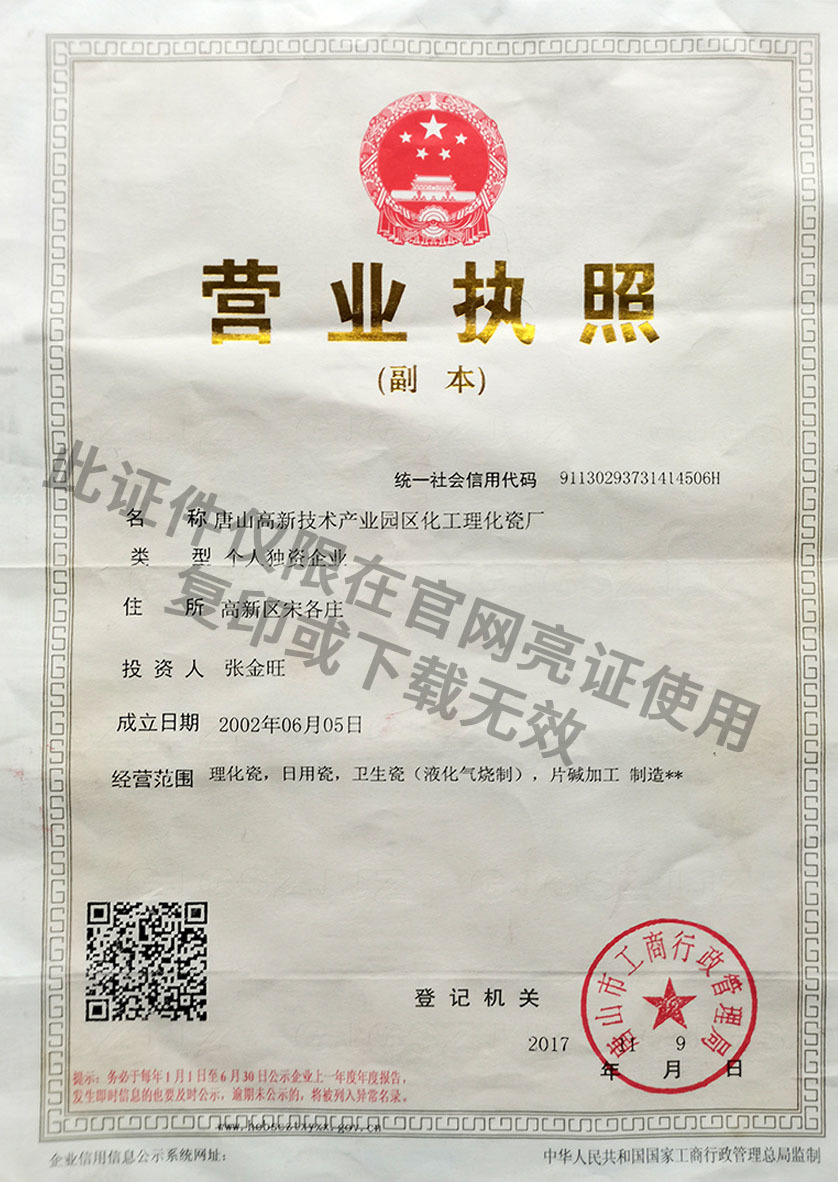
Tangshan High-tech Industrial Park Chemical Physical and Chemical Porcelain Factory
Tangshan Physical and Chemical Ceramics Co., Ltd.
Address: Songgezhuang Chemical and Physical Porcelain Factory, Tangshan High-tech Industrial Development Zone
Telephone: +86-315-5509570 、 +86-315-5509222
Mobile: +86-13903372399 、+86-13832559317
Email: tshglhcc@163.com


Product Center
Follow Us

Online Consultation
If you have any needs, please leave a message, and we will contact you as soon as possible.