Porcelain crucible manufacturer: Crucible, do you know how to use it?
2022-04-06
A crucible is a container or furnace made of extremely refractory materials (such as clay, graphite, porcelain, or difficult-to-melt metals). It is mainly used for the evaporation, concentration, or crystallization of solutions, and the combustion of solid substances. Porcelain Crucible Manufacturer Introduction to crucibles and their usage:
Crucibles are used when solids need to be heated with a high flame. When using, the lid is usually placed askew to prevent the heated substance from jumping out and to allow air to freely enter and exit for possible oxidation reactions. Due to its smaller bottom, it usually needs to be installed on a clay triangle and heated directly with a flame. It can be placed upright or slanted on an iron triangle stand, or placed according to experimental needs. After heating, do not immediately place it on a cold metal surface to avoid cracking due to rapid cooling. Do not immediately place it on a wooden table to avoid burning the table or causing a fire. The correct way is to place it on an iron tripod for natural cooling, or on an asbestos net for slow cooling. When using a crucible, use crucible tongs.
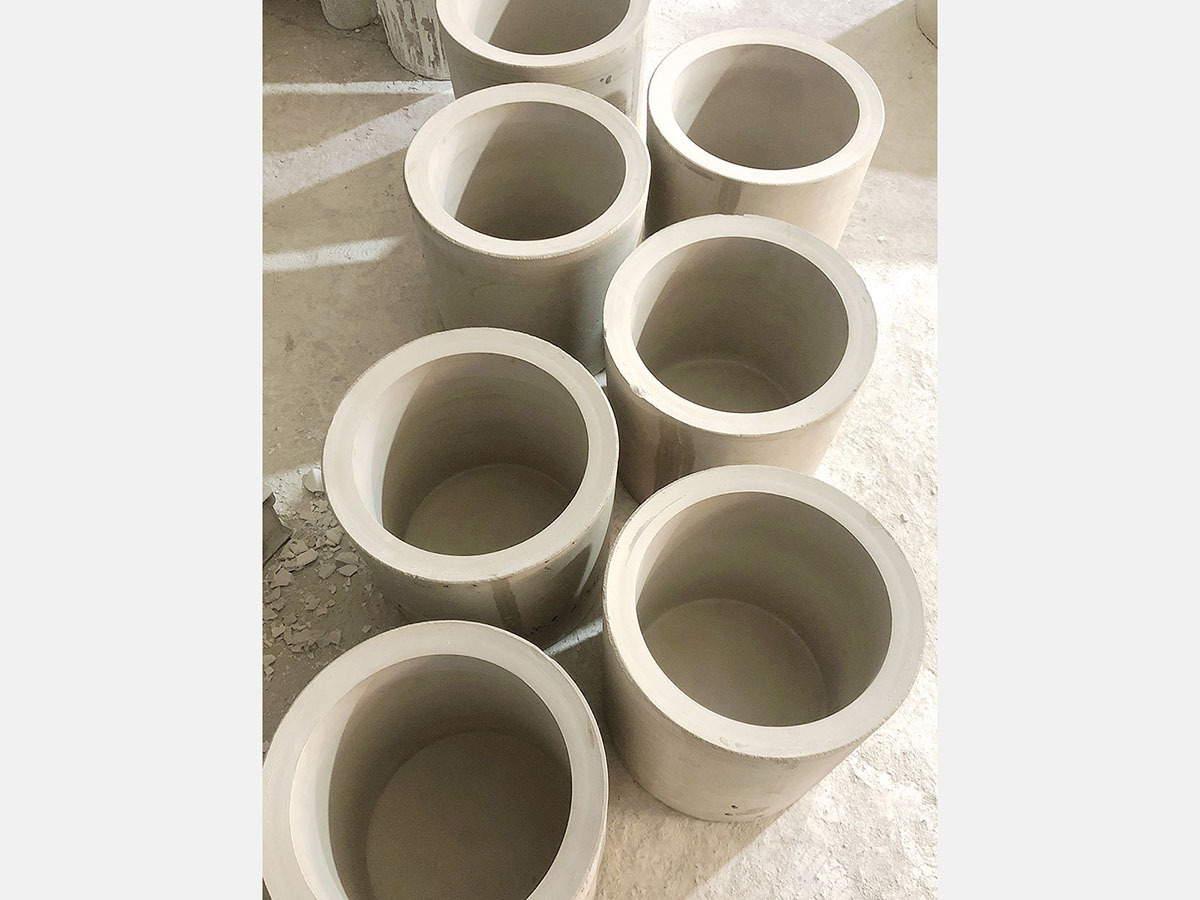
Porcelain Crucible Manufacturer Sharing a detailed explanation of crucibles commonly used in laboratories.
1. Porcelain Crucible
The porcelain used in laboratories is actually glazed pottery, with a high melting point (1410°C), capable of withstanding high-temperature calcination. It can be heated to 1200°C, with minimal change in mass after burning, and is often used for calcination and weighing precipitates. The high-form crucible can process samples under air-isolated conditions.
Porcelain Crucible Manufacturer The coefficient of thermal expansion of laboratory porcelain is (3~4) x 10^-6. During high-temperature evaporation and calcination operations, thick-walled porcelain should avoid sudden temperature changes and uneven heating to prevent cracking.
Porcelain is more stable than glassware against chemical reagents such as acids and alkalis, but it cannot contact hydrofluoric acid. It is not resistant to caustic alkalis and sodium carbonate, especially their melting operations.
Using some substances that do not react with porcelain, such as MgO and C powder, as fillers, silicate samples can be melted and processed in porcelain crucibles using alkaline fluxes wrapped in quantitative filter paper. This can partially replace platinum products, offering strong mechanical properties and low cost, hence its wide application.
2. Alumina Crucible
Natural corundum is almost pure aluminum oxide. Artificial corundum is made by high-temperature sintering of pure aluminum oxide. It is high-temperature resistant, with a melting point of 2045°C, high hardness, and considerable corrosion resistance to acids and alkalis.
Porcelain Crucible Manufacturer Alumina crucibles can be used to melt and sinter some alkaline fluxes, but the temperature should not be too high, and the time should be as short as possible. In some cases, it can replace nickel and platinum crucibles, but it cannot be used in the determination of aluminum and aluminum interference measurements.
3. Quartz Crucible
Transparent quartz glass is made by high-temperature melting of natural colorless and transparent crystals. Translucent quartz is made from natural pure vein quartz or quartz sand, and appears translucent due to the many bubbles not removed during melting. The physicochemical properties of transparent quartz glass are superior to translucent quartz, mainly used in the manufacture of laboratory glassware and optical instruments.
Recommended news
2026-05-23
2026-04-08
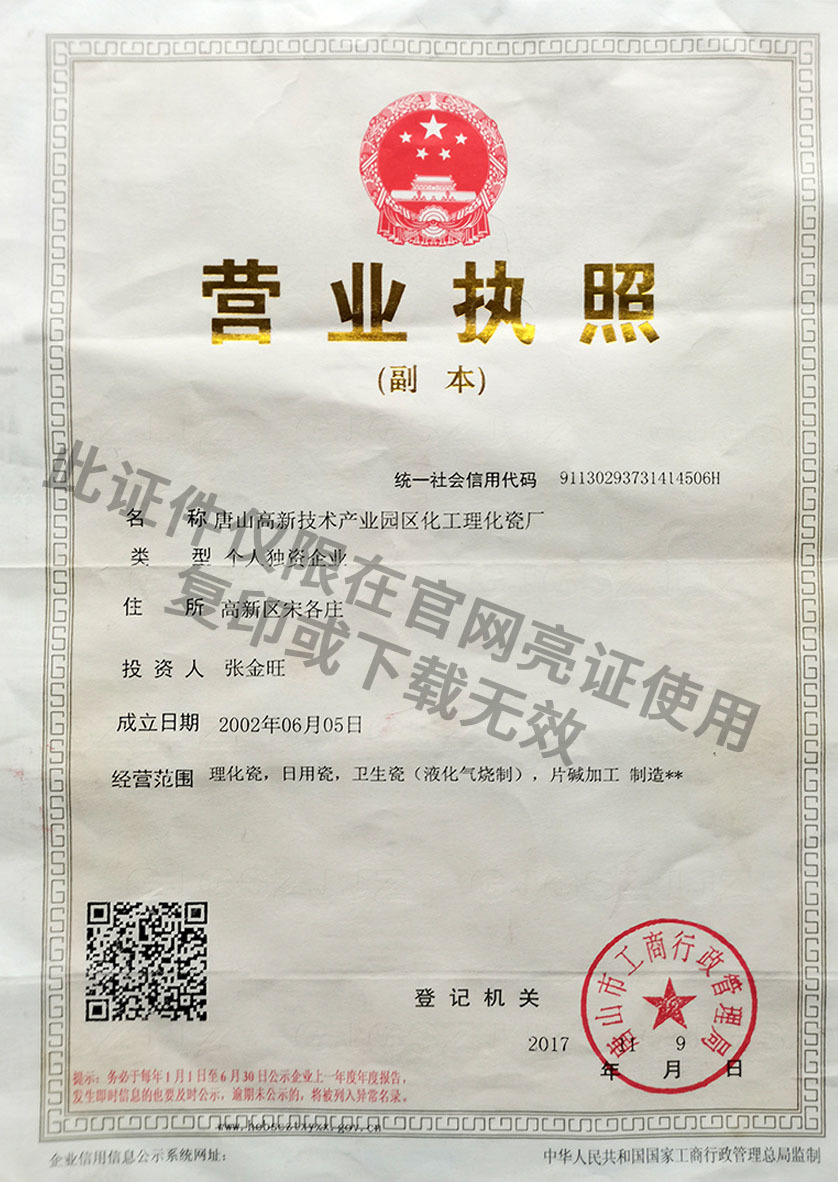
Tangshan High-tech Industrial Park Chemical Physical and Chemical Porcelain Factory
Tangshan Physical and Chemical Ceramics Co., Ltd.
Address: Songgezhuang Chemical and Physical Porcelain Factory, Tangshan High-tech Industrial Development Zone
Telephone: +86-315-5509570 、 +86-315-5509222
Mobile: +86-13903372399 、+86-13832559317
Email: tshglhcc@163.com


Product Center
Follow Us

Online Consultation
If you have any needs, please leave a message, and we will contact you as soon as possible.