Porcelain crucible manufacturers share various types of ceramic crucibles
2022-04-06
Crucibles are an important component of chemical equipment, serving as containers for melting and refining liquid metals and heating solid-liquid reactions. They are fundamental to ensuring the smooth progress of chemical reactions. Porcelain Crucible Manufacturers Historically, crucibles were initially made from clay, with one of platinum's earliest uses being in crucible production. However, with advancements in manufacturing techniques, they can now be made from any material capable of withstanding the melting or alteration of its contents.

Crucibles come in a wide variety of types, models, and specifications, offering strong applicability and ensuring the purity of the melted materials. Ceramic crucibles are a significant component of crucibles. Based on raw materials, they can be categorized into quartz, alumina, boron nitride, zirconia, etc., depending on their properties and uses.
The first two are relatively common and well-understood; the latter two are rarely used and may be unfamiliar to most, but they play an irreplaceable role in certain fields. Below, Porcelain Crucible Manufacturers a brief introduction and summary of these different types of ceramic crucibles are provided, outlining their suitable applications.
1. Quartz
Quartz ceramic crucibles, formally known as high-purity electrofused quartz ceramic crucibles (99.9% silicon dioxide content), are made from high-purity electrofused quartz. They feature a fine structure, low thermal conductivity, and a small coefficient of thermal expansion. They possess excellent thermal shock resistance, good electrical properties, and good chemical resistance, finding wide application in the glass deep processing industry, metallurgy, electronics, chemical engineering, aerospace, and other fields. They typically come in square and cylindrical shapes.
Porcelain Crucible Manufacturers With the increasing emphasis on and development of environmentally friendly energy sources, solar energy has garnered global attention as a green energy option. The sharp increase in the demand for polysilicon used in solar energy conversion has driven rapid development in polysilicon production. Consequently, the demand for large-size, thin-walled, square electrofused quartz ceramic crucibles is also rapidly increasing, presenting significant market potential worldwide.
2. Alumina
Alumina, also known as alumina crucibles, with alumina content exceeding 95%, is robust, refractory, high-temperature resistant, acid and alkali resistant, resistant to rapid cooling and extreme heat, and chemically resistant. It is suitable for use with some weakly alkaline substances, such as anhydrous Na2CO3, as a flux for melting samples, but not suitable for Na2O2, NaOH, etc. Various sizes and shapes are available depending on the application requirements.
3. Boron Nitride
It exhibits excellent heat resistance, thermal stability, thermal conductivity, and high-temperature dielectric strength, making it an ideal heat dissipation and high-temperature insulation material. Due to its superior chemical stability, P-BN can resist corrosion from most molten metals, and its high-temperature insulation properties, high thermal conductivity, and low thermal expansion make it suitable for demanding environmental conditions, such as in semiconductor manufacturing processes. This depends on the materials used. It is commonly used in melting metals and semiconductors. It can be used at vacuum temperatures up to 1800°C and atmospheric protection temperatures up to 2100°C.
Recommended news
2026-05-23
2026-04-08
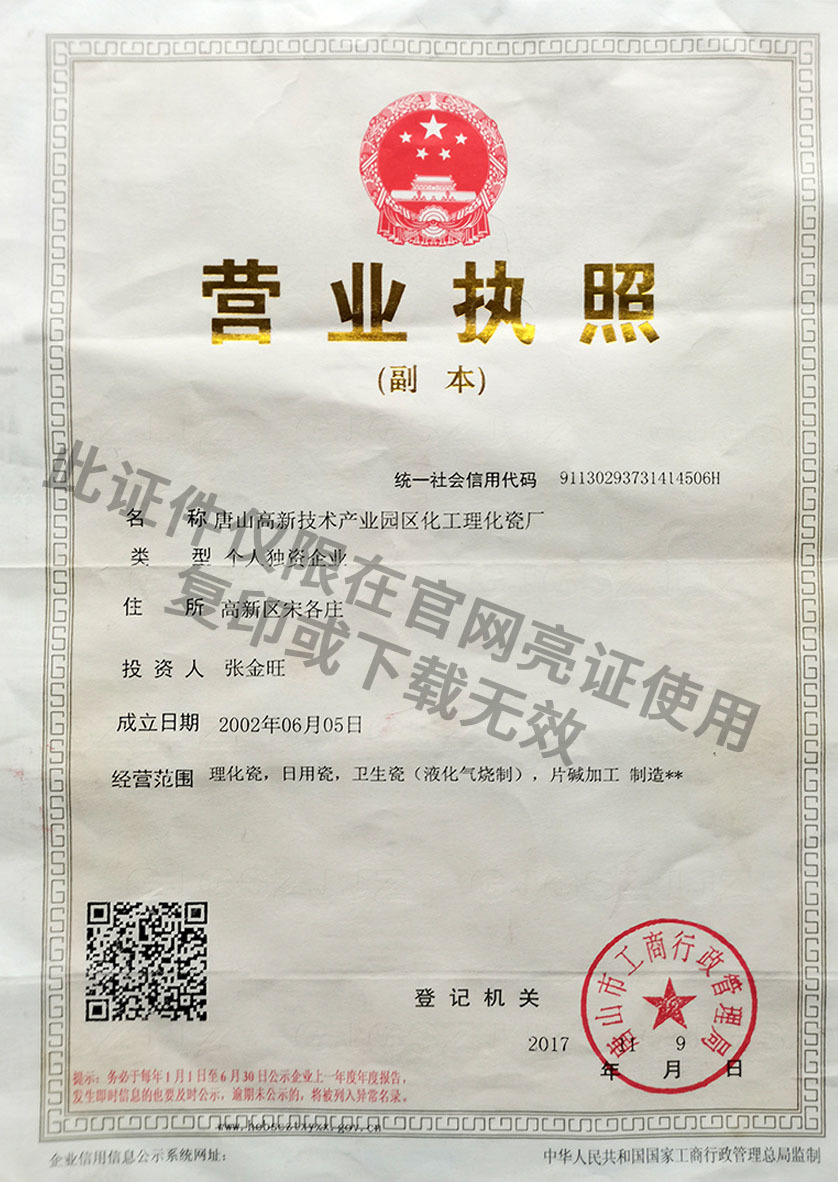
Tangshan High-tech Industrial Park Chemical Physical and Chemical Porcelain Factory
Tangshan Physical and Chemical Ceramics Co., Ltd.
Address: Songgezhuang Chemical and Physical Porcelain Factory, Tangshan High-tech Industrial Development Zone
Telephone: +86-315-5509570 、 +86-315-5509222
Mobile: +86-13903372399 、+86-13832559317
Email: tshglhcc@163.com


Product Center
Follow Us

Online Consultation
If you have any needs, please leave a message, and we will contact you as soon as possible.