language
Laboratory safety operation: Correct use of corundum crucible to avoid experimental accidents
2025-01-29
Laboratory Safety Operation: Correct Use of Alumina Crucibles to Avoid Experimental Accidents In modern laboratories, various ceramic consumables have become indispensable tools. Alumina crucibles, in particular, are widely used in experiments such as metal smelting and chemical reactions due to their excellent high-temperature resistance and chemical stability. However, although alumina crucibles are powerful, improper use can also lead to experimental accidents. So, how to correctly use these laboratory ceramic consumables? 1. Understanding the characteristics of alumina crucibles First, we need to understand the characteristics of alumina crucibles. Alumina crucibles are made of alumina (also known as aluminum oxide), a material that is resistant to high temperatures and can typically withstand temperatures up to 1600 degrees Celsius. It not only has good thermal conductivity, but also has good resistance to a variety of acidic and alkaline chemicals. Therefore, alumina crucibles perform particularly well in some high-temperature and corrosive environments. However, its brittleness cannot be ignored; a slight carelessness may cause the crucible to break, resulting in experimental accidents. 2. Preparation before use Before using the alumina crucible, sufficient preparation is crucial. First, ensure that your laboratory environment is clean and orderly, and all laboratory ceramic consumables should be placed in appropriate locations. Check the alumina crucible for
Laboratory Safety Operation: Correct Use of Alumina Crucibles to Avoid Experimental Accidents
In modern laboratories, various ceramic consumables have become indispensable tools. Alumina crucibles, in particular, are widely used in metal smelting and chemical reactions due to their excellent high-temperature resistance and chemical stability. However, while alumina crucibles are powerful tools, improper use can lead to experimental accidents. So, how should these laboratory ceramic consumables be used correctly?
1. Understanding the Characteristics of Alumina Crucibles
First, we need to understand the characteristics of alumina crucibles. Alumina crucibles are made of alumina (or aluminum oxide), a material that is highly resistant to high temperatures, typically withstanding temperatures up to 1600 degrees Celsius or more. It not only has good thermal conductivity but also excellent resistance to many acidic and alkaline chemicals. Therefore, alumina crucibles perform exceptionally well in high-temperature and corrosive environments. However, their brittleness should not be overlooked; a slight misstep can cause the crucible to crack, leading to experimental accidents.
2. Preparatory Work Before Use
Before using an alumina crucible, adequate preparation is crucial. First, ensure that your laboratory environment is clean and orderly, and that all laboratory ceramic consumables are placed in appropriate locations. Check the alumina crucible for any obvious defects, such as cracks or damage. If problems are found, be sure to replace it; do not take any chances.
Second, select appropriate experimental equipment and tools. For example, use high-temperature resistant tongs to handle the crucible, rather than grabbing it directly with your hands. This not only avoids burns but also reduces the risk of collisions with the crucible.
3. Correct Heating Operation
When heating an alumina crucible, using the appropriate furnace is key. Have you ever seen an alumina crucible crack in an experiment due to uneven heating? This is usually due to excessively rapid temperature changes. To avoid this, we should adopt a gradual heating method. For example, the crucible can be placed in a preheated furnace and the temperature slowly increased, rather than directly placing it in a high-temperature environment. This not only protects the crucible but also ensures the safety of the experiment.
4. Precautions When Handling Chemicals
When carrying out chemical reactions, ensure that the chemicals used are suitable for reaction in an alumina crucible. Certain chemicals may react with the crucible, causing its performance to deteriorate or producing harmful gases. Therefore, understanding the properties of the chemicals used is crucial.
At the same time, during the stirring and mixing process, care should be taken to use appropriate tools and avoid excessive force, which could cause the crucible to be impacted. Carefulness and patience are key to experimental success.
5. Safety Precautions
Safety precautions are equally important. During the experiment, wearing appropriate personal protective equipment, such as goggles, gloves, and lab coats, is fundamental to protecting yourself from accidental injury. Have you ever considered that every small mistake in the lab could lead to unexpected consequences? Therefore, ensuring the use of correct protective measures can minimize risks.
6. Post-Experiment Handling
After the experiment, care should also be taken when handling the alumina crucible. Allow the crucible to cool naturally; do not rush to cool it with water, as this may cause thermal stress leading to cracking. Also, properly clean any residual material inside the crucible to ensure it is not affected during the next use.
Summary
In summary, alumina crucibles, as laboratory ceramic consumables, present both challenges and opportunities during their use. Correct operation and meticulous safety measures can effectively avoid experimental accidents. It is hoped that every experimenter will remain vigilant during experiments and carefully consider every detail. After all, in the world of science, safety always comes first.
Recommended news
2026-05-23
2026-04-08
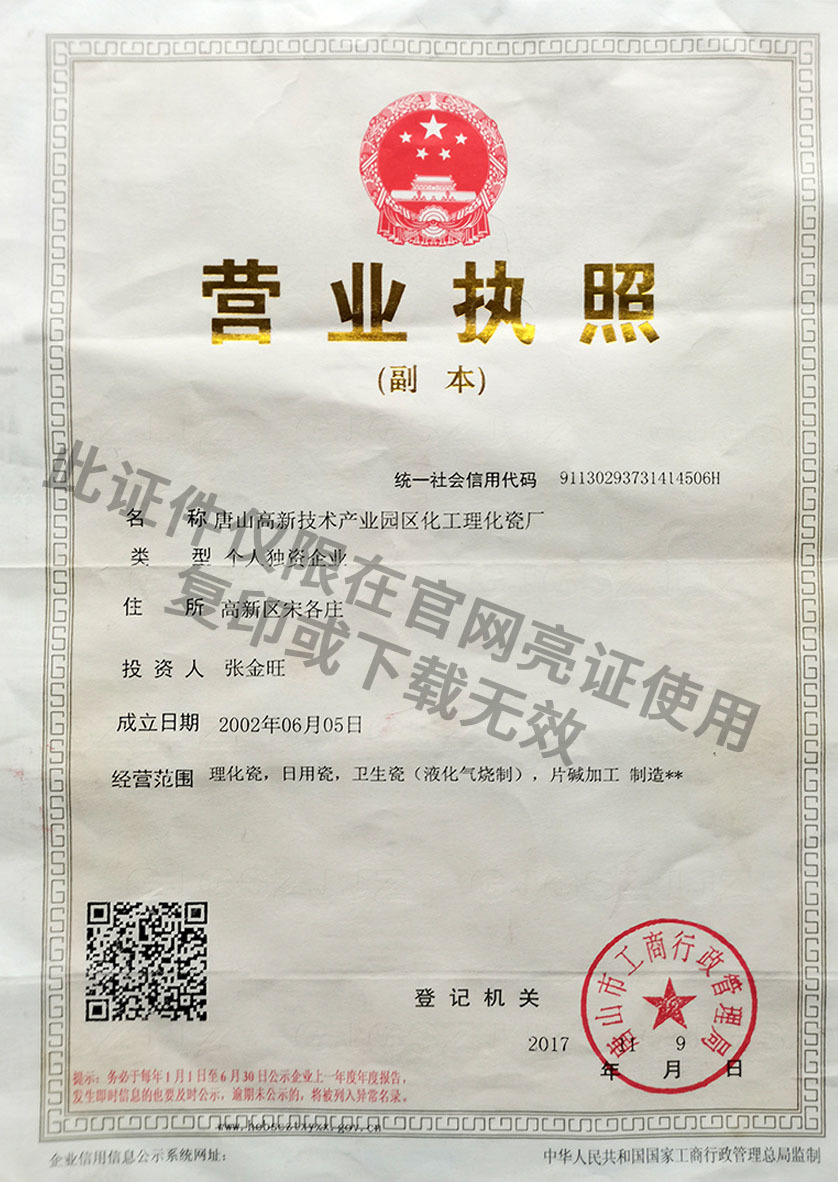
Tangshan High-tech Industrial Park Chemical Physical and Chemical Porcelain Factory
Tangshan Physical and Chemical Ceramics Co., Ltd.
Address: Songgezhuang Chemical and Physical Porcelain Factory, Tangshan High-tech Industrial Development Zone
Telephone: +86-315-5509570 、 +86-315-5509222
Mobile: +86-13903372399 、+86-13832559317
Email: tshglhcc@163.com


Product Center
Follow Us

Online Consultation
If you have any needs, please leave a message, and we will contact you as soon as possible.