language
Essential for high-temperature experiments: Selection and usage of laboratory ceramic consumables
2024-12-20
Essential for High-Temperature Experiments: Selection and Usage of Laboratory Ceramic Consumables. High-temperature experiments are often unavoidable in laboratories. Whether it's chemical reactions, materials testing, or life science research, high-temperature experiments require suitable materials to ensure accuracy and safety. In this regard, laboratory ceramic consumables, as an important type of experimental equipment, are gradually becoming an essential choice for various experiments. So, how should these ceramic consumables be selected and used? Today, let's discuss this topic. What are laboratory ceramic consumables? Laboratory ceramic consumables can be understood as ceramic products used in high-temperature experiments. They usually have good high-temperature resistance, corrosion resistance, and chemical inertness. These characteristics allow ceramic materials to maintain good performance even in extreme environments such as high temperatures, strong acids, and strong alkalis. Common ceramic consumables include crucibles, beakers, and Petri dishes. But have you ever wondered why ceramic materials can still perform well at high temperatures? This is due to their special structure and composition. Ceramic materials are usually made by high-temperature firing of inorganic non-metallic materials, which makes them top-notch in terms of thermal stability and mechanical strength. Key Factors in Selecting Ceramic Consumables When selecting laboratory ceramic consumables, there are several key factors
Essential for High-Temperature Experiments: Selection and Usage of Laboratory Ceramic Consumables
In the laboratory, high-temperature experiments are often unavoidable. Whether it's chemical reactions, materials testing, or life science research, high-temperature experiments require suitable materials to ensure the accuracy and safety of the experiment. In this regard, laboratory ceramic consumables, as an important experimental instrument, are gradually becoming an essential choice for various experiments. So, how exactly should these ceramic consumables be selected and used? Today, let's talk about this topic.
What are laboratory ceramic consumables?
Laboratory ceramic consumables can be understood as ceramic products used for high-temperature experiments. They usually have good high-temperature resistance, corrosion resistance, and chemical inertness. These characteristics allow ceramic materials to maintain good performance even in extreme environments such as high temperatures, strong acids, and strong alkalis. Common ceramic consumables include crucibles, beakers, and Petri dishes.
But have you ever wondered why ceramic materials can still perform well at high temperatures? This is due to their special structure and composition. Ceramic materials are usually made by high-temperature firing of inorganic non-metallic materials, which makes them top-notch in terms of thermal stability and mechanical strength.
Key Factors in Selecting Ceramic Consumables
Several key factors need to be considered when selecting laboratory ceramic consumables. First is high-temperature performance. Different ceramic materials withstand different temperature ranges. Choosing ceramic consumables with superior high-temperature performance can ensure safety and reliability during the experiment.
Second is chemical stability. You want your experimental materials not to react unnecessarily with the reactants at high temperatures, right? Choosing ceramic materials with high chemical inertness can avoid unexpected chemical reactions during the experiment, affecting the accuracy of the data.
Another is size and shape. In the laboratory, suitable size and shape are crucial for the smooth progress of the experiment. Ensure that the ceramic consumables you choose meet the specific needs of the experiment to avoid experimental failure due to unsuitable size.
Usage of Laboratory Ceramic Consumables
Once you have chosen the right ceramic consumables, the next step is how to use them. First, carefully check the ceramic consumables for cracks or damage before use. If you find a problem, do not risk using it; this may lead to experimental failure or even safety hazards.
Next, before conducting high-temperature experiments, it is best to preheat the ceramic consumables. Preheating helps the consumables adapt better to the high-temperature environment and reduces the impact of sudden temperature changes on the ceramic material. This is especially important in high-temperature experiments.
During the experiment, following the correct heating and cooling steps is also crucial. Too fast heating and cooling can cause the ceramic material to crack, so it is recommended to use gradual heating and cooling to give the ceramic material sufficient adaptation time.
Finally, cleaning the ceramic consumables after the experiment is also important. Although ceramic materials have good corrosion resistance, long-term contact with chemical reagents may still leave residues. Using appropriate cleaning agents and methods to keep the ceramic consumables clean can extend their service life.
Summary
Selecting and using laboratory ceramic consumables is not a simple matter, but after mastering these basic points, you can effectively cope with the challenges of high-temperature experiments. Remember, the success or failure of high-temperature experiments is often closely related to the selection and usage of ceramic consumables. I hope you can find the most suitable ceramic consumables in the laboratory and successfully complete each experiment.
Recommended news
2026-05-23
2026-04-08
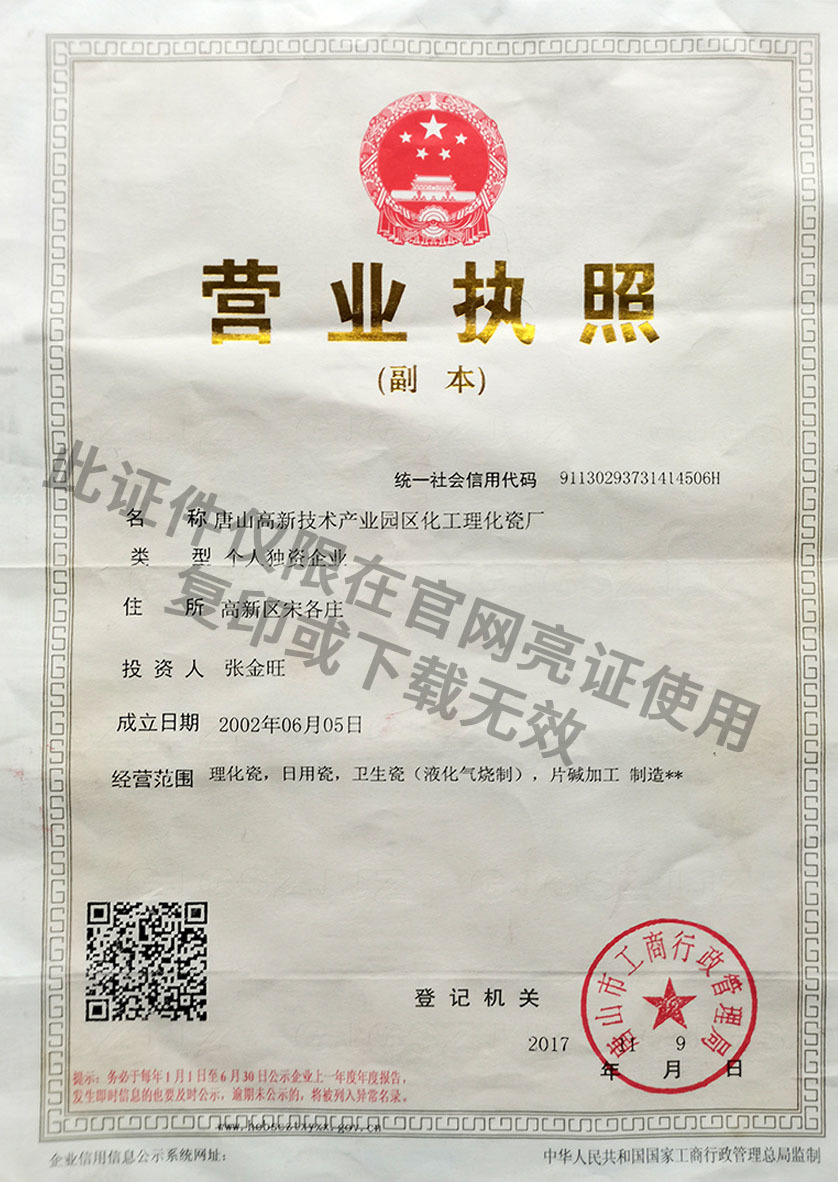
Tangshan High-tech Industrial Park Chemical Physical and Chemical Porcelain Factory
Tangshan Physical and Chemical Ceramics Co., Ltd.
Address: Songgezhuang Chemical and Physical Porcelain Factory, Tangshan High-tech Industrial Development Zone
Telephone: +86-315-5509570 、 +86-315-5509222
Mobile: +86-13903372399 、+86-13832559317
Email: tshglhcc@163.com


Product Center
Follow Us

Online Consultation
If you have any needs, please leave a message, and we will contact you as soon as possible.