language
Innovation and Development of Industrial Ceramics: Application of New Materials in the Chemical Industry
2024-10-31
Innovative Development of Industrial Ceramics: Application of New Materials in the Chemical Industry In today's rapidly developing technological era, industrial ceramics, as an important material, are undergoing unprecedented innovation and transformation. Especially in the chemical industry, the application of industrial ceramics is becoming increasingly widespread, with straight cylindrical crucibles playing an indispensable role as key tools. This article will take you on an in-depth exploration of the innovative development of industrial ceramics and how new materials are changing the face of the chemical industry. Basic Concepts of Industrial Ceramics First of all, what are industrial ceramics? They refer to ceramic materials used in industrial production, possessing high heat resistance, corrosion resistance, and excellent mechanical properties. These characteristics have led to the widespread application of industrial ceramics in various fields such as chemicals, electronics, and aerospace. In the chemical industry, straight cylindrical crucibles, as commonly used ceramic instruments, are mainly used in melting and sintering processes. The superior performance of this type of crucible makes it a popular choice in chemical laboratories and production lines. Advantages of Straight Cylindrical Crucibles You might ask, why are straight cylindrical crucibles so popular? First, their structural design is very reasonable, allowing for uniform heat transfer and avoiding the generation of hot spots, thus ensuring the stability of the melting process. In addition, the high-temperature resistance of straight cylindrical crucibles allows them to withstand extreme working environments.
Innovative Development of Industrial Ceramics: Application of New Materials in the Chemical Industry
In today's rapidly developing technological era, industrial ceramics, as an important material, are undergoing unprecedented innovation and transformation. Especially in the chemical industry, the application of industrial ceramics is becoming increasingly widespread, with straight cylindrical crucibles playing an indispensable role as key tools. This article will take you to a deeper understanding of the innovative development of industrial ceramics and how new materials are changing the face of the chemical industry.
Basic Concepts of Industrial Ceramics
First, what are industrial ceramics? They refer to ceramic materials used in industrial production, possessing high heat resistance, corrosion resistance, and excellent mechanical properties. These characteristics have led to the widespread application of industrial ceramics in various fields such as chemicals, electronics, and aerospace. In the chemical industry, straight cylindrical crucibles, as commonly used ceramic instruments, are mainly used in melting and sintering processes. The superior performance of this type of crucible makes it a popular choice in chemical laboratories and production lines.
Advantages of Straight Cylindrical Crucibles
You might ask, why are straight cylindrical crucibles so popular? First, their structural design is very reasonable, allowing for uniform heat transfer and avoiding the generation of hot spots, thus ensuring the stability of the melting process. In addition, the high-temperature resistance of straight cylindrical crucibles allows them to withstand extreme working environments, ensuring the smooth progress of chemical reactions.
Furthermore, straight cylindrical crucibles also exhibit excellent corrosion resistance. The chemical industry often involves reactions with various strong acids and bases, and ordinary materials often cannot withstand these extreme conditions. However, straight cylindrical crucibles can effectively resist these chemical erosions, extending their service life, reducing replacement frequency, and greatly improving work efficiency.
The Rise of New Materials
With the advancement of technology, various new ceramic materials are constantly emerging. For example, composite ceramics and nano-ceramics are gradually replacing traditional materials. In the chemical industry, the introduction of these new materials has not only improved the performance of straight cylindrical crucibles but has also opened up new application directions in other fields. For example, nano-ceramics can operate at higher temperatures and adapt to more demanding chemical environments. Composite ceramics combine the advantages of multiple materials, injecting new vitality into the development of industrial ceramics.
Innovation-Driven Future
In the face of intensifying market competition, how can enterprises utilize the innovative development of industrial ceramics to enhance their competitiveness? An effective strategy is to increase investment in new material research. For example, developing higher-strength, lighter straight cylindrical crucibles to meet the market demand for high-performance materials. At the same time, enterprises can also cooperate with research institutions to jointly explore new application areas for ceramic materials and develop new markets.
Conclusion
In summary, the innovative development of industrial ceramics in the chemical industry is of great significance. Straight cylindrical crucibles, as a representative, are playing an increasingly important role due to their excellent performance. With the continuous emergence of new materials, we have reason to believe that the future of industrial ceramics will be brighter. Both enterprises and research institutions should actively embrace this change and jointly promote the progress and development of the industry.
Recommended news
2026-05-23
2026-04-08
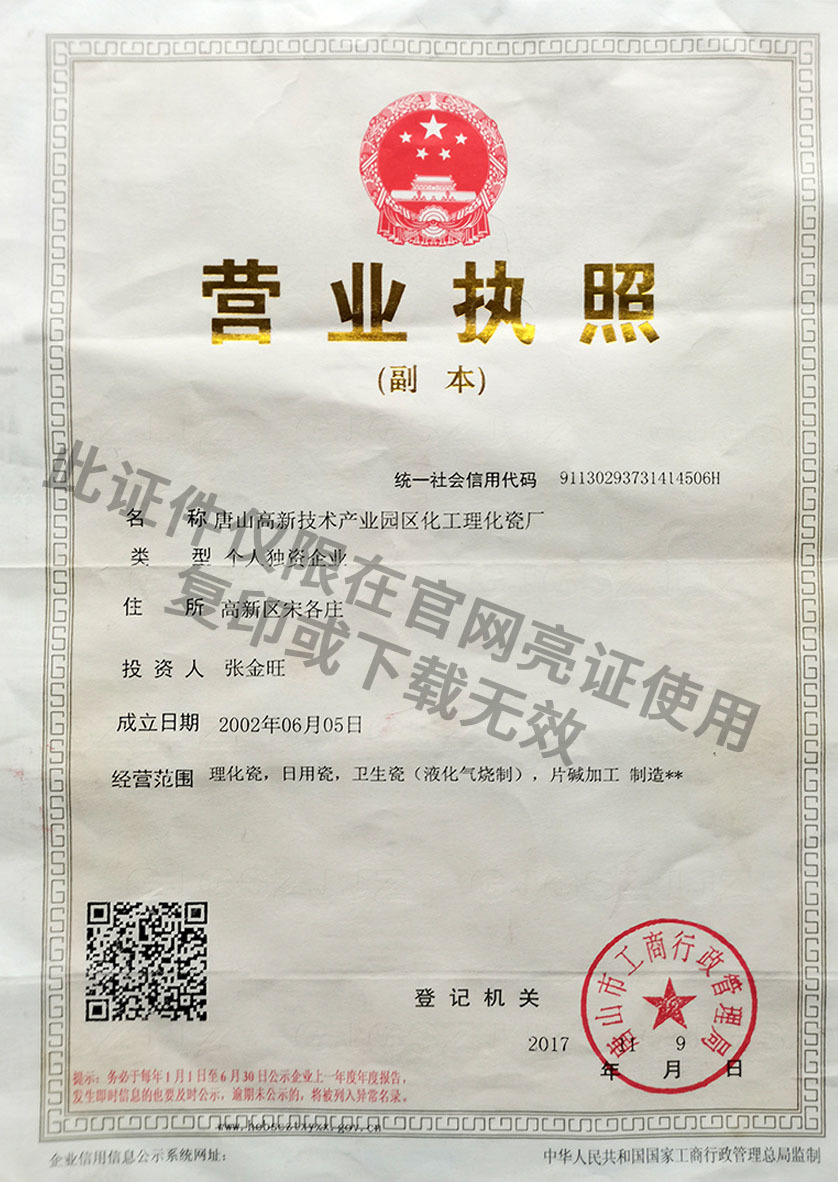
Tangshan High-tech Industrial Park Chemical Physical and Chemical Porcelain Factory
Tangshan Physical and Chemical Ceramics Co., Ltd.
Address: Songgezhuang Chemical and Physical Porcelain Factory, Tangshan High-tech Industrial Development Zone
Telephone: +86-315-5509570 、 +86-315-5509222
Mobile: +86-13903372399 、+86-13832559317
Email: tshglhcc@163.com


Product Center
Follow Us

Online Consultation
If you have any needs, please leave a message, and we will contact you as soon as possible.