language
Different types of ceramic crucibles and their uses
2024-06-23
Ceramic crucibles are widely used containers in laboratories and industrial production, capable of withstanding high temperatures and chemical erosion. For high-temperature ceramics, crucibles are one of the important application areas. Today, we will explore together the different types of ceramic crucibles and their respective uses, and learn more about these high-temperature ceramic products. First, let's look at one of the most common types of ceramic crucibles—the alumina ceramic crucible. This crucible is made of alumina material and has excellent high-temperature resistance. It is commonly used in metal smelting, chemical analysis, and heat treatment. Alumina ceramic crucibles can withstand extremely high temperatures and are not easily eroded by chemicals. They are widely used in laboratories and industrial production. Another common type of ceramic crucible is the quartz ceramic crucible. Quartz ceramic crucibles are made of quartz glass and have excellent heat resistance and chemical stability. They are often used in high-temperature experiments and melting tests. Quartz ceramic crucibles are suitable for various laboratory and industrial environments and can stably withstand high temperatures and corrosion. In addition to the two types mentioned above, there are many other types of ceramic crucibles, such as silicon carbide ceramic crucibles and silicon nitride ceramic crucibles. They each have specific characteristics and uses, providing diverse options for applications in different fields.
Ceramic crucibles are widely used containers in laboratory and industrial settings, capable of withstanding high temperatures and chemical erosion. For high-temperature ceramics, crucibles represent a key application area. Today, we will explore the different types of ceramic crucibles and their respective uses, learning more about these high-temperature ceramic products.
First, let's look at one of the most common types of ceramic crucibles—the alumina ceramic crucible. Made from alumina, these crucibles possess excellent high-temperature properties and are typically used in metal smelting, chemical analysis, and heat treatment. Alumina ceramic crucibles can withstand extremely high temperatures, are resistant to chemical erosion, and are widely used in laboratories and industrial production.
Another common type of ceramic crucible is the quartz ceramic crucible. Made from quartz glass, quartz ceramic crucibles exhibit excellent heat resistance and chemical stability, often used in high-temperature and melting experiments. Quartz ceramic crucibles are suitable for various laboratory and industrial environments, reliably withstanding high temperatures and corrosion.
In addition to the two types mentioned above, there are many other types of ceramic crucibles, such as silicon carbide ceramic crucibles and silicon nitride ceramic crucibles. Each possesses specific properties and uses, offering diverse options for various applications.
In summary, high-temperature ceramic crucibles play a crucial role in laboratory and industrial production. Different types of ceramic crucibles are suitable for different scenarios, each with its unique advantages and characteristics. Selecting the appropriate type of ceramic crucible allows for more efficient high-temperature experiments and melting processes, improving production efficiency and quality.
First, let's look at one of the most common types of ceramic crucibles—the alumina ceramic crucible. Made from alumina, these crucibles possess excellent high-temperature properties and are typically used in metal smelting, chemical analysis, and heat treatment. Alumina ceramic crucibles can withstand extremely high temperatures, are resistant to chemical erosion, and are widely used in laboratories and industrial production.
Another common type of ceramic crucible is the quartz ceramic crucible. Made from quartz glass, quartz ceramic crucibles exhibit excellent heat resistance and chemical stability, often used in high-temperature and melting experiments. Quartz ceramic crucibles are suitable for various laboratory and industrial environments, reliably withstanding high temperatures and corrosion.
In addition to the two types mentioned above, there are many other types of ceramic crucibles, such as silicon carbide ceramic crucibles and silicon nitride ceramic crucibles. Each possesses specific properties and uses, offering diverse options for various applications.
In summary, high-temperature ceramic crucibles play a crucial role in laboratory and industrial production. Different types of ceramic crucibles are suitable for different scenarios, each with its unique advantages and characteristics. Selecting the appropriate type of ceramic crucible allows for more efficient high-temperature experiments and melting processes, improving production efficiency and quality.
Recommended news
2026-05-23
2026-04-08
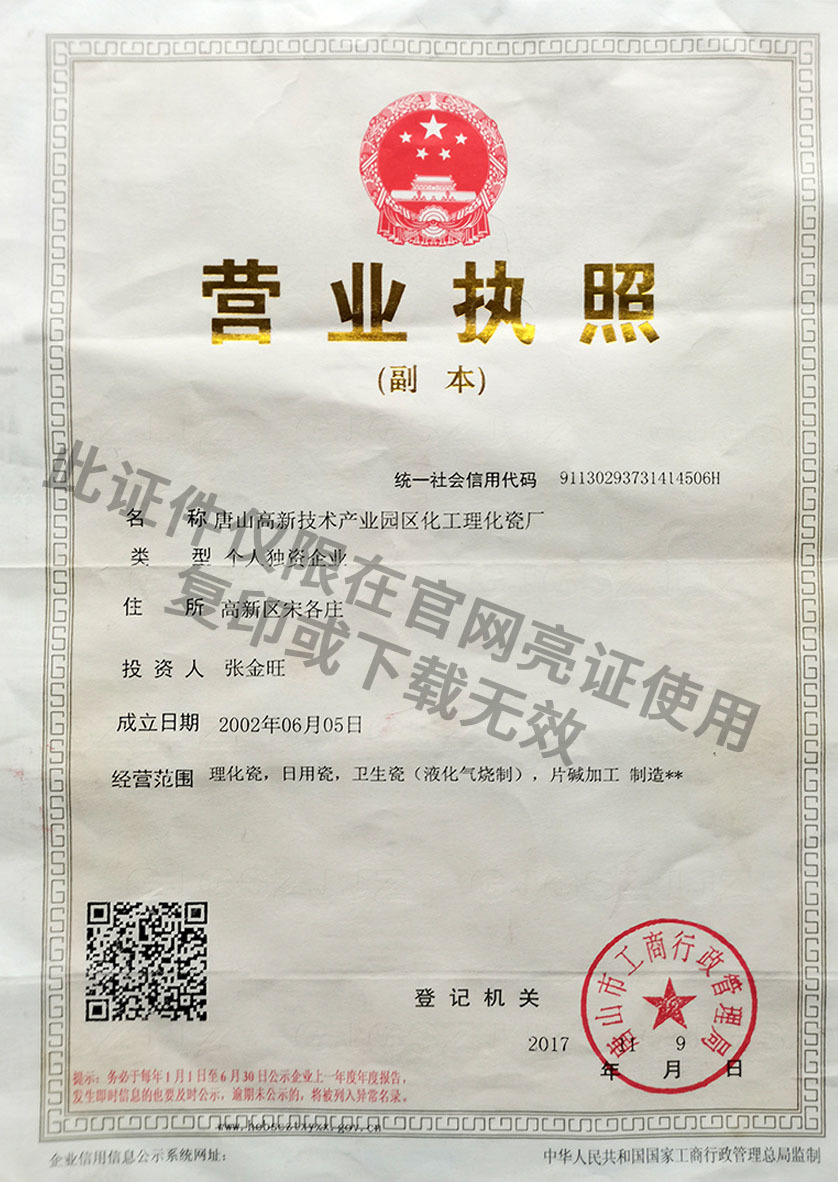
Tangshan High-tech Industrial Park Chemical Physical and Chemical Porcelain Factory
Tangshan Physical and Chemical Ceramics Co., Ltd.
Address: Songgezhuang Chemical and Physical Porcelain Factory, Tangshan High-tech Industrial Development Zone
Telephone: +86-315-5509570 、 +86-315-5509222
Mobile: +86-13903372399 、+86-13832559317
Email: tshglhcc@163.com


Product Center
Follow Us

Online Consultation
If you have any needs, please leave a message, and we will contact you as soon as possible.