language
Classification of industrial ceramics and their role in manufacturing
2024-04-06
Industrial ceramics are materials that play a significant role in manufacturing, and their high-temperature resistance makes them an indispensable part of the manufacturing process. This article will explore the classification of industrial ceramics and their role in manufacturing. High-temperature ceramics, as a type of industrial ceramic, possess extremely high heat resistance and corrosion resistance, capable of withstanding extreme conditions in high-temperature environments. They are widely used in thermal industries, chemical engineering, electronics, medicine, and other fields. Industrial ceramics can be classified into different types according to their composition and use, such as alumina ceramics, boron nitride ceramics, and silicon carbide ceramics. These high-temperature ceramics play different roles in manufacturing. For example, alumina ceramics are often used in high-temperature furnaces and electronic devices, while boron nitride ceramics are often used in high-temperature sintering and cutting processes. In general, the classification and application range of industrial ceramics are very wide, and their role in manufacturing is irreplaceable. By gaining a deeper understanding of the properties and uses of industrial ceramics, we can better utilize this material to improve manufacturing efficiency and quality.
Industrial ceramics are a crucial material in manufacturing, their high-temperature resistance making them indispensable in various processes. This article will explore the classification of industrial ceramics and their role in manufacturing. High-temperature ceramics, a type of industrial ceramic, possess exceptional heat and corrosion resistance, capable of withstanding extreme conditions in high-temperature environments. They are widely used in thermal industries, chemical engineering, electronics, and medical fields.
Industrial ceramics can be categorized into different types based on their composition and applications, such as alumina ceramics, boron nitride ceramics, and silicon carbide ceramics. These high-temperature ceramics play distinct roles in manufacturing; for example, alumina ceramics are often used in high-temperature furnaces and electronic components, while boron nitride ceramics are commonly used in high-temperature sintering and cutting processes.
In summary, industrial ceramics encompass a broad range of classifications and applications, playing an irreplaceable role in manufacturing. A thorough understanding of the properties and uses of industrial ceramics allows for better utilization of this material, thereby improving manufacturing efficiency and quality.
Industrial ceramics can be categorized into different types based on their composition and applications, such as alumina ceramics, boron nitride ceramics, and silicon carbide ceramics. These high-temperature ceramics play distinct roles in manufacturing; for example, alumina ceramics are often used in high-temperature furnaces and electronic components, while boron nitride ceramics are commonly used in high-temperature sintering and cutting processes.
In summary, industrial ceramics encompass a broad range of classifications and applications, playing an irreplaceable role in manufacturing. A thorough understanding of the properties and uses of industrial ceramics allows for better utilization of this material, thereby improving manufacturing efficiency and quality.
Recommended news
2026-05-23
2026-04-08
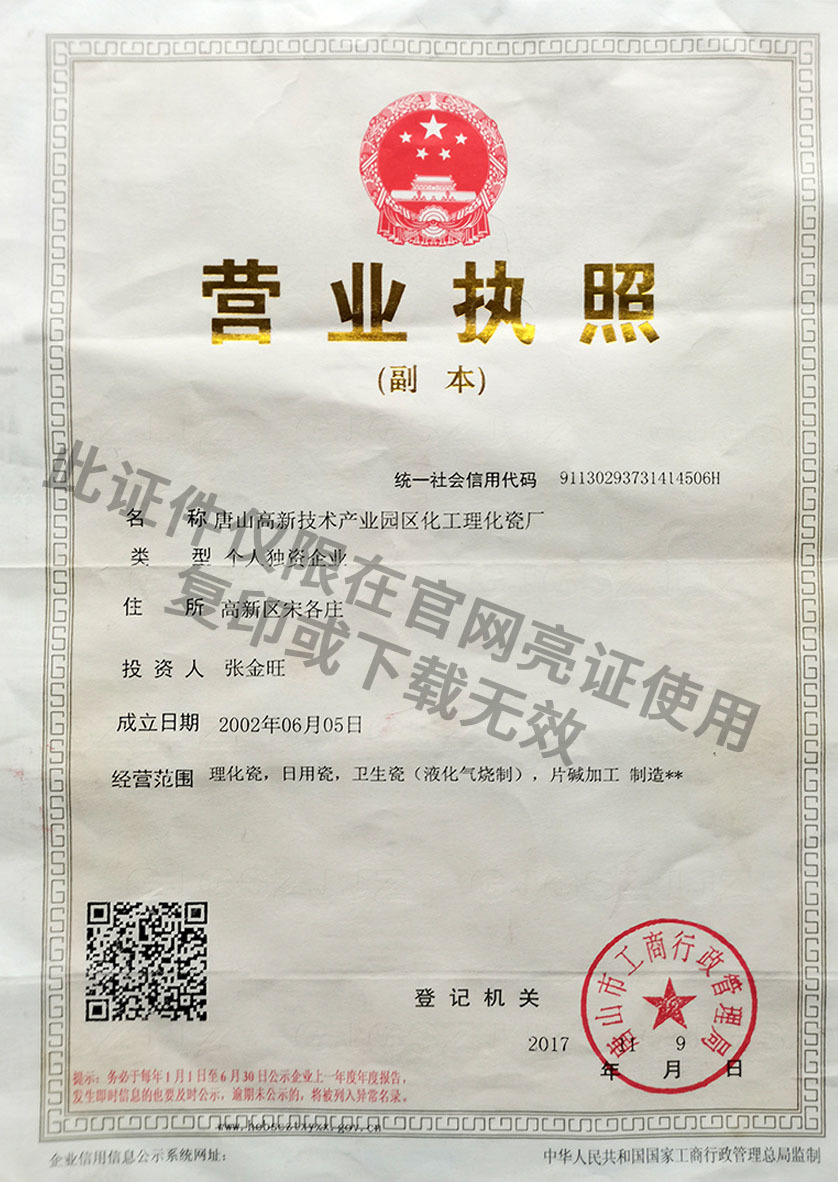
Tangshan High-tech Industrial Park Chemical Physical and Chemical Porcelain Factory
Tangshan Physical and Chemical Ceramics Co., Ltd.
Address: Songgezhuang Chemical and Physical Porcelain Factory, Tangshan High-tech Industrial Development Zone
Telephone: +86-315-5509570 、 +86-315-5509222
Mobile: +86-13903372399 、+86-13832559317
Email: tshglhcc@163.com


Product Center
Follow Us

Online Consultation
If you have any needs, please leave a message, and we will contact you as soon as possible.