language
Straight crucible vs. muffle furnace alumina tube: Which is more suitable for a high-temperature laboratory?
2024-01-25
Straight crucible vs. muffle furnace alumina tube: Which is more suitable for high-temperature laboratories? In high-temperature laboratories, selecting the right equipment is crucial. Straight crucibles and muffle furnace alumina tubes are two common pieces of high-temperature laboratory equipment, each with its own advantages and characteristics. This article will explore the differences between straight crucibles and muffle furnace alumina tubes and analyze which is more suitable for use in high-temperature laboratories. First, let's understand straight crucibles. A straight crucible is a container used to hold high-temperature experiments, usually made of high-temperature ceramic materials. Straight crucibles have good thermal conductivity and chemical erosion resistance, allowing them to withstand and protect experimental samples at high temperatures. Straight crucibles also have high stability and durability, able to withstand long periods of high-temperature operation. In comparison, a muffle furnace alumina tube is a heating device used for high-temperature experiments. The muffle furnace alumina tube is made of alumina material and has excellent thermal conductivity and chemical stability. The muffle furnace alumina tube can provide a uniform heating temperature distribution, ensuring that experimental samples can be tested under the same temperature conditions. In addition, the muffle furnace alumina tube also has a faster heating and cooling rate, making the experimental process more efficient. So, which is more suitable for high-temperature laboratories, straight crucibles or muffle furnace alumina tubes?
Straight crucible vs. muffle furnace alumina tube: Which is more suitable for high-temperature laboratories?
In high-temperature laboratories, selecting the right equipment is crucial. Straight crucibles and muffle furnace alumina tubes are two common types of high-temperature laboratory equipment, each with its own advantages and characteristics. This article will explore the differences between straight crucibles and muffle furnace alumina tubes and analyze which is more suitable for use in high-temperature laboratories.
First, let's understand straight crucibles. A straight crucible is a container used to hold high-temperature experiments, usually made of high-temperature resistant ceramic materials. Straight crucibles have good thermal conductivity and resistance to chemical erosion, allowing them to withstand and protect experimental samples at high temperatures. Straight crucibles also have high stability and durability, able to withstand long periods of high-temperature operation.
In comparison, a muffle furnace alumina tube is a heating device used for high-temperature experiments. Made of alumina material, it has excellent thermal conductivity and chemical stability. The muffle furnace alumina tube can provide a uniform heating temperature distribution, ensuring that experimental samples can be tested under the same temperature conditions. In addition, the muffle furnace alumina tube also has faster heating and cooling speeds, making the experimental process more efficient.
So, which is more suitable for high-temperature laboratories, straight crucibles or muffle furnace alumina tubes? The answer isn't a simple "one is better." It actually depends on the specific experimental needs and objectives.
If the experiment requires heat treatment of the sample and requires a uniform temperature distribution, then the muffle furnace alumina tube is a better choice. The uniform heating and rapid heating and cooling characteristics of the muffle furnace alumina tube can provide more accurate experimental results.
On the other hand, if the experiment requires storing and protecting samples at high temperatures, or requires long-term continuous high-temperature operation, then a straight crucible is more suitable. The high-temperature resistance and chemical erosion resistance of the straight crucible can protect the stability of the sample and ensure the reliability of the experiment.
In summary, the choice between a straight crucible and a muffle furnace alumina tube should be determined based on the specific experimental needs and objectives. Both have their own advantages and applicable scopes; there is no definitively "better" or "more suitable" option. In the laboratory, selecting the most appropriate equipment based on the specific situation can ensure the accuracy and reliability of the experiment.
Introduction: In high-temperature laboratories, selecting the right equipment is crucial. This article will explore the differences between straight crucibles and muffle furnace alumina tubes and analyze which is more suitable for use in high-temperature laboratories. Both straight crucibles and muffle furnace alumina tubes have their own advantages and applicable scopes; only by choosing according to specific experimental needs can the accuracy and reliability of the experiment be ensured.
In high-temperature laboratories, selecting the right equipment is crucial. Straight crucibles and muffle furnace alumina tubes are two common types of high-temperature laboratory equipment, each with its own advantages and characteristics. This article will explore the differences between straight crucibles and muffle furnace alumina tubes and analyze which is more suitable for use in high-temperature laboratories.
First, let's understand straight crucibles. A straight crucible is a container used to hold high-temperature experiments, usually made of high-temperature resistant ceramic materials. Straight crucibles have good thermal conductivity and resistance to chemical erosion, allowing them to withstand and protect experimental samples at high temperatures. Straight crucibles also have high stability and durability, able to withstand long periods of high-temperature operation.
In comparison, a muffle furnace alumina tube is a heating device used for high-temperature experiments. Made of alumina material, it has excellent thermal conductivity and chemical stability. The muffle furnace alumina tube can provide a uniform heating temperature distribution, ensuring that experimental samples can be tested under the same temperature conditions. In addition, the muffle furnace alumina tube also has faster heating and cooling speeds, making the experimental process more efficient.
So, which is more suitable for high-temperature laboratories, straight crucibles or muffle furnace alumina tubes? The answer isn't a simple "one is better." It actually depends on the specific experimental needs and objectives.
If the experiment requires heat treatment of the sample and requires a uniform temperature distribution, then the muffle furnace alumina tube is a better choice. The uniform heating and rapid heating and cooling characteristics of the muffle furnace alumina tube can provide more accurate experimental results.
On the other hand, if the experiment requires storing and protecting samples at high temperatures, or requires long-term continuous high-temperature operation, then a straight crucible is more suitable. The high-temperature resistance and chemical erosion resistance of the straight crucible can protect the stability of the sample and ensure the reliability of the experiment.
In summary, the choice between a straight crucible and a muffle furnace alumina tube should be determined based on the specific experimental needs and objectives. Both have their own advantages and applicable scopes; there is no definitively "better" or "more suitable" option. In the laboratory, selecting the most appropriate equipment based on the specific situation can ensure the accuracy and reliability of the experiment.
Introduction: In high-temperature laboratories, selecting the right equipment is crucial. This article will explore the differences between straight crucibles and muffle furnace alumina tubes and analyze which is more suitable for use in high-temperature laboratories. Both straight crucibles and muffle furnace alumina tubes have their own advantages and applicable scopes; only by choosing according to specific experimental needs can the accuracy and reliability of the experiment be ensured.
Recommended news
2026-05-23
2026-04-08
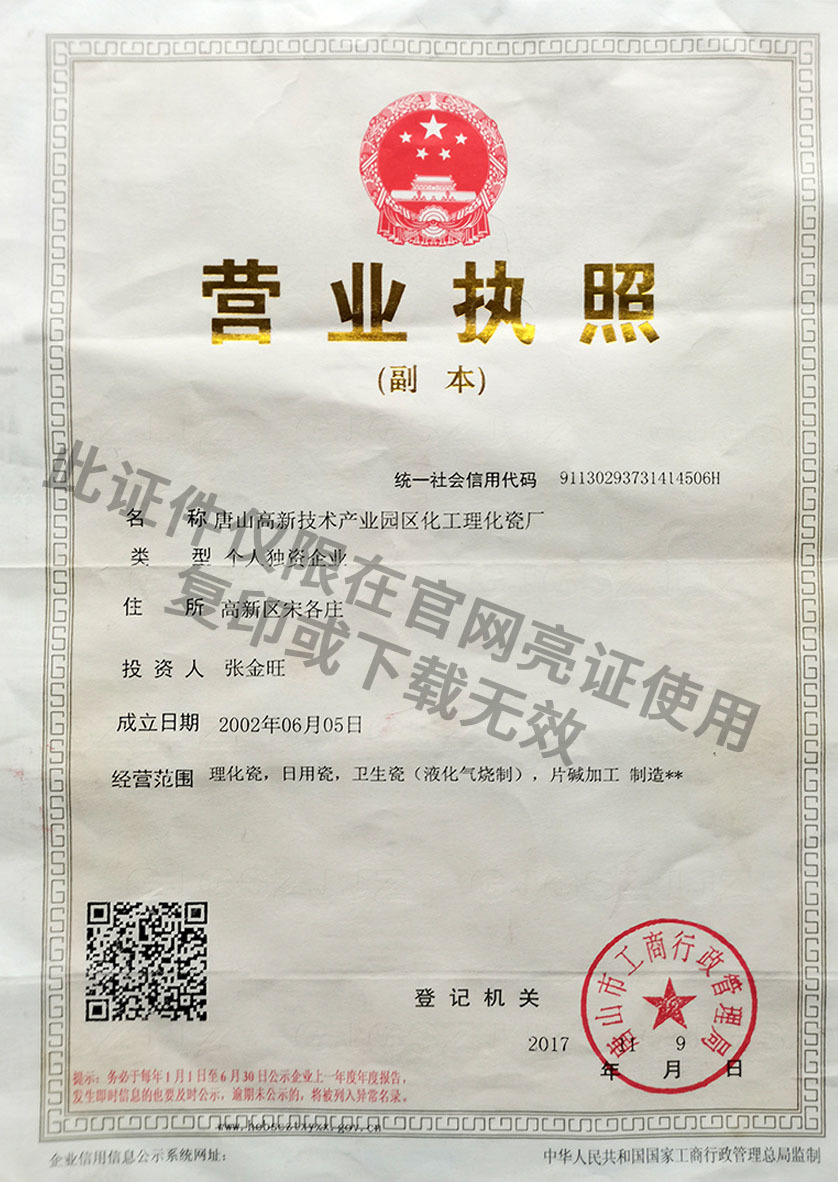
Tangshan High-tech Industrial Park Chemical Physical and Chemical Porcelain Factory
Tangshan Physical and Chemical Ceramics Co., Ltd.
Address: Songgezhuang Chemical and Physical Porcelain Factory, Tangshan High-tech Industrial Development Zone
Telephone: +86-315-5509570 、 +86-315-5509222
Mobile: +86-13903372399 、+86-13832559317
Email: tshglhcc@163.com


Product Center
Follow Us

Online Consultation
If you have any needs, please leave a message, and we will contact you as soon as possible.