language
Characteristics and Applications of High-Temperature Ceramic Tubes
2023-11-16
In the field of modern technology, high-temperature ceramic tubes, as an important material, have unique characteristics and wide applications. High-temperature ceramic tubes have characteristics such as high-temperature resistance, corrosion resistance, and excellent insulation performance, so they are widely used in electronics, chemical industry, and metallurgy industries. First, high-temperature resistance is one of the most obvious characteristics of high-temperature ceramic tubes. It can maintain stable performance for a long time in a high-temperature environment without deformation or damage due to temperature changes. This makes high-temperature ceramic tubes an ideal choice for many industrial fields, such as high-temperature sintering furnaces and high-temperature electric furnaces. Second, high-temperature ceramic tubes also have excellent corrosion resistance. In some corrosive media, conventional materials are easily corroded, worn, and embrittled, while high-temperature ceramic tubes can effectively resist the erosion of these corrosive media, ensuring the long-term stable operation of the equipment. In addition, high-temperature ceramic tubes also have good insulation performance. In the electronics industry, the stability of insulation performance is crucial to ensuring the normal operation of electrical equipment. The insulation performance of high-temperature ceramic tubes can effectively isolate the current and prevent electrical equipment from being interfered with and damaged. High-temperature ceramic tubes have a wide range of applications. In the electronics industry, it is widely used in semiconductor materials
Characteristics and Applications of High-Temperature Ceramic Tubes
In the field of modern technology, high-temperature ceramic tubes, as an important material, have unique characteristics and wide applications. High-temperature ceramic tubes have characteristics such as high-temperature resistance, corrosion resistance, and excellent insulation performance, therefore they are widely used in the electronics, chemical, and metallurgical industries.
First, high-temperature resistance is one of the most obvious characteristics of high-temperature ceramic tubes. It can maintain stable performance for a long time in a high-temperature environment without deformation or damage due to temperature changes. This makes high-temperature ceramic tubes an ideal choice for many industrial fields, such as high-temperature sintering furnaces and high-temperature electric furnaces.
Secondly, high-temperature ceramic tubes also have excellent corrosion resistance. In some corrosive media, conventional materials are easily corroded, worn, and embrittled, while high-temperature ceramic tubes can effectively resist the erosion of these corrosive media, ensuring the long-term stable operation of the equipment.
In addition, high-temperature ceramic tubes also have good insulation properties. In the electronics industry, the stability of insulation performance is crucial for ensuring the normal operation of electrical equipment. The insulation performance of high-temperature ceramic tubes can effectively isolate the current and prevent electrical equipment from being interfered with and damaged.
High-temperature ceramic tubes have a wide range of applications. In the electronics industry, it is widely used in the production of semiconductor materials, the manufacture of electronic components, and the protection of electronic equipment. In the chemical industry, high-temperature ceramic tubes are often used in pipeline systems carrying corrosive liquids to ensure the safety and stability of chemical production. In addition, in the metallurgical industry, high-temperature ceramic tubes are also used as protective sleeves for high-temperature smelting equipment to ensure the smooth progress of the smelting process.
In summary, high-temperature ceramic tubes have characteristics such as high-temperature resistance, corrosion resistance, and excellent insulation performance, and are widely used in the electronics, chemical, and metallurgical industries. Its special properties make it an indispensable material in many industrial fields.
In the field of modern technology, high-temperature ceramic tubes, as an important material, have unique characteristics and wide applications. High-temperature ceramic tubes have characteristics such as high-temperature resistance, corrosion resistance, and excellent insulation performance, therefore they are widely used in the electronics, chemical, and metallurgical industries.
First, high-temperature resistance is one of the most obvious characteristics of high-temperature ceramic tubes. It can maintain stable performance for a long time in a high-temperature environment without deformation or damage due to temperature changes. This makes high-temperature ceramic tubes an ideal choice for many industrial fields, such as high-temperature sintering furnaces and high-temperature electric furnaces.
Secondly, high-temperature ceramic tubes also have excellent corrosion resistance. In some corrosive media, conventional materials are easily corroded, worn, and embrittled, while high-temperature ceramic tubes can effectively resist the erosion of these corrosive media, ensuring the long-term stable operation of the equipment.
In addition, high-temperature ceramic tubes also have good insulation properties. In the electronics industry, the stability of insulation performance is crucial for ensuring the normal operation of electrical equipment. The insulation performance of high-temperature ceramic tubes can effectively isolate the current and prevent electrical equipment from being interfered with and damaged.
High-temperature ceramic tubes have a wide range of applications. In the electronics industry, it is widely used in the production of semiconductor materials, the manufacture of electronic components, and the protection of electronic equipment. In the chemical industry, high-temperature ceramic tubes are often used in pipeline systems carrying corrosive liquids to ensure the safety and stability of chemical production. In addition, in the metallurgical industry, high-temperature ceramic tubes are also used as protective sleeves for high-temperature smelting equipment to ensure the smooth progress of the smelting process.
In summary, high-temperature ceramic tubes have characteristics such as high-temperature resistance, corrosion resistance, and excellent insulation performance, and are widely used in the electronics, chemical, and metallurgical industries. Its special properties make it an indispensable material in many industrial fields.
Recommended news
2026-05-23
2026-04-08
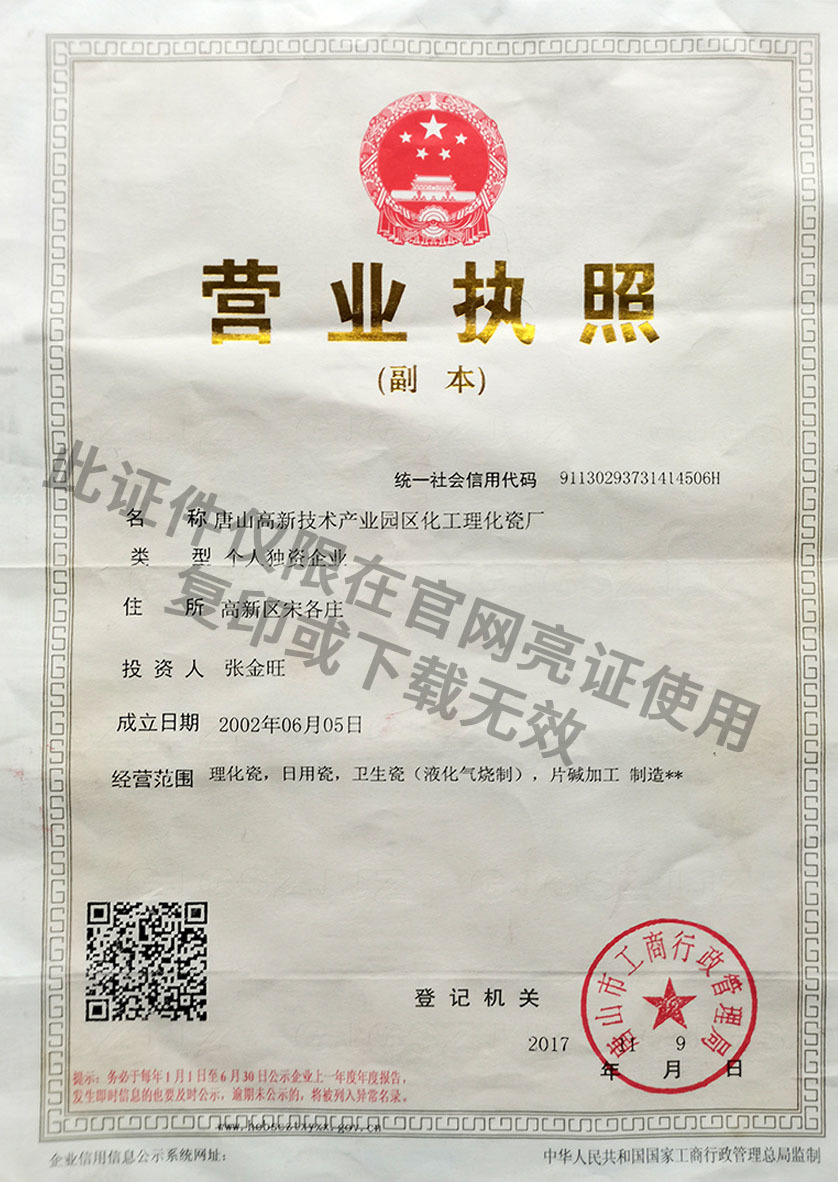
Tangshan High-tech Industrial Park Chemical Physical and Chemical Porcelain Factory
Tangshan Physical and Chemical Ceramics Co., Ltd.
Address: Songgezhuang Chemical and Physical Porcelain Factory, Tangshan High-tech Industrial Development Zone
Telephone: +86-315-5509570 、 +86-315-5509222
Mobile: +86-13903372399 、+86-13832559317
Email: tshglhcc@163.com


Product Center
Follow Us

Online Consultation
If you have any needs, please leave a message, and we will contact you as soon as possible.