language
Porcelain crucible manufacturer - how to choose the right corundum crucible
2023-06-19
Porcelain crucibles are essential tools in laboratories, primarily used to hold and heat chemical reagents. Alumina crucibles, known for their high hardness and refractory properties, are ideal for high-temperature heating experiments. However, selecting a suitable porcelain crucible manufacturer can be challenging. This article explores how to choose the right alumina crucible, offering helpful tips and suggestions. First, choose a professional porcelain crucible manufacturer with extensive experience and expertise, capable of providing high-quality products and excellent after-sales service. You can also consult with colleagues in other laboratories to learn about their evaluations and recommendations of different porcelain crucible manufacturers. Second, select a crucible that meets your experimental needs. Different experiments require different types of porcelain crucibles. For example, some experiments require continuous heating at high temperatures, while others require rapid heating and cooling. Therefore, when choosing a crucible, understand its refractory properties, thermal expansion coefficient, thermal conductivity, etc., to ensure it meets your experimental requirements. Additionally, the size and shape of the crucible are also important considerations. Choose a crucible size and shape suitable for your experimental apparatus to ensure stable placement and sufficient capacity for the required chemical reagents. Finally,...
Porcelain crucibles are one of the essential tools in a laboratory, primarily used to hold and heat chemical reagents. A corundum crucible is a high-hardness, high-refractory crucible, very suitable for high-temperature heating experiments. However, choosing a suitable porcelain crucible manufacturer is not easy. In this article, we will explore how to choose a suitable corundum crucible and introduce some useful tips and suggestions.
First, choose a professional porcelain crucible manufacturer. They should have extensive experience and technology, able to provide high-quality products and good after-sales service. In addition, you can also consult with colleagues in other laboratories to understand their evaluations and suggestions on different porcelain crucible manufacturers.
Second, choose a porcelain crucible that meets your experimental needs. Different experiments require different types of porcelain crucibles. For example, some experiments require continuous heating at high temperatures, while others require rapid heating and cooling. Therefore, when choosing a porcelain crucible, understand its refractory properties, thermal expansion coefficient, thermal conductivity, etc., to ensure it meets your experimental requirements.
In addition, the size and shape of the porcelain crucible are also factors to consider. You should choose a crucible size and shape suitable for your experimental apparatus to ensure that it can be stably placed on your equipment and can hold the required chemical reagents.
Finally, price is also a factor to consider. Although high-quality porcelain crucibles are relatively expensive, when choosing, you should choose cost-effective products to ensure that your experimental results and economic benefits are optimal.
In summary, choosing a suitable corundum crucible requires considering multiple factors, including manufacturer reputation, product quality, experimental needs, and price. Only by choosing the right porcelain crucible can your experiment achieve better results.
First, choose a professional porcelain crucible manufacturer. They should have extensive experience and technology, able to provide high-quality products and good after-sales service. In addition, you can also consult with colleagues in other laboratories to understand their evaluations and suggestions on different porcelain crucible manufacturers.
Second, choose a porcelain crucible that meets your experimental needs. Different experiments require different types of porcelain crucibles. For example, some experiments require continuous heating at high temperatures, while others require rapid heating and cooling. Therefore, when choosing a porcelain crucible, understand its refractory properties, thermal expansion coefficient, thermal conductivity, etc., to ensure it meets your experimental requirements.
In addition, the size and shape of the porcelain crucible are also factors to consider. You should choose a crucible size and shape suitable for your experimental apparatus to ensure that it can be stably placed on your equipment and can hold the required chemical reagents.
Finally, price is also a factor to consider. Although high-quality porcelain crucibles are relatively expensive, when choosing, you should choose cost-effective products to ensure that your experimental results and economic benefits are optimal.
In summary, choosing a suitable corundum crucible requires considering multiple factors, including manufacturer reputation, product quality, experimental needs, and price. Only by choosing the right porcelain crucible can your experiment achieve better results.
Recommended news
2026-05-23
2026-04-08
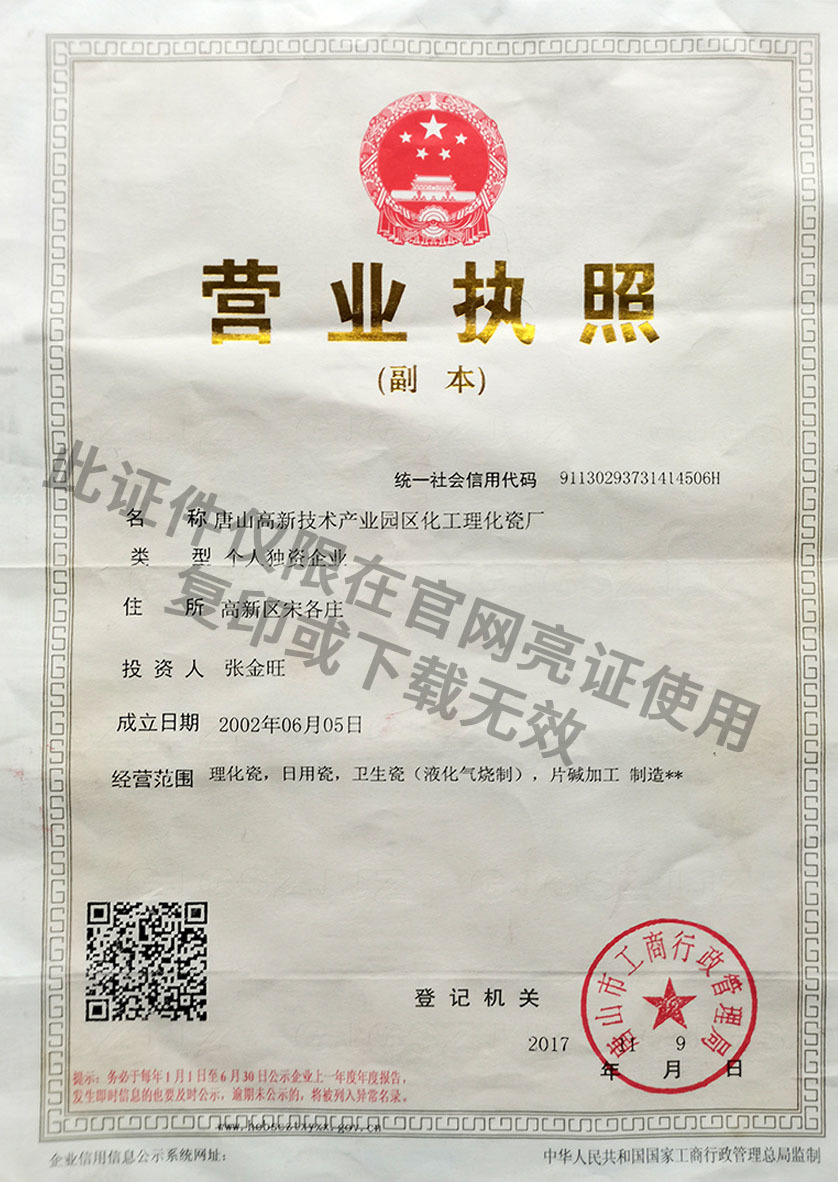
Tangshan High-tech Industrial Park Chemical Physical and Chemical Porcelain Factory
Tangshan Physical and Chemical Ceramics Co., Ltd.
Address: Songgezhuang Chemical and Physical Porcelain Factory, Tangshan High-tech Industrial Development Zone
Telephone: +86-315-5509570 、 +86-315-5509222
Mobile: +86-13903372399 、+86-13832559317
Email: tshglhcc@163.com


Product Center
Follow Us

Online Consultation
If you have any needs, please leave a message, and we will contact you as soon as possible.