Manufacturing process of porcelain crucible manufacturers
2023-05-23
Porcelain crucibles are important laboratory apparatus widely used in chemistry, metallurgy, ceramics, and medicine. To ensure high quality and durability, porcelain crucible manufacturers employ a series of refined processes during production.
First, selecting suitable raw materials is fundamental to manufacturing high-quality porcelain crucibles. The main raw materials are kaolin and quartz sand, both requiring multiple processes such as screening and cleaning before use. Kaolin, the primary raw material, requires high aluminum content, low sintering temperature, and stable physical properties. Quartz sand acts as a flux, lowering the sintering temperature and improving the crucible's strength and density.
Before manufacturing, manufacturers select and proportion materials. Generally, porcelain crucibles are made from a mixture of clay, quartz, feldspar, and kaolin. These raw materials are mixed and screened in specific proportions to ensure quality and performance.
Next, the mixed raw materials undergo wet pulverization and screening to produce suitable crucible powder. This process, usually done by specialized powder equipment, ensures uniformity and fineness.
Then, manufacturers use forming equipment to shape the powder. Forming methods include manual and mechanical methods. Manual forming is a traditional pottery technique where artisans shape the powder by hand. Mechanical forming uses advanced equipment and processes for mass production of crucibles with consistent shape and size.
After forming, crucibles are dried and fired. This is a crucial step affecting quality and performance. High-temperature firing provides high strength, corrosion resistance, and high-temperature resistance. Firing temperatures generally exceed 1000℃, with firing times adjusted based on material and shape. Post-processing includes polishing and cleaning to ensure a smooth surface, removing impurities and residues for quality and reliability.
In summary, porcelain crucible manufacturing involves multiple complex processes and refined handling. Only advanced equipment, processes, strict quality control, and skilled personnel can produce high-quality crucibles. Manufacturing high-quality porcelain crucibles requires multiple complex processes. Manufacturers need advanced equipment and technology, as well as a strict quality control system to produce crucibles meeting customer needs and industry standards.
Recommended news
2026-05-23
2026-04-08
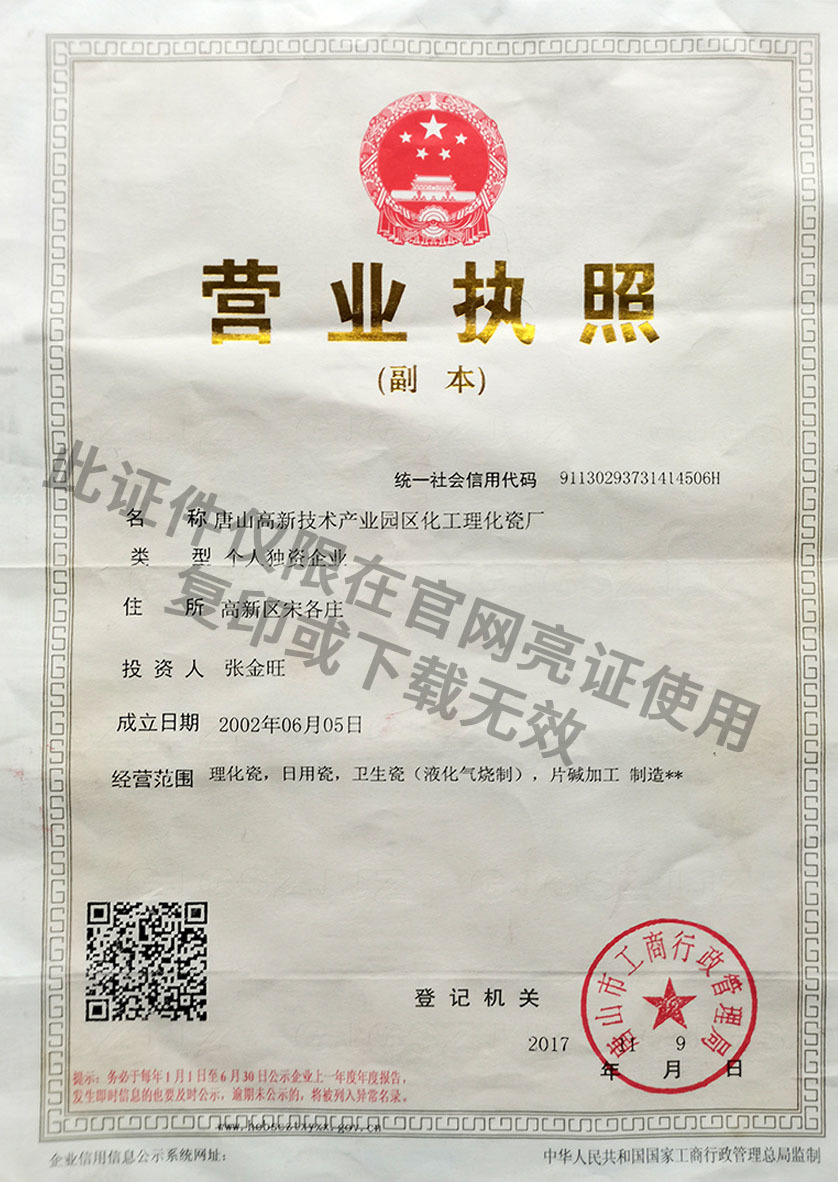
Tangshan High-tech Industrial Park Chemical Physical and Chemical Porcelain Factory
Tangshan Physical and Chemical Ceramics Co., Ltd.
Address: Songgezhuang Chemical and Physical Porcelain Factory, Tangshan High-tech Industrial Development Zone
Telephone: +86-315-5509570 、 +86-315-5509222
Mobile: +86-13903372399 、+86-13832559317
Email: tshglhcc@163.com


Product Center
Follow Us

Online Consultation
If you have any needs, please leave a message, and we will contact you as soon as possible.