Sapphire crucible manufacturer: Technical characteristics of ceramic crucibles
2021-07-23
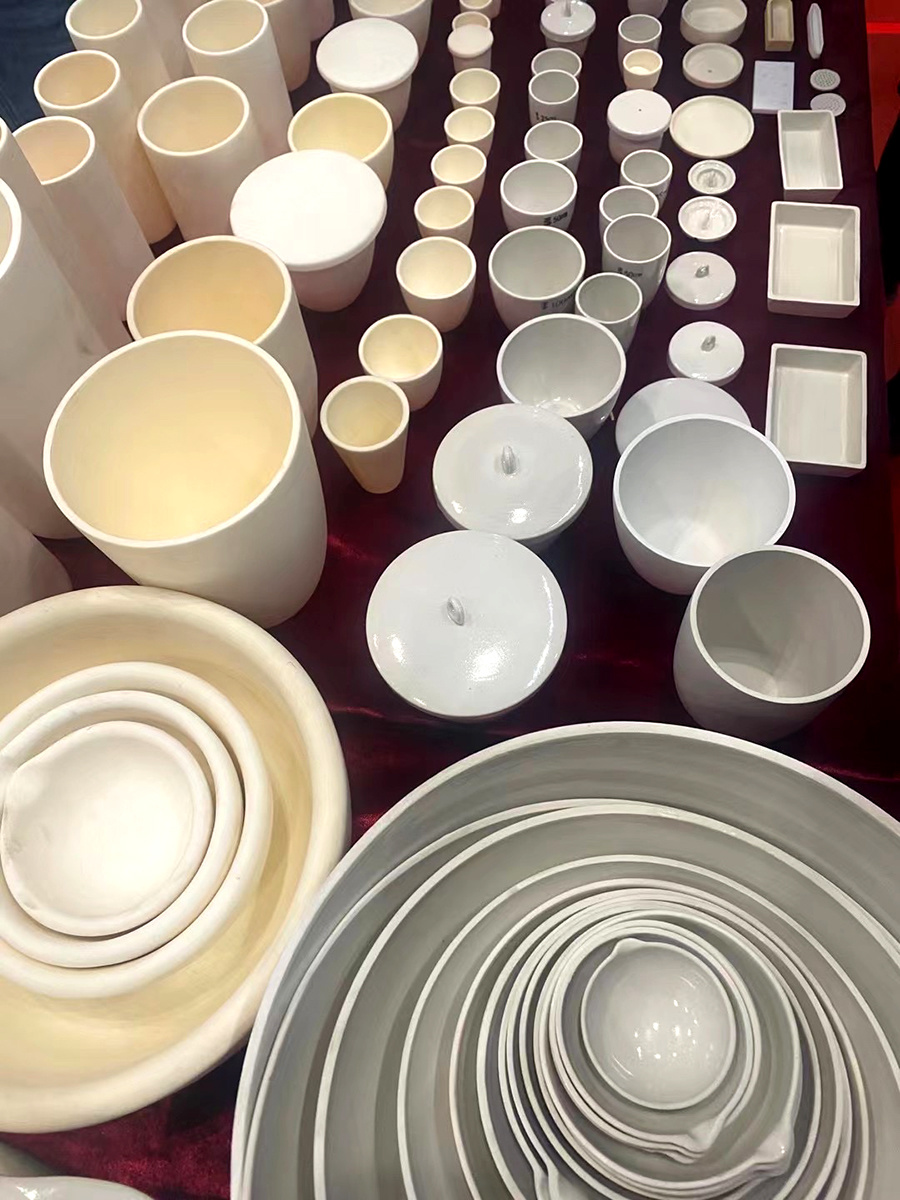
1、 Ceramic crucible Injection molding appearance
Injection molding shaping technology features: shaping, easy for complex parts, automation and mass production, with high dimensional accuracy and uniform microstructure. However, due to the high content of injection molding carriers, the green body needs to be depapered before sintering. Large green bodies will lead to the concentration of organic matter and the rearrangement of particles, reducing the uniformity of the green body and making it prone to cracking. Therefore, the problems urgently need to be solved when using injection molding technology at present.
2、Electrodeposition shaping of ceramic crucibles
Electrophoretic deposition is a method that uses a direct current electric field to promote the movement of charged particles and deposit them on the electrode with opposite polarity for shaping. During the deposition process, due to the effect of electrophoretic migration, the distance between particles is shortened, and the attraction plays a major role. The stable dispersibility of the slurry begins to disappear, and the powder particles gradually accumulate on the electrode. Electrophoretic deposition consists of two continuous processes: particle electrophoretic migration and electrode discharge deposition. The ceramic slurry should have good dispersibility so that the particles are not affected by other charged particles and precipitate on the electrode separately.
Electrophoretic deposition is simple, flexible, and highly reliable. It is a suitable shaping method for multilayer ceramic capacitors, sensors, and gradient functional ceramics, but it is more sensitive to changes in process parameters.
3、 Ceramic crucible Centrifugal casting shaping
Electrophoretic deposition is a method that uses a direct current electric field to promote the movement of charged particles and deposit them on the electrode with opposite polarity for shaping. During the deposition process, due to the effect of electrophoretic migration, the distance between particles is shortened, and the attraction plays a major role. The stable dispersibility of the slurry begins to disappear, and the powder particles gradually accumulate on the electrode. Electrophoretic deposition consists of two continuous processes: particle electrophoretic migration and electrode discharge deposition. The ceramic slurry should have good dispersibility so that the particles are not affected by other charged particles and precipitate on the electrode separately. Electrophoretic deposition is simple, flexible, and highly reliable. It is a suitable shaping method for multilayer ceramic capacitors, sensors, and gradient functional ceramics, but it is more sensitive to changes in process parameters.
4、Centrifugal deposition shaping of ceramic crucibles
Centrifugal deposition molding is a method for preparing plate-like and layered nano-multilayer composite materials. Different slurries are uniformly stacked layer by layer under the action of centrifugal force. Depending on the size or mass of the particles, materials of different properties may be deposited in each layer.
The layered materials molded using centrifugal deposition have the following characteristics:
(1) By depositing different materials, the toughness of the material can be improved.
(2) The deposited layers can be a combination of electricity, magnetism, and light, with multi-functionality.
(3) Anisotropic new materials can be manufactured.
5、 Ceramic crucible Plastic appearance
New molding technology combines traditional slurry technology with polymer chemistry. Polymer network polymerization causes ceramic particles to aggregate together to form a ceramic blank. After adding vinyl organic monomers to the suspension medium and injecting them into the ceramic slurry using a catalyst and initiator, the monomers undergo in-situ polymerization to solidify into a ceramic blank. Gel casting is a practical technology with the advantages of good uniformity of the molded green body, high strength of the molded green body, and direct processing to obtain the appropriate size. In addition, the shrinkage after firing is small, which is suitable for shaping with the correct size. Ceramic colloidal injection molding solves two important technologies: rapid in-situ hardening of concentrated ceramic suspensions and controllability of the injection process. In-depth research shows that pressure rapidly induces in-situ solidification of concentrated ceramic suspensions, and a pressure-induced ceramic molding technology has been invented.
Colloidal injection molding technology features: high-density, high-uniformity, and high-strength ceramic embryos can be obtained. This shaping technology can remove the agglomerates of ceramic powder particles, reduce the deformation and cracks of complex-shaped parts during sintering, thereby reducing the amount of processing of back parts and obtaining highly reliable ceramic materials and parts. The process has no size and thickness limitations on the shaped body, preventing the difficulty of excretion caused by the use of a large amount of organic matter in traditional ceramic injection molding, making colloidal molding suitable for large-scale production and a core technology for ceramic industrialization. Nowadays, various ceramic molding technologies are emerging, but each has its own advantages and disadvantages. When producing, the performance and use aspects of the material should be considered to determine the molding technology to be used to produce high-performance ceramic products.
Our company is a manufacturer of corundum crucibles, mainly producing alumina boats, Ceramic crucible high-temperature crucibles, etc. Please contact us if you need them.
Recommended news
2026-05-23
2026-04-08
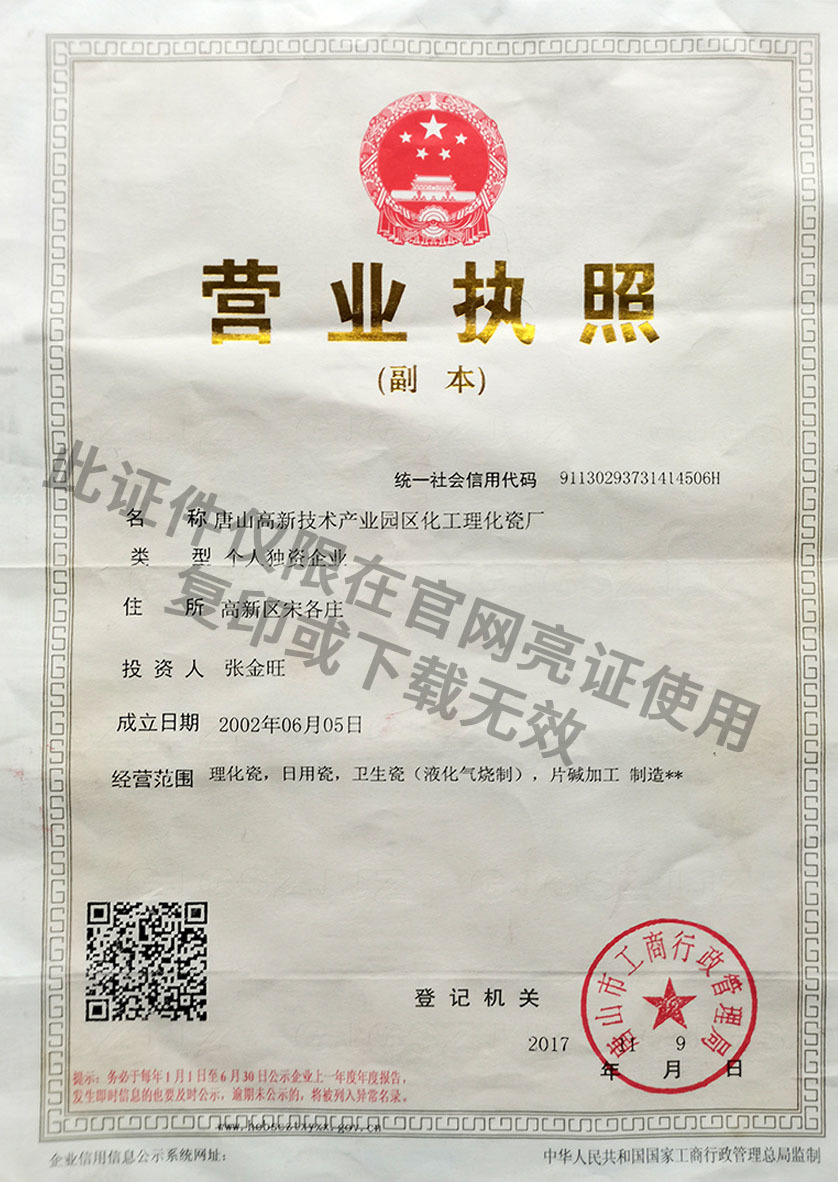
Tangshan High-tech Industrial Park Chemical Physical and Chemical Porcelain Factory
Tangshan Physical and Chemical Ceramics Co., Ltd.
Address: Songgezhuang Chemical and Physical Porcelain Factory, Tangshan High-tech Industrial Development Zone
Telephone: +86-315-5509570 、 +86-315-5509222
Mobile: +86-13903372399 、+86-13832559317
Email: tshglhcc@163.com


Product Center
Follow Us

Online Consultation
If you have any needs, please leave a message, and we will contact you as soon as possible.