Key points for using high-temperature ceramics?
2022-12-22
High-temperature ceramics have a wide range of applications. Before use, it is essential to understand the key points of using high-temperature ceramics to better utilize them. If you are interested in this topic, let's take a look together, hoping to provide help to relevant personnel.
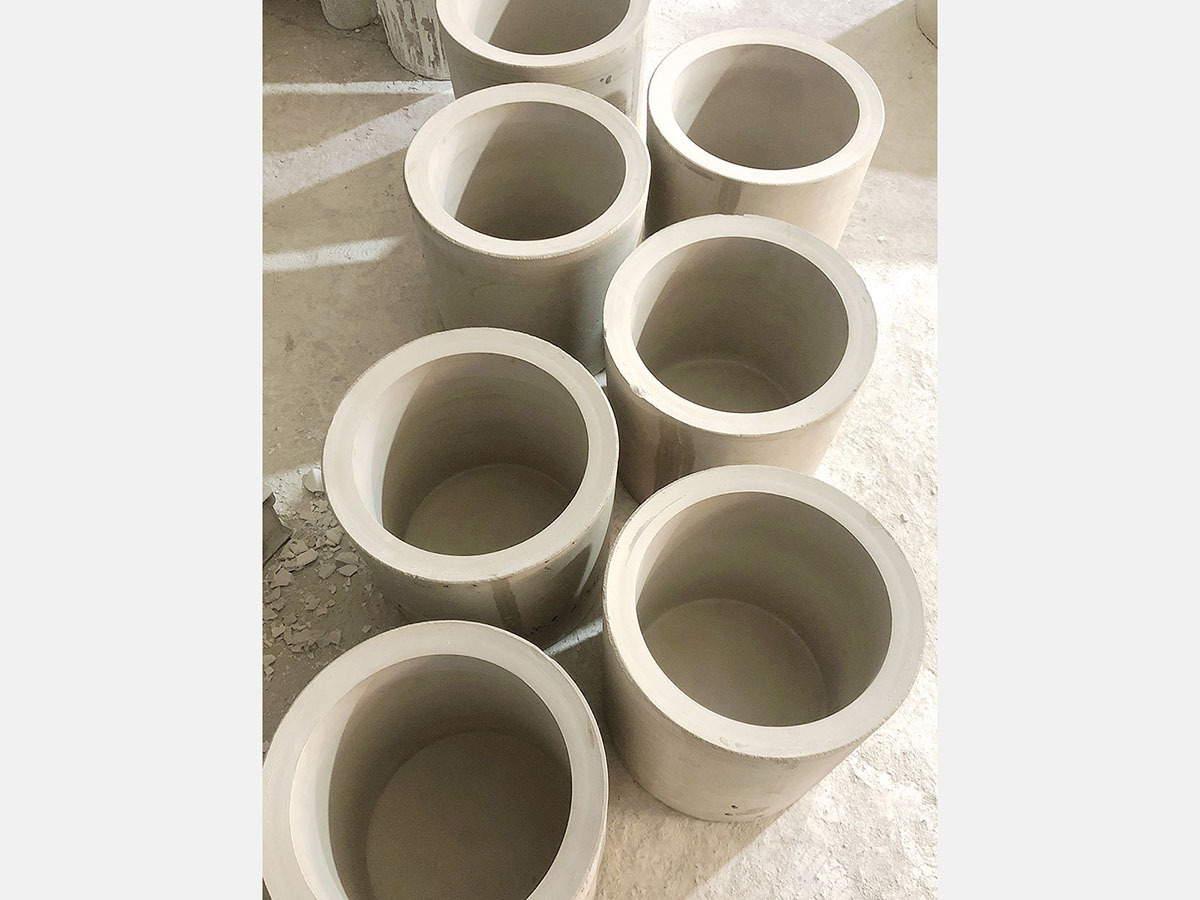
High-temperature ceramics are widely used in various industries, so their uses are quite extensive. Simply put, high-temperature ceramics are generally made of zirconia and represent relatively advanced technology in the industry. First, they are easier to clean, have good fire resistance, will not melt, fall, or explode, and can maintain stability for a long time, making them very stable. In fact, this product is a promising high-temperature structural material with a high melting point, suitable for use as high-quality refractory materials such as kilns and high-temperature furnace tubes. Laboratories can produce large aluminum corundum ball mills; the grinding hardness is lower than that of the material itself. Using high-purity raw materials and advanced processes, alumina ceramics can also be made transparent, enabling the manufacture of high-pressure sodium lamps. High-temperature ceramics are also an important structural material. Since we use it, we should know that it is a super-hard material with characteristics such as low density, self-lubrication, wear resistance, and non-reactivity with inorganic acids except hydrofluoric acid. High-temperature oxidation resistance. Among materials, there is a type called structural materials, mainly composed of mechanical properties such as strength, hardness, and toughness.
High-temperature ceramics have been widely used as structural materials, but because metals are easily corroded and oxidized at high temperatures, they are not suitable for use at high temperatures. The emergence of high-temperature structural materials compensates for the shortcomings of weak metal materials. This material is high-temperature resistant. In fact, this product is completely resistant to oxidation and acid-base corrosion during use. It has advantages such as high hardness, wear resistance, and low density. High-temperature ceramics are a type of high-temperature structural material, very suitable. However, the thickness of this ceramic should meet the standard. This method can both play a substantial role and prevent air-charged armor-piercing projectiles and armor-piercing projectiles, meeting economic requirements. In comparison, the effect is significantly better than traditional steel armor. However, the thickness of this ceramic should meet the standard. This method can both play a substantial role and prevent air-charged armor-piercing projectiles and armor-piercing projectiles, meeting economic requirements. In comparison, the effect is significantly better than traditional steel armor. The above is the basic role of high-temperature ceramics in the military field. As our factory's main product, we thank our new and old customers for their strong support. While ensuring the reliability of product quality, we benefit our customers. If you have any technical questions about the product, you can consult us at any time.
After the introduction of the above content, we have also understood the key points of using high-temperature ceramics. Other knowledge points will continue to be updated in the next issue. If you have time, remember to come and watch. There are customer service staff here 24 hours a day to serve you.
Recommended news
2026-05-23
2026-04-08
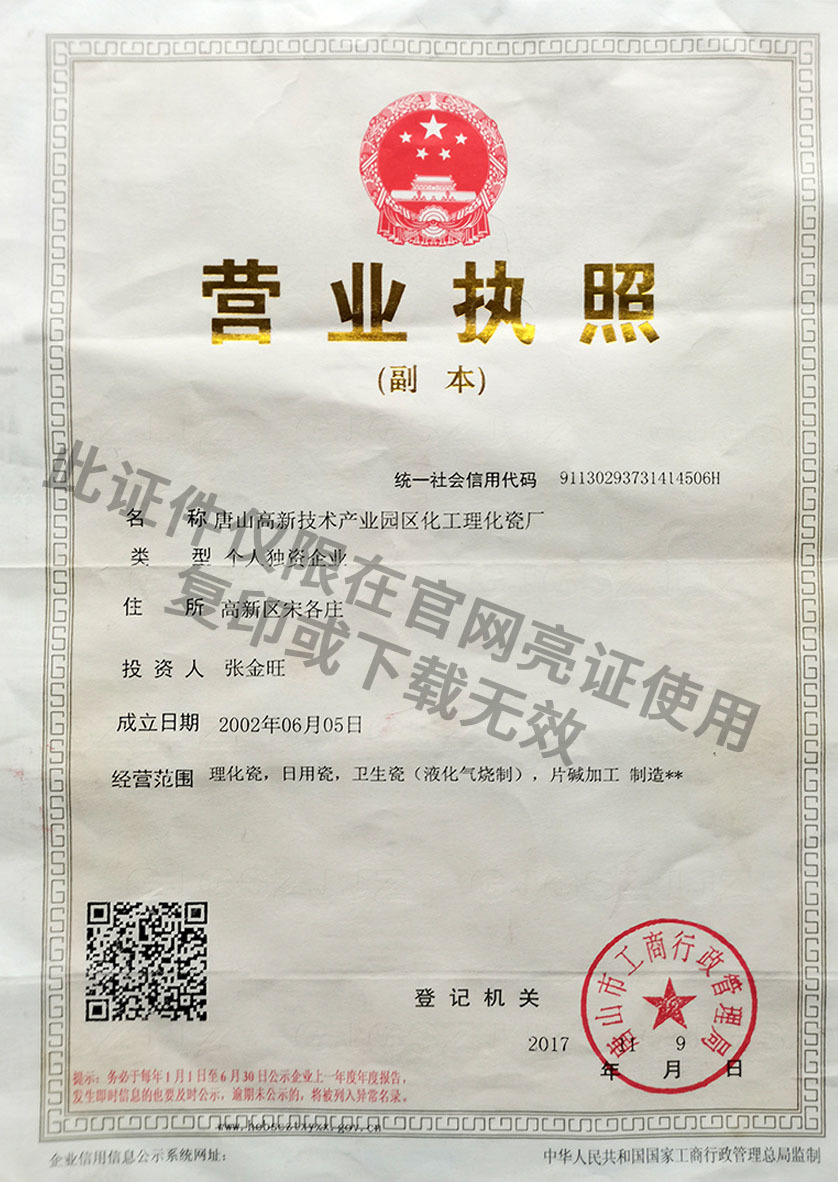
Tangshan High-tech Industrial Park Chemical Physical and Chemical Porcelain Factory
Tangshan Physical and Chemical Ceramics Co., Ltd.
Address: Songgezhuang Chemical and Physical Porcelain Factory, Tangshan High-tech Industrial Development Zone
Telephone: +86-315-5509570 、 +86-315-5509222
Mobile: +86-13903372399 、+86-13832559317
Email: tshglhcc@163.com


Product Center
Follow Us

Online Consultation
If you have any needs, please leave a message, and we will contact you as soon as possible.