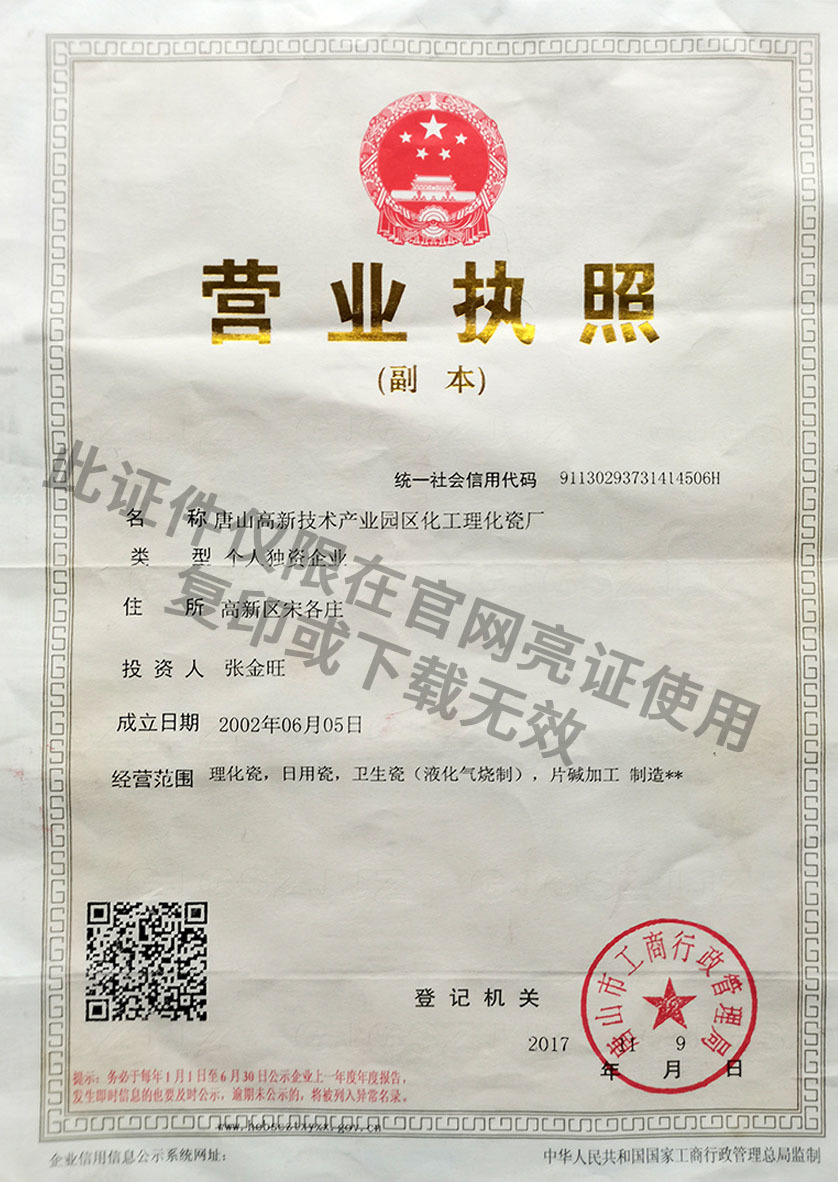
Types and characteristics of crucibles, explained by a porcelain crucible manufacturer
2022-05-25
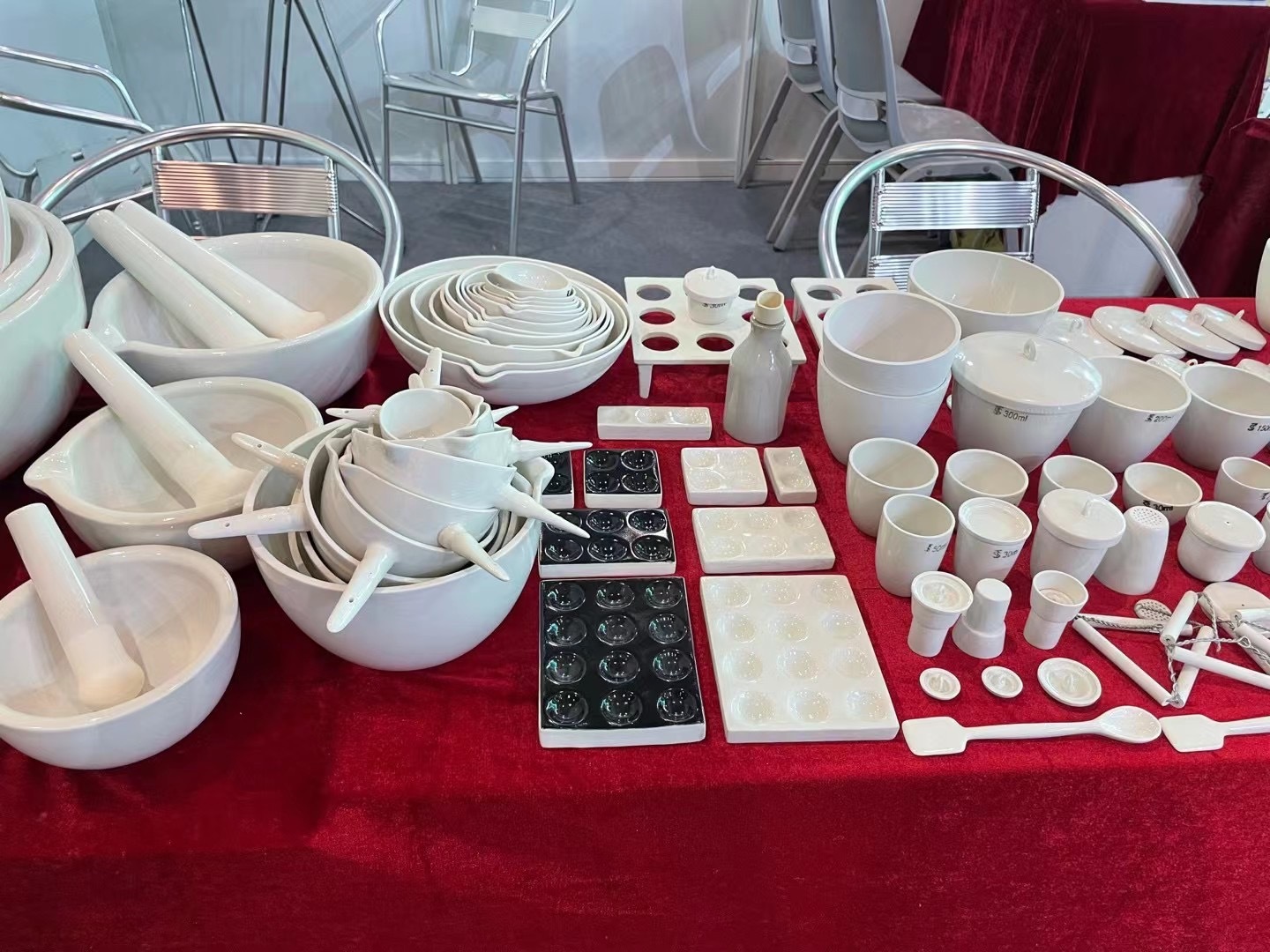
Porcelain crucible manufacturer Consider Crucibles are an important component of chemical instruments. They are containers for melting and refining metal liquids and solid-liquid heating reactions, and are the basis for ensuring that chemical reactions proceed smoothly. Crucibles come in various models and specifications, with strong applicability, ensuring the purity of the melted materials. However, in the laboratory, special attention must be paid during use, according to the characteristics of different crucibles.
Porcelain crucible manufacturer Consider Characteristics of platinum crucibles:
1. Platinum is a precious metal with a melting point of approximately 1770 degrees. It is relatively soft and easily deformed. Be careful not to cause scratches, and especially do not quench in cold water.
2 Porcelain crucible manufacturer Consider Heating and combustion of platinum crucibles should be carried out in an electric furnace or on an electric hot plate with asbestos or ceramic plates, or in an oxidizing flame of a gas lamp. It should not come into contact with electric furnace wires, iron plates, or reducing flames, because at high temperatures, iron easily forms alloys with platinum, and reducing gases can form platinum carbide with platinum, making the platinum crucible brittle.
3. At high temperatures, it is easily reduced by the carbon of filter paper or the reducing gases of fire filler into corresponding metal and non-metal elements, forming alloys or compounds with platinum, thereby damaging the platinum crucible.
4. Mixtures of halogens and substances that can precipitate halogens (such as aqua regia, hydrochloric acid, and some oxidizing agents) will corrode platinum crucibles.
5. Alkali metal oxides, hydroxides, nitrates, barium oxide, etc. will corrode platinum crucibles when melted at high temperatures.
6. Samples of unknown composition cannot be heated or melted using platinum crucibles.
7. The inner and outer walls of the platinum crucible should always be kept clean and bright.
8. A hot platinum crucible should be held with platinum crucible tongs.
9. Porcelain crucible manufacturer Consider When a platinum crucible is deformed, it can be placed on a wooden board and rolled, while pressing the inner wall of the crucible with a horn spoon to reshape it.
Porcelain crucible manufacturer Consider Characteristics of nickel crucibles:
1. The melting point of nickel is 1455 degrees, and nickel has strong alkali resistance and corrosion resistance.
2. The melting temperature of nickel crucibles cannot exceed 700 degrees, because at high temperatures, nickel is easily oxidized.
3. Nickel crucibles cannot be used for igniting precipitates.
4. Porcelain crucible manufacturer Consider Nickel crucibles are suitable for using alkaline solvents such as NaOH to melt samples, but not for using acidic solvents such as KHSO4 and alkaline sulfide fluxes containing sulfur to melt samples.
5. Molten metal salts such as aluminum, zinc, lead, tin, and mercury will make nickel crucibles brittle. Borax cannot be melted in nickel crucibles.
6. Nickel crucibles often contain trace amounts of chromium, which should be noted during use.
7. New nickel crucibles should be fired to a bluish-purple color in a muffle furnace to remove surface oil stains, then boiled in 1:20 HCl for a period of time, and then rinsed with water.
Porcelain crucible manufacturer Consider Characteristics of iron crucibles:
1. The melting point of iron is 1300 degrees.
2. Iron crucibles should be passivated before use.
3. Porcelain crucible manufacturer Consider The rules for using iron crucibles are the same as for nickel crucibles. Because iron crucibles are relatively inexpensive, they are more suitable for use when the presence of iron does not affect the analysis work.
4. Clean the iron crucible with cold dilute hydrochloric acid.
Recommended news
2026-05-23
2026-04-08
Tangshan High-tech Industrial Park Chemical Physical and Chemical Porcelain Factory
Tangshan Physical and Chemical Ceramics Co., Ltd.
Address: Songgezhuang Chemical and Physical Porcelain Factory, Tangshan High-tech Industrial Development Zone
Telephone: +86-315-5509570 、 +86-315-5509222
Mobile: +86-13903372399 、+86-13832559317
Email: tshglhcc@163.com


Product Center
Follow Us

Online Consultation
If you have any needs, please leave a message, and we will contact you as soon as possible.