What is the difference between precision ceramics and industrial ceramics?
2022-05-06
The raw materials for precision ceramics are inorganic solid powders, with parameters such as purity, particle size, and particle distribution well controlled. The raw materials, formulated according to function, are further mixed with a binder. Through precision molding and initial processing, they are made into the specified shape and fired in a controlled kiln. During firing, the moisture and binder contained in the raw materials are removed. Through further heating, the powder particles fuse at a temperature below the melting point, reducing voids and completing sintering to form a dense, very hard product. Precision ceramics are characterized by their heat resistance, wear resistance, corrosion resistance, good electrical insulation, and also good optical or electrical properties.
Precision ceramic materials have the following industrial applications:
(1) Used to improve the mechanical strength of ceramic materials
(2) Used to improve the superplasticity of ceramic materials
(3) Used in the preparation of electronics
(4) Used in the preparation of ceramic cutting tools
Industrial Ceramics Refers to ceramics used in various industries. A brief overview from several aspects:
(1) Chemical Ceramics: Used for acid-resistant containers, pipes, towers, pumps, valves, etc., in various chemical industries.
(2) Chemical Porcelain: Used for porcelain crucibles, combustion boats, etc., in chemical laboratories.
(3) Electrical Porcelain: Used as insulators in high and low voltage power transmission lines in the power industry; bushings for motors, supporting insulators, low-voltage electrical appliance and lighting insulators, as well as telecommunications insulators, radio insulators, etc.
(4) Refractory Materials: Used as refractory materials in various high-temperature industrial kilns.
(5) Special Ceramics: Special ceramic products used in various modern industries and cutting-edge scientific technologies, including high-alumina porcelain, magnesia porcelain, titania-magnesia porcelain, lithium porcelain, as well as magnetic porcelain, metal ceramics, etc.
Industrial Ceramics Precision ceramics each have their own strengths and are widely used, such as using high-hardness, high-wear-resistant ceramics to produce mechanical parts, seals, cutting tools, etc. Industrial Ceramics The main applications of precision ceramics are in the manufacture of circuit substrates, coil skeletons, electronic tube sockets, high-voltage insulating porcelain, rocket nose cones, etc. They can also be made into high-porosity precision casting cores for casting alloys, and can also be used as high-temperature materials with good shock resistance. Industrial Ceramics Adding silicon nitride and other non-metallic, non-oxide elements to precision ceramics results in wear resistance even superior to that of metal-added ceramics, while maintaining the advantages of impact resistance and high-temperature resistance. Industrial Ceramics Precision ceramics are characterized by their light weight, high hardness, low wear, and permanent color.
Recommended news
2026-05-23
2026-04-08
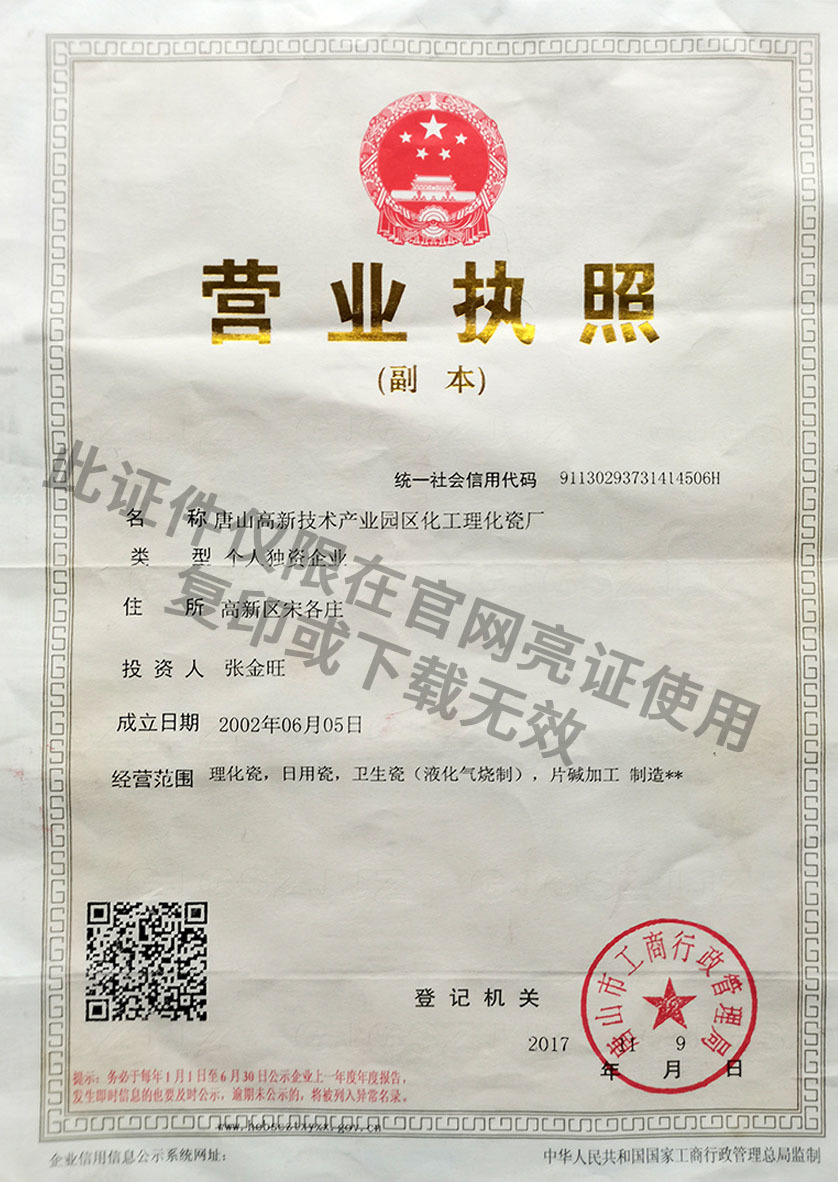
Tangshan High-tech Industrial Park Chemical Physical and Chemical Porcelain Factory
Tangshan Physical and Chemical Ceramics Co., Ltd.
Address: Songgezhuang Chemical and Physical Porcelain Factory, Tangshan High-tech Industrial Development Zone
Telephone: +86-315-5509570 、 +86-315-5509222
Mobile: +86-13903372399 、+86-13832559317
Email: tshglhcc@163.com


Product Center
Follow Us

Online Consultation
If you have any needs, please leave a message, and we will contact you as soon as possible.