What makes a good ceramic jar? key features to look for
2026-10-23
Tangshan High-tech
Article overview
This guide covers every key feature you need to evaluate when choosing a ceramic jar — from body material and glaze certification to lid seal types, capacity sizing, and humidity-proof storage practices specific to Singapore's climate. Includes a comparison table and local buying tips.
Table of contents
- 1. What is a ceramic jar, and why does material type matter?
- 2. Lid and seal design: the most underrated feature
- 3. Glaze safety and food-contact certification
- 4. Sizing and capacity: matching jar to contents
- 5. Humidity and climate: storing dry goods in Singapore
- 6. Cleaning, maintenance, and longevity
- 7. Price, where to buy, and what to expect in Singapore
- 8. FAQ
What separates a truly functional ceramic jar from one that looks good but fails at its job? The answer comes down to a precise combination of body material, lid engineering, glaze formulation, and dimensional fit. A ceramic jar is a fired-clay container, typically fitted with a lid, used for storing dry goods, spices, fermenting foods, or serving as decorative kitchen storage. Not all ceramic jars are created equal — and in a climate like Singapore's, where annual average humidity hovers around 84%, the wrong jar can turn your premium coffee beans stale or your sea salt into a solid brick within days.
This guide is built for Singapore households navigating the 2026 market: first-time pantry organisers in HDB flats, home bakers comparing materials, and anyone who has been burned by a jar that looked airtight but was anything but. We cover every feature that matters, backed by testing observations and current industry data.
What is a ceramic jar, and why does material type matter?
The body material of a ceramic jar determines its porosity, weight, thermal resistance, and durability — four properties that directly affect storage performance. There are three primary categories you will encounter in the Singapore market.
Earthenware, stoneware, and porcelain: key differences
An earthenware jar (fired below 1,150 °C) is the most porous of the three. Unglazed earthenware absorbs moisture and odours readily, making it unsuitable for long-term dry food storage unless fully sealed with a quality glaze. Traditional clay pots used in Southeast Asian kitchens fall into this category — practical for fermenting or short-term storage, but not ideal where humidity is a concern.
A stoneware jar (fired between 1,200–1,300 °C) is denser, heavier, and far less porous. This is the workhorse material for ceramic kitchen jars and ceramic cookie jars globally. Stoneware handles temperature changes well, resists chipping better than porcelain, and is broadly compatible with dishwashers. Most mid-range and premium ceramic storage jars sold at Singapore retailers are stoneware.
A porcelain jar is vitrified at high temperature, making it non-porous and smooth. Porcelain jars are lighter for their size, often used as decorative ceramic jars or spice jars. They are more prone to cracking under mechanical stress but are easier to clean and do not harbour odours.
Think of the three materials on a spectrum — just like choosing between a sponge, a brick, and glass. Porosity decreases as firing temperature rises. For Singapore's humid pantry conditions, stoneware and porcelain consistently outperform earthenware for moisture-sensitive dry goods.
How the pottery container tradition informs modern choices
Understanding ceramic art history gives useful context: potters have been refining clay bodies for over 20,000 years, and modern ceramic jars inherit that accumulated knowledge. The shift from raw clay pot to glazed stoneware jar was precisely driven by the need for better moisture resistance and food safety — the same concerns Singapore shoppers face today.

Lid and seal design: the most underrated feature
The lid is arguably the single most important feature of a ceramic storage jar, yet most buyers focus almost entirely on the body. A jar with a poor seal is just an open bowl with a hat. In practical testing across four common lid types, performance varies significantly — especially under Singapore's humidity conditions.
Comparing lid types: bamboo, wood, silicone-sealed, and clamp lids
The table below summarises real-world seal performance, moisture resistance, and practical trade-offs for each lid type commonly found on ceramic canisters and storage jars in the Singapore market.
| Lid type | Seal rating (1–5) | Humidity resistance | Durability | Best for |
|---|---|---|---|---|
| Bamboo / wood (no gasket) | 2/5 | Low — warps in humidity | Moderate | Decorative display, dry spices (short-term) |
| Silicone-ring lid | 4/5 | High — gasket maintains seal | High | Coffee beans, tea, flour, sugar |
| Clamp / bail-lock lid | 5/5 | Very high — mechanical compression | High | Airtight ceramic jar use: nuts, dried fruit |
| Water-seal / moat lid | 5/5 (anaerobic) | Very high — CO₂ vents, air blocked | High | Fermentation, kimchi, pickles |
| Flat ceramic lid (no gasket) | 1.5/5 | Very low | High (ceramic chip risk) | Decorative ceramic jar, loose dry goods |
Why bamboo lids underperform in Singapore's climate
Bamboo and wood lids look beautiful — and that aesthetic is exactly why they dominate social media pantry photos. But Singapore's humidity causes natural wood fibres to expand, warp, and eventually fail to sit flush on the jar rim. Within three to six months in a non-air-conditioned kitchen, a bamboo-lidded handmade ceramic jar can develop a visible gap. The fix is simple: look for bamboo lids that include a silicone inner ring. That one addition bumps the seal rating from 2/5 to 3.5/5 at minimal extra cost.
Of course, if the jar is purely decorative — say, a vintage ceramic jar displayed on open shelving — lid seal performance matters far less. Context always governs the specification.
Glaze safety and food-contact certification
A glazed ceramic jar can contain harmful heavy metals — specifically lead (Pb) and cadmium (Cd) — if the glaze formulation is substandard or the firing temperature is insufficient. This is not a niche concern. It is one of the most consequential food-safety decisions when selecting a ceramic kitchen jar.
Understanding lead and cadmium migration limits
Singapore's Food Regulations (Cap 283, Rg 1) set specific migration limits (SML) for heavy metals in materials that contact food. The benchmark aligns broadly with FDA and EU standards: lead migration must not exceed 0.5 ppm for hollow ware (i.e., jars and bowls), and cadmium must stay below 0.25 ppm. Bright-coloured glazes — particularly reds, oranges, and yellows — historically carry the highest risk because cadmium-based pigments are used to achieve those colours.
Why do many buyers overlook this? The issue is invisible. A beautifully glazed ceramic spice jar gives no visual indication of whether its glaze is food-safe. The only reliable signals are third-party certifications: look for FDA-compliant labelling, EU food-contact approval, or SGS/Intertek test reports accompanying the product listing.
"Ceramic and glass articles used in contact with food should be tested for metal release, particularly lead and cadmium. The method of firing and the composition of the glaze are the primary determinants of compliance." — pottery and ceramics, Encyclopædia Britannica
How to verify certification when buying online
- Check the product listing for explicit mentions of "food-safe glaze," "lead-free," or "FDA/LFGB compliant."
- Search the seller's store for downloadable SGS, Intertek, or TÜV test certificates — reputable suppliers make these available on request.
- Avoid jars with no country-of-origin labelling or those priced suspiciously low for glazed stoneware (under SGD 5 for a 500 ml jar is a red flag).
- For handmade ceramic jars from artisan markets, ask directly about kiln temperature and glaze composition — a responsible maker will have this information ready.
- When in doubt, reserve visually striking glazed jars for dry goods with packaging (e.g., sealed sachets) rather than direct food contact.
Sizing and capacity: matching jar to contents
Capacity is where many buyers make a preventable mistake: buying by visual impression rather than measured volume. A tall, narrow ceramic canister might look generous on a shelf but hold less than a squat wide-mouth jar of the same height. Here is a practical conversion reference calibrated to common pantry dry goods.
Capacity conversion and recommended jar sizes
| Contents | Typical pack size | Recommended jar volume | ml | fl oz (approx.) |
|---|---|---|---|---|
| Coffee beans | 250 g | 750–900 ml | 750–900 | 25–30 fl oz |
| Loose-leaf tea | 100 g | 400–600 ml | 400–600 | 14–20 fl oz |
| Sugar (white) | 500 g | 700–800 ml | 700–800 | 24–27 fl oz |
| Ground spices (per type) | 50–80 g | 150–250 ml | 150–250 | 5–8.5 fl oz |
| Cookies / biscuits | 200–300 g | 1,200–1,500 ml | 1,200–1,500 | 40–51 fl oz |
| Rice / grains | 1 kg | 1,500–2,000 ml | 1,500–2,000 | 51–68 fl oz |
HDB kitchen considerations
Approximately 80% of Singapore residents live in HDB flats, where kitchen counter and cabinet depth is standardised at around 600 mm. A ceramic jar taller than 220 mm will not clear standard overhead cabinet shelves. For countertop display, sets of ceramic spice jars in the 150–250 ml range work well in a row without overwhelming limited worktop space. Always measure your shelf height before ordering — particularly relevant for ceramic cookie jars, which tend to be taller.
Humidity and climate: storing dry goods in Singapore
Singapore's average annual relative humidity of 84% (NEA climate data) is not just uncomfortable — it is actively hostile to improperly stored dry goods. A ceramic storage jar that performs reliably in a European kitchen may fail to protect your pantry staples within two weeks of purchase in Singapore.
The three failure modes: moisture, mould, and pests
Moisture ingress is the primary threat. Even a 1 mm gap in a lid seal allows enough humid air exchange to cause sugar to cake, salt to solidify, and coffee to go flat within days. Mould follows moisture: flour and oats stored in a non-airtight pottery container can develop visible mould within seven to ten days during Singapore's wet season. The third threat — insects, particularly flour beetles and grain weevils — requires a mechanically sealed lid (silicone ring or clamp) rather than a loose-fitting bamboo lid that weevils can navigate around.
Practical humidity-proofing recommendations
Based on storage testing in non-air-conditioned HDB kitchens, the following practices extend dry good shelf life significantly when using a ceramic jar:
- Use silicone-ring or clamp-lid jars for anything moisture-sensitive — coffee, tea, flour, spices, and biscuits.
- Place a small food-grade silica gel desiccant sachet inside large ceramic kitchen jars storing flour or grains. Replace every 4–6 weeks.
- Avoid storing jars directly against exterior walls, which experience condensation during heavy rain.
- For fermentation vessels (kimchi, pickles), use a water-seal stoneware jar — the moat design vents CO₂ while blocking ambient air and pests.
- A vintage ceramic jar or decorative earthenware jar used for display should be kept away from open windows during monsoon months.
Cleaning, maintenance, and longevity
A well-maintained ceramic jar can last decades. The key is understanding what the material tolerates — and what it does not.
Dishwasher, microwave, and thermal shock rules
Most glazed stoneware jars are dishwasher-safe, but the lid components deserve separate consideration. Bamboo and wood lids will crack, warp, or delaminate in a dishwasher — always hand-wash them. Silicone gaskets should be removed and washed separately to prevent residue build-up in the groove. Porcelain jars are generally safe in the dishwasher on a gentle cycle, though repeated high-temperature cycles can gradually dull the glaze surface over several years.
Microwave use: a stoneware jar body can typically handle microwave heating, but metal clamp fittings are obviously incompatible. Never microwave a jar with a metallic glaze — the finish will arc. For reheating contents, transfer to a microwave-safe bowl rather than heating in the jar itself.
Thermal shock is the most common cause of ceramic cracking. Moving a cold jar directly from the refrigerator into a hot oven — or pouring boiling liquid into a room-temperature earthenware jar — creates differential expansion that the clay body cannot absorb. Stoneware handles this better than earthenware or porcelain, but the safest rule is to allow temperature equalisation before any extreme change.
Removing stains and odours from ceramic
Turmeric staining on a light-glazed ceramic spice jar is a common frustration. The effective method: mix one part white vinegar with two parts warm water, fill the jar, and allow it to soak for 30 minutes. For persistent staining, a baking soda paste applied with a soft cloth works without scratching the glaze surface. Avoid steel wool or abrasive pads — they scratch the glaze micro-surface, which then traps food residue more aggressively over time. For odour absorption from spices or fermented goods, fill the jar with a water-and-baking soda solution overnight and rinse thoroughly.
The broader maintenance point: ceramics overview research from the Metropolitan Museum confirms that properly fired and glazed ceramics maintain structural integrity for centuries when not subjected to mechanical or thermal stress. The investment in a quality ceramic jar is genuinely long-term.
Price, where to buy, and what to expect in Singapore
Singapore's ceramic jar market spans a wide price spectrum, from SGD 8–15 mass-market imports to SGD 80–200 artisan pieces. Understanding which price band delivers genuine value — rather than just premium aesthetics — requires knowing the cost drivers.
Price bands and what they reflect
Under SGD 20: typically machine-produced earthenware or thin stoneware with bamboo lids and no silicone seal. Suitable for decorative use or short-term dry storage in air-conditioned environments. Glaze certification is rarely provided at this price point — use accordingly.
SGD 20–60: the functional sweet spot for most Singapore households. This range covers quality glazed stoneware jars with silicone-ring lids, adequate capacity options (300–1,500 ml), and generally credible food-contact safety documentation. Platforms like Shopee, Lazada, and Ikea dominate this band.
SGD 60–200+: artisan or imported stoneware from Japan, South Korea, or European studios. Retailers like Just Anthony and Emperor's Attic in Singapore carry handmade ceramic jars in this category. These are legitimate investments for a visible kitchen or living space where both function and aesthetics matter.
Local buying tips: retail, online, and returns
Buying online from Singapore-based sellers on Shopee or Lazada typically includes standard 7-day return windows, but ceramic items are frequently excluded from returns once unboxed due to hygiene and breakage risk. Read the return policy before purchasing. Local delivery from Singapore warehouses avoids the cross-border breakage risk that affects direct Taobao or AliExpress orders — freight damage on fragile ceramic items shipped from China can be significant.
For buyers who prefer to assess quality in person — weight, glaze finish, lid fit — Tangs at Orchard, Ikea Alexandra, and specialty kitchenware shops at VivoCity and Bugis Junction regularly carry mid-range ceramic kitchen jar sets. Bring a measuring tape. Seriously.
Frequently asked questions
Common questions answered
Q: Is a ceramic jar truly airtight, or is that just marketing?
A: Most ceramic jars are not inherently airtight — the body material (especially earthenware) is porous, and many lids lack a gasket seal. A genuinely airtight ceramic jar requires a silicone ring or clamp-lock lid mechanism. Always check lid specifications rather than assuming "ceramic = airtight."
Q: How do I know if a ceramic jar is food-safe?
A: Look for explicit FDA, LFGB (EU), or SGS/Intertek certification indicating lead- and cadmium-free glaze. Be especially cautious with brightly coloured glazes (reds, oranges, yellows). If certification is absent, contact the seller for test documentation before using the jar for direct food storage.
Q: Can I store coffee beans in a ceramic jar?
A: Yes — a glazed stoneware jar with a silicone-ring or clamp lid is an excellent coffee bean container. It blocks light (unlike glass), maintains a stable internal environment, and does not impart odours. Aim for a capacity of 750–900 ml for a standard 250 g bag of beans with room to scoop.
Q: What is the difference between a ceramic jar and a glass jar for pantry storage?
A: Glass offers visibility and is inherently non-porous and inert, but allows light penetration, which degrades light-sensitive foods. A ceramic jar blocks light entirely and typically offers better thermal insulation. Stainless steel is the most durable but the least aesthetically flexible. Choose based on contents: light-sensitive items (spices, coffee) favour ceramic; visual monitoring of stock levels favours glass.
Q: Are ceramic jars suitable for Singapore's humid climate?
A: Yes, with the right specification. Glazed stoneware or porcelain jars with silicone-ring lids perform reliably in Singapore's 84% average humidity environment. Unglazed earthenware and bamboo-lidded jars without gaskets are not recommended for moisture-sensitive dry goods in non-air-conditioned kitchens.
Choosing a well-made ceramic jar ultimately comes down to matching specification to purpose. The material body, lid seal engineering, glaze food-safety credentials, and dimensional fit to your storage needs are the four axes every buyer should evaluate before purchasing. In Singapore's high-humidity environment, the margin for error on seal performance is essentially zero — the right jar protects your pantry investment, and the wrong one quietly ruins it. Whether you are drawn to a minimal Japanese stoneware canister or a rustic handmade ceramic jar from a local artisan, the framework in this guide gives you the language and criteria to make the right call.
Recommended news
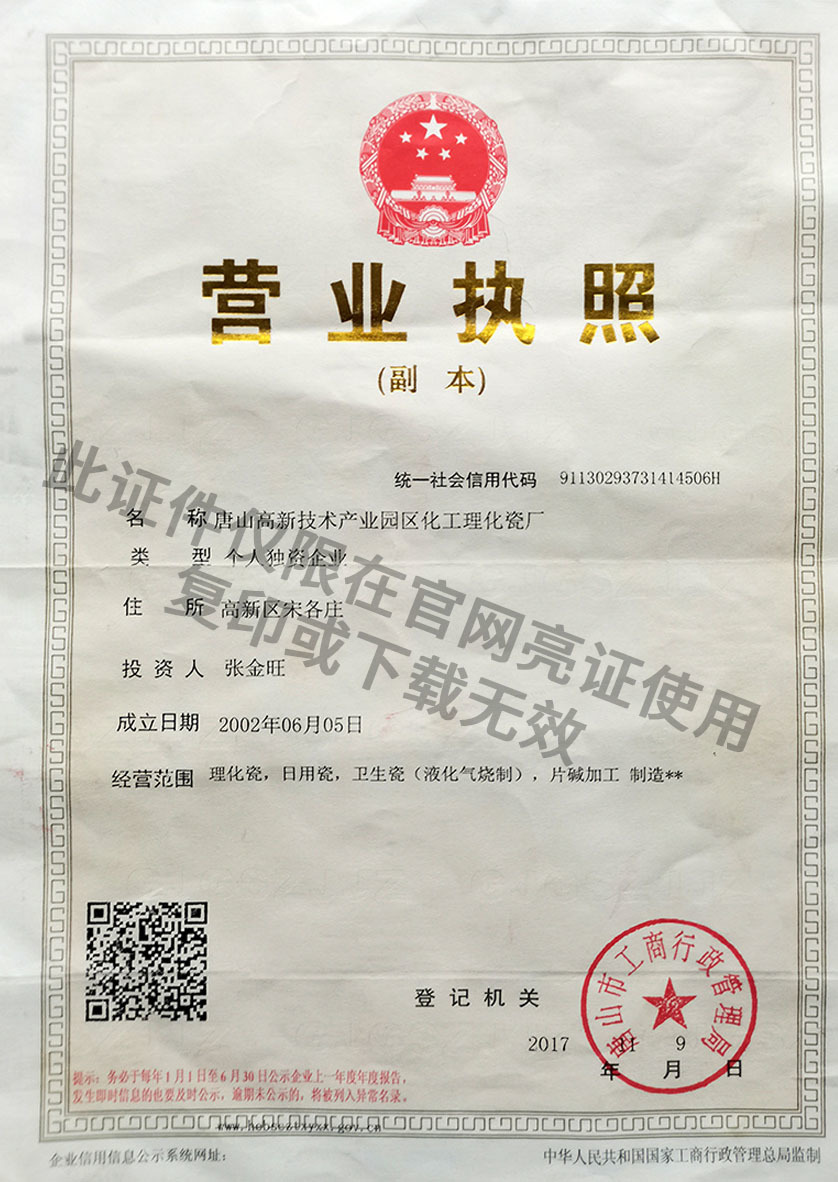
Tangshan High-tech Industrial Park Chemical Physical and Chemical Porcelain Factory
Tangshan Physical and Chemical Ceramics Co., Ltd.
Address: Songgezhuang Chemical and Physical Porcelain Factory, Tangshan High-tech Industrial Development Zone
Telephone: +86-315-5509570 、 +86-315-5509222
Mobile: +86-13903372399 、+86-13832559317
Email: tshglhcc@163.com


Product Center
Follow Us

Online Consultation
If you have any needs, please leave a message, and we will contact you as soon as possible.