2025.02.18

Selecting Refractory Ceramic Manufacturers: How to Find a Reliable Supplier?


Selection of Refractory Ceramic Manufacturers: How to Find a Reliable Supplier? Many people may feel confused when looking for refractory ceramic manufacturers, especially suppliers who produce straight crucibles. With so many options on the market, how can you find a trustworthy partner? Today, let's talk about this topic, help you clarify your thoughts, and find a reliable supplier. Why Choosing a Refractory Ceramic Manufacturer is Crucial First of all, the quality of refractory ceramics directly affects your production efficiency and product quality. Imagine that if the straight crucible you use has insufficient heat resistance, it may crack during high-temperature operation, which will not only cause losses but also affect the work progress. Therefore, choosing an excellent manufacturer is crucial. Moreover, refractory ceramics are widely used in various fields, from metal smelting to glass manufacturing, and even in laboratories. The requirements for crucibles may vary in each industry, so you need to find a manufacturer that can meet your specific needs. Key Factors in Selecting Refractory Ceramic Manufacturers When selecting refractory ceramic manufacturers, several key factors need to be considered: 1. Product Quality Quality is the primary factor. You need to confirm the raw materials, production processes, and quality control procedures of the final products used by the manufacturer. For example,

2025.01.29

Laboratory safety operation: Correct use of corundum crucible to avoid experimental accidents


Laboratory Safety Operation: Correct Use of Alumina Crucibles to Avoid Experimental Accidents In modern laboratories, various ceramic consumables have become indispensable tools. Alumina crucibles, in particular, are widely used in experiments such as metal smelting and chemical reactions due to their excellent high-temperature resistance and chemical stability. However, although alumina crucibles are powerful, improper use can also lead to experimental accidents. So, how to correctly use these laboratory ceramic consumables? 1. Understanding the characteristics of alumina crucibles First, we need to understand the characteristics of alumina crucibles. Alumina crucibles are made of alumina (also known as aluminum oxide), a material that is resistant to high temperatures and can typically withstand temperatures up to 1600 degrees Celsius. It not only has good thermal conductivity, but also has good resistance to a variety of acidic and alkaline chemicals. Therefore, alumina crucibles perform particularly well in some high-temperature and corrosive environments. However, its brittleness cannot be ignored; a slight carelessness may cause the crucible to break, resulting in experimental accidents. 2. Preparation before use Before using the alumina crucible, sufficient preparation is crucial. First, ensure that your laboratory environment is clean and orderly, and all laboratory ceramic consumables should be placed in appropriate locations. Check the alumina crucible for

2025.01.19

Material properties of high-purity ceramic tubes and their applications in the chemical industry


Material Properties and Chemical Industry Applications of High-Purity Ceramic Tubes In the chemical industry, the selection of laboratory ceramic consumables is crucial. Have you ever wondered why some materials remain stable under high temperatures and corrosive environments? Today, let's discuss high-purity ceramic tubes, examining their material properties and wide-ranging applications in the chemical industry. Basic Properties of High-Purity Ceramic Tubes High-purity ceramic tubes, as the name suggests, are ceramic tubes made from high-purity materials. The main characteristics of these ceramic tubes are their high-temperature resistance, corrosion resistance, and excellent mechanical strength. Imagine a chemical laboratory as a volcano, potentially erupting with high temperatures and corrosive substances at any moment. High-purity ceramic tubes act as protectors, enabling safe experimentation in such environments. Firstly, the high-temperature resistance of high-purity ceramic tubes is one of their most prominent characteristics. Many chemical reactions require extremely high temperatures, which ordinary materials often cannot withstand. This is where high-purity ceramic tubes excel. They can operate at temperatures as high as 1600 degrees Celsius while maintaining structural integrity and without deformation. Now let's consider corrosion resistance. In chemical experiments, the presence of various acidic and alkaline solutions is commonplace. Many materials deteriorate in such environments,

2025.01.09

Chemical ceramic manufacturing: How to improve production efficiency and ensure product quality?


Chemical Ceramic Manufacturing: How to Improve Production Efficiency and Ensure Product Quality? In today's competitive market, the chemical ceramic manufacturing industry is no longer a simple production process. We face the dual challenge of improving production efficiency while ensuring product quality. Imagine yourself in a fast-paced factory, with machines roaring and workers bustling, where every product must strike a perfect balance between quality and efficiency. This balance is particularly important in the manufacturing of laboratory ceramic consumables. ## Key Factors in Improving Production Efficiency First, to improve production efficiency, attention must be paid to the optimization of the production process. Have you ever considered why some factories can produce a large number of high-quality products in a short time, while others are always lagging behind? The key lies in the refined management of every link in the process. For example, the use of advanced production management software can track production progress, inventory status, and equipment operation status in real time. This is like a precise clock, where every gear must run smoothly. In addition, automated production equipment is another powerful tool for improving efficiency. Imagine that if robotic automation equipment could be introduced into the production of laboratory ceramic consumables, it would not only reduce labor costs

< 1...345...33 >

Contact Us

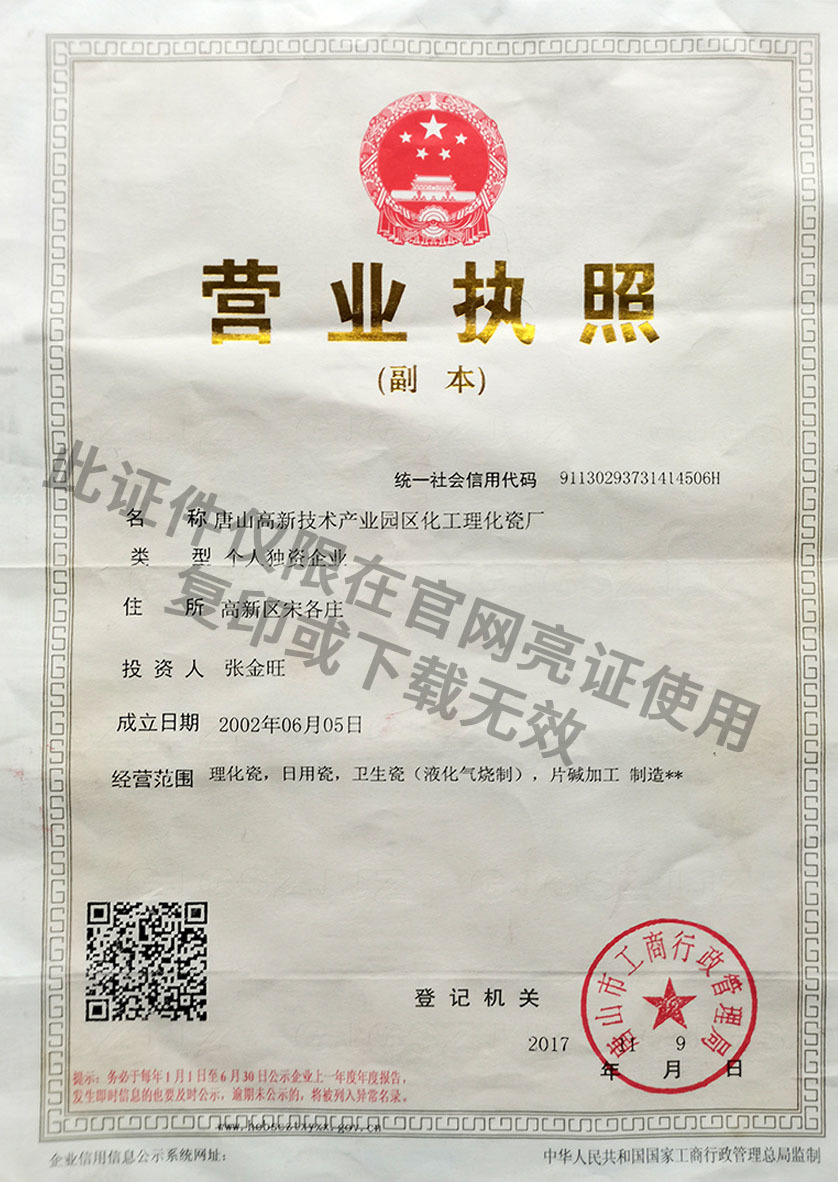
Address: Songgezhuang Chemical and Physical Porcelain Factory, Tangshan High-tech Industrial Development Zone

Telephone: +86-315-5509570 、 +86-315-5509222 

Mobile: +86-13903372399 、+86-13832559317 

Email: tshglhcc@163.com